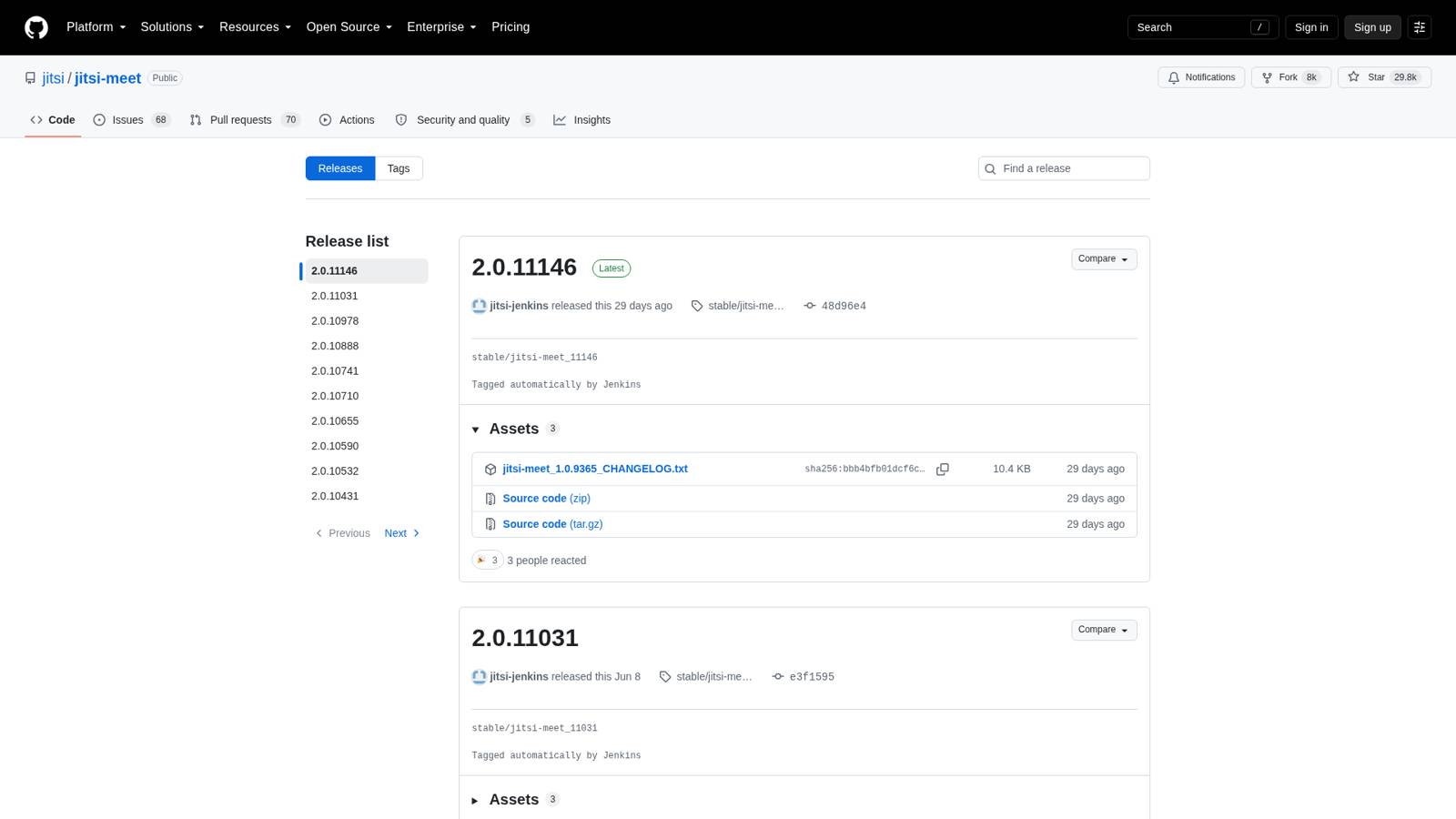
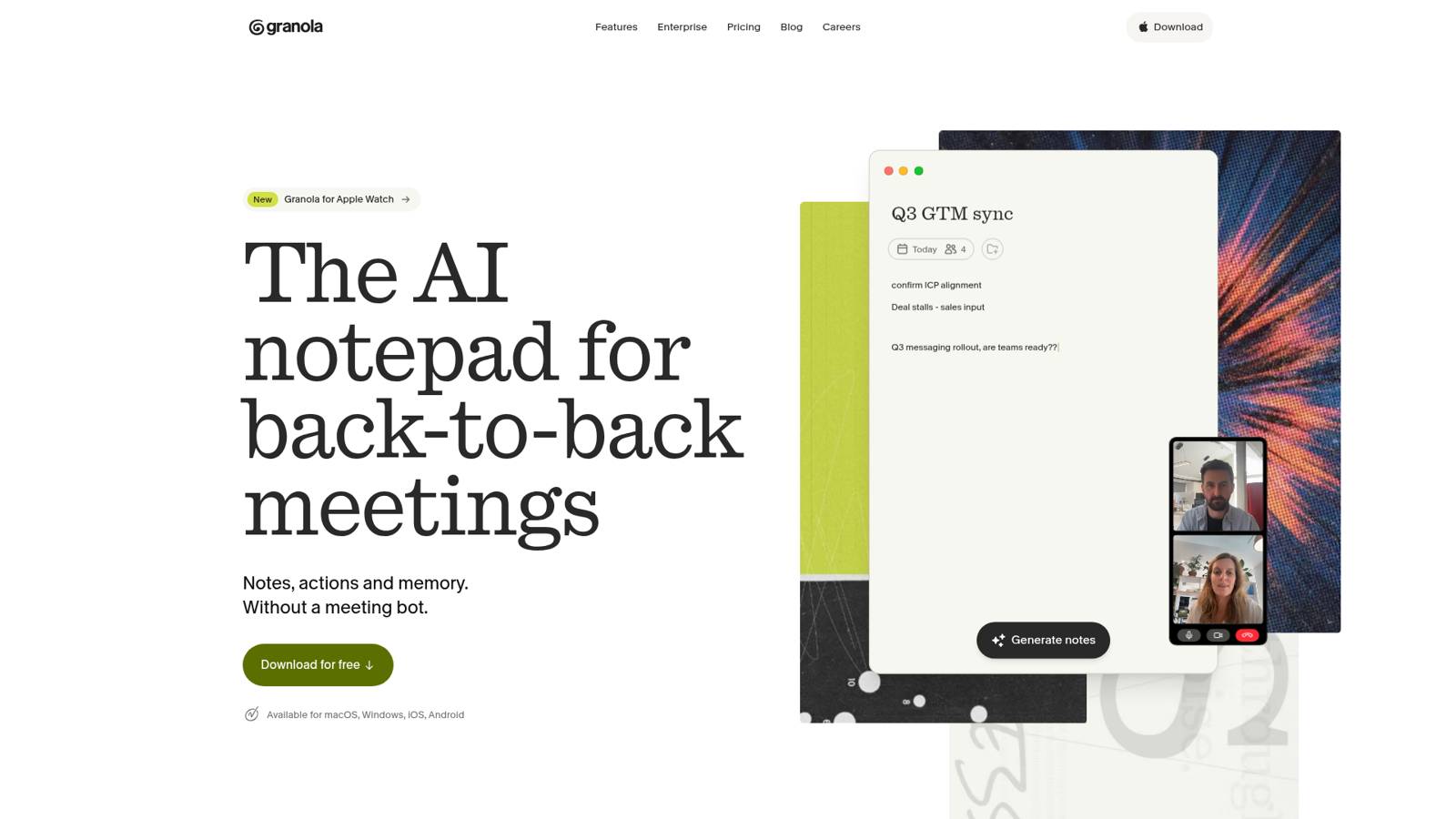
Granola
But:
It's not that it sits in on the meetings.
The big issue is that it sends your meetings to their servers.
Your lawsuit strategy is on their servers.
Your private information is on their servers.
But:
It's not that it sits in on the meetings.
The big issue is that it sends your meetings to their servers.
Your lawsuit strategy is on their servers.
Your private information is on their servers.
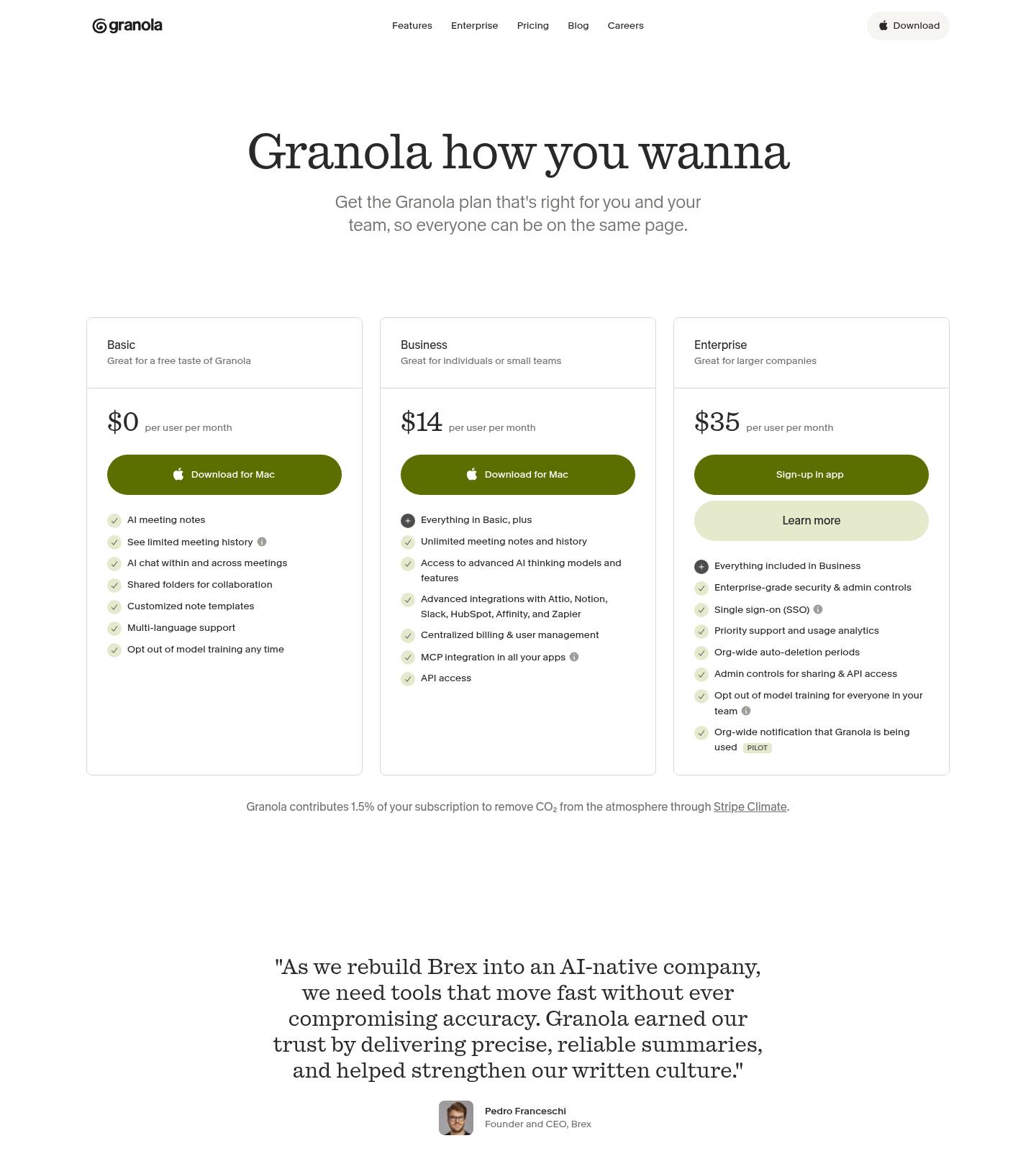
And Granola gets expensive.
A guy I met got frustrated with the fees and lack of customization.
He created his own local meeting notetaker.
Then he shared it on GitHub so you could use it.
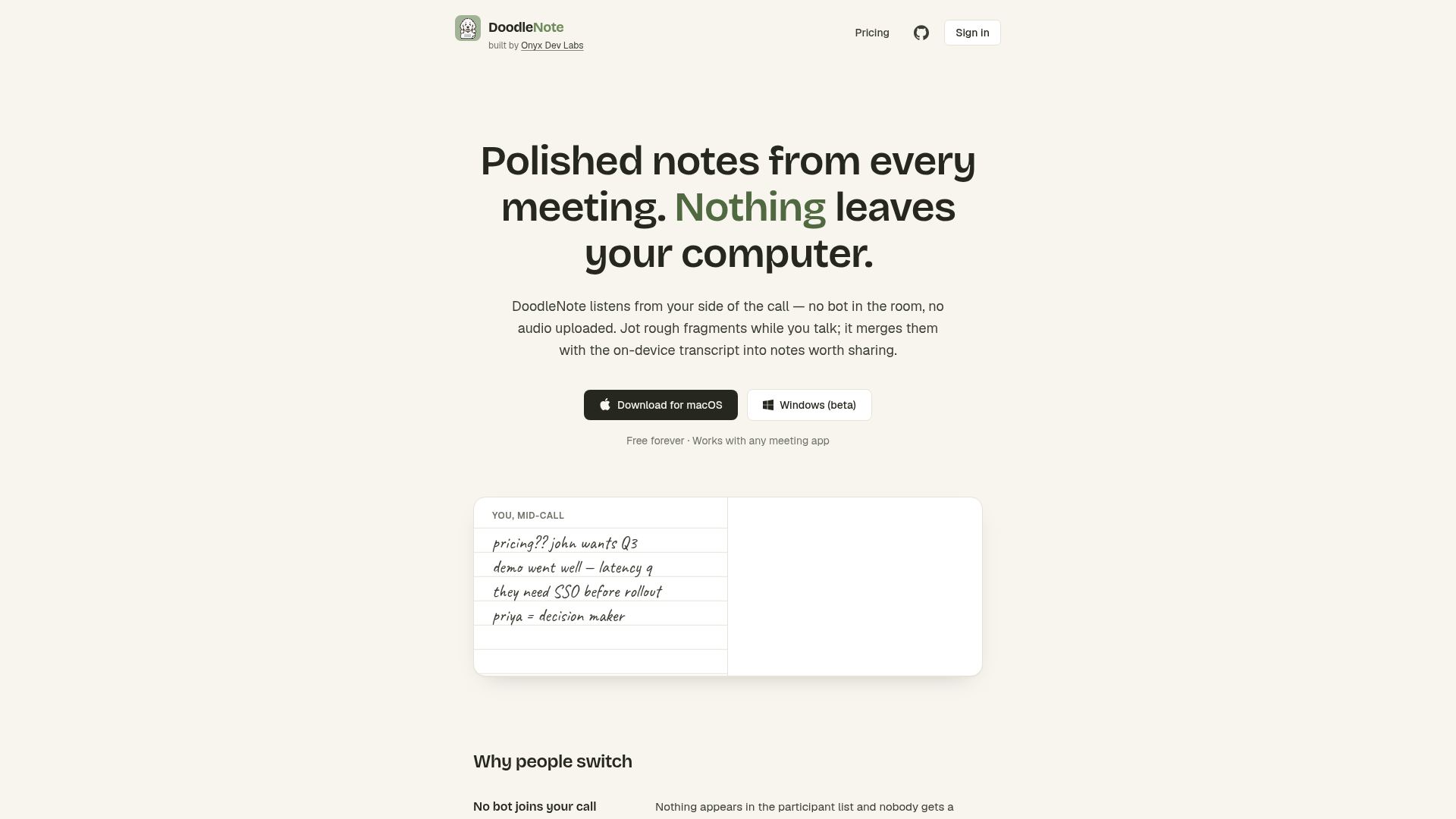
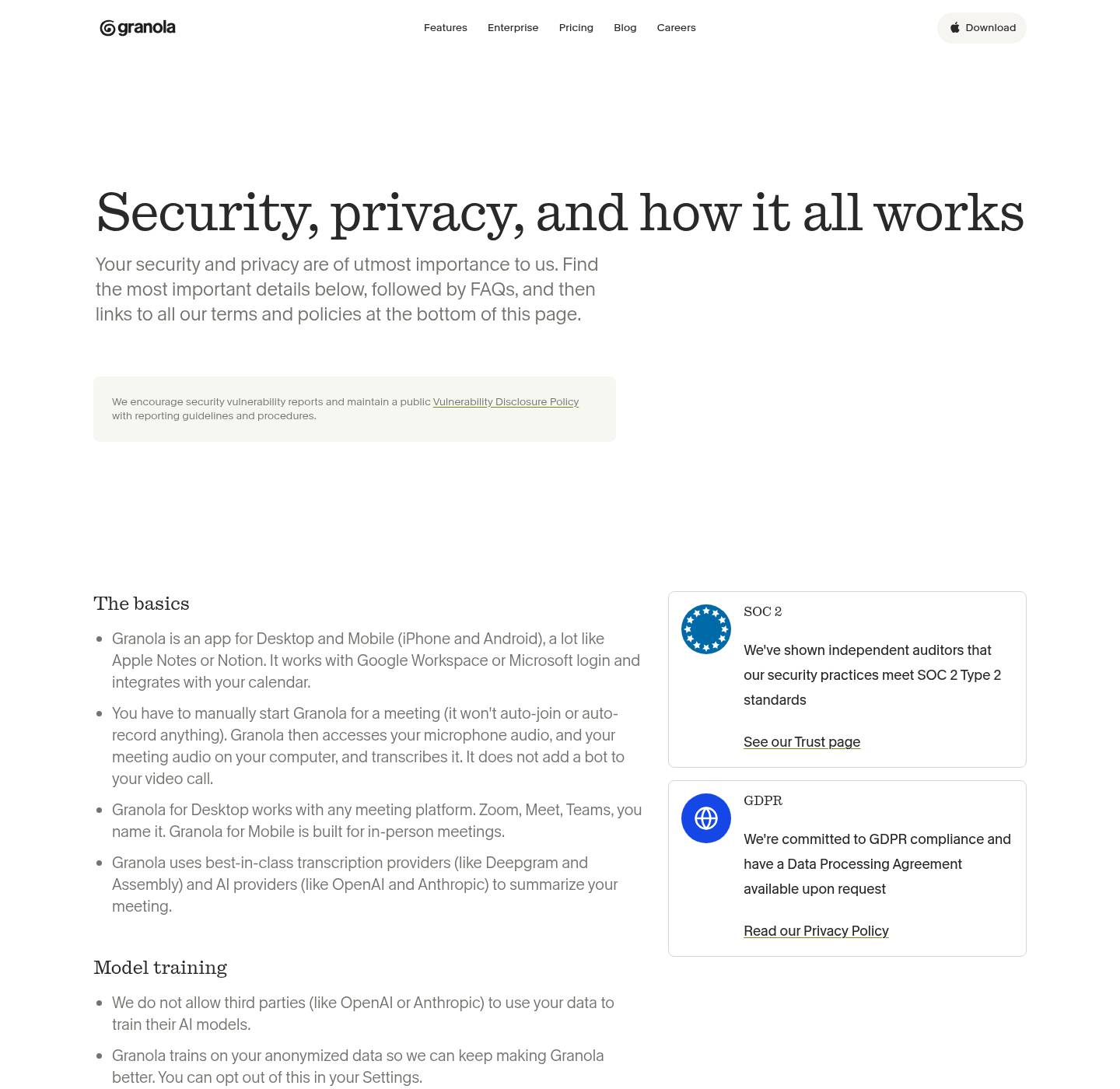
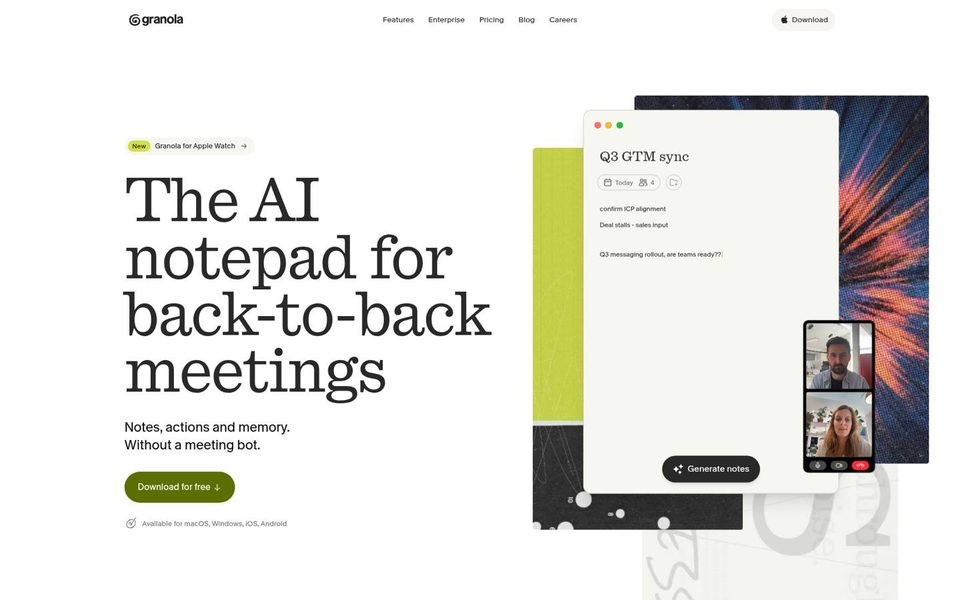
Like Granola, it does not slam a bot into your Zoom and recordings happen in real time.
But unlike Granola, your meeting is not uploaded.
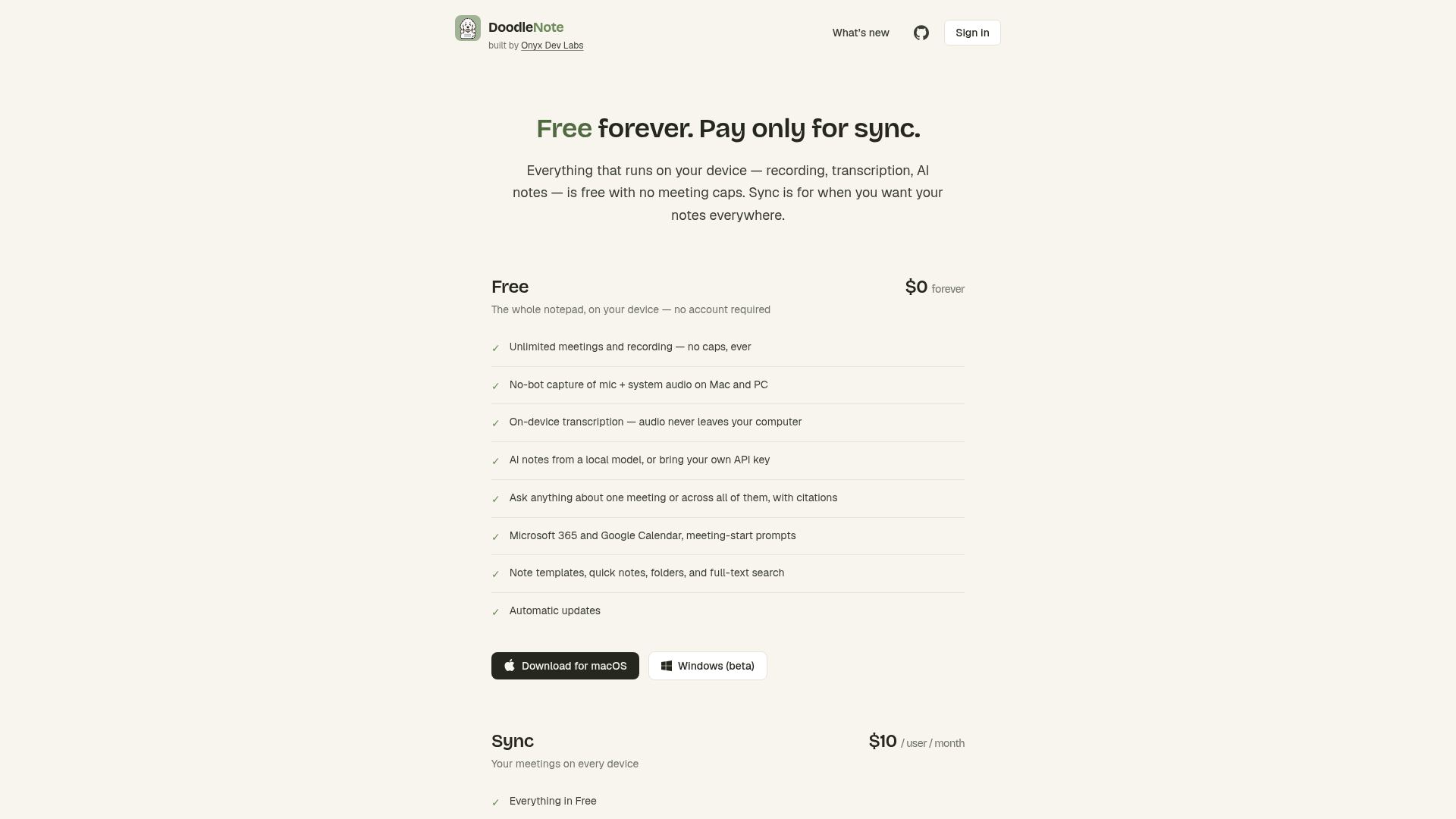
Call transcripts are on your computer, and you can have your agent search them.
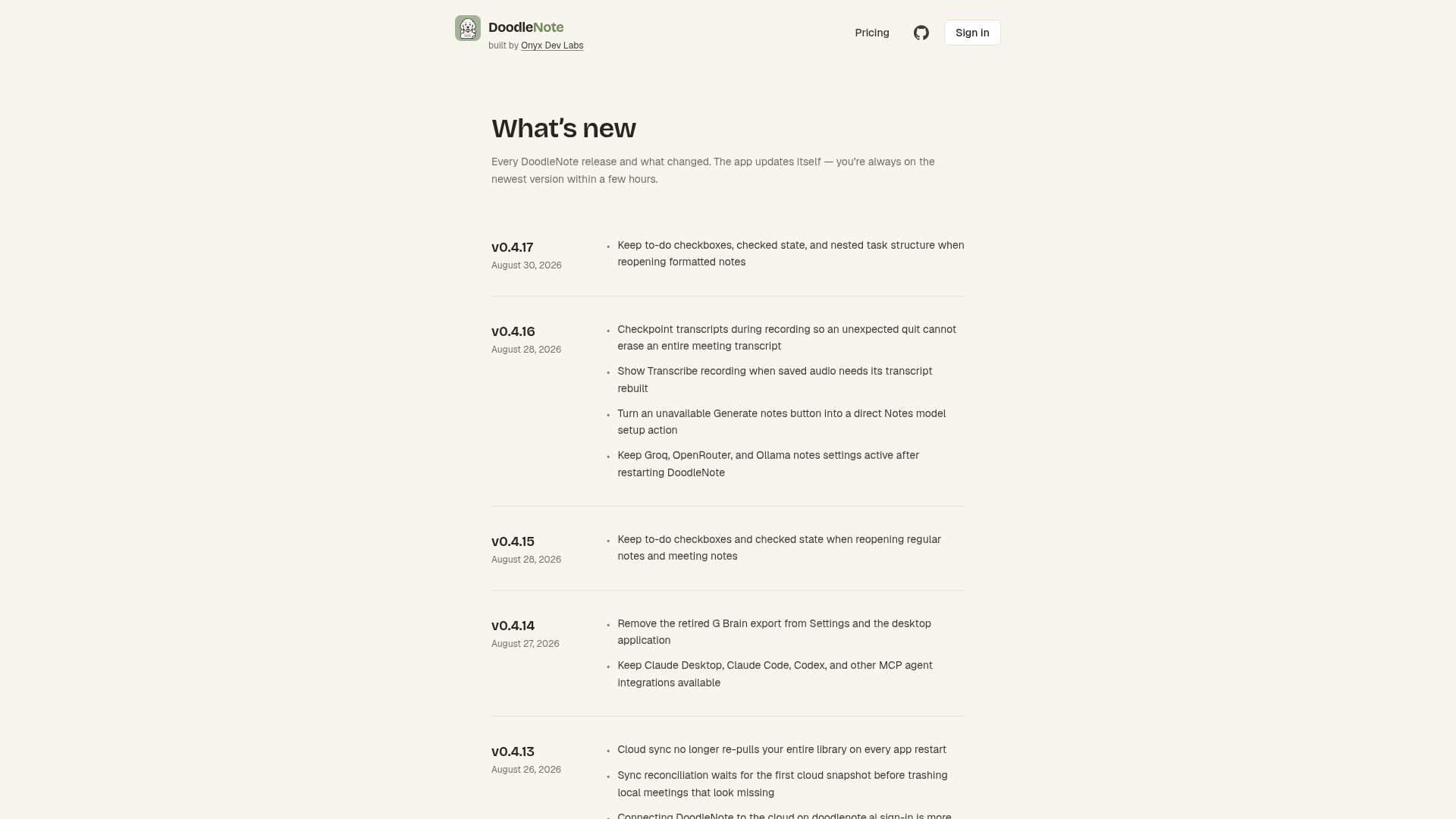
Here is what Doodle Note ships:
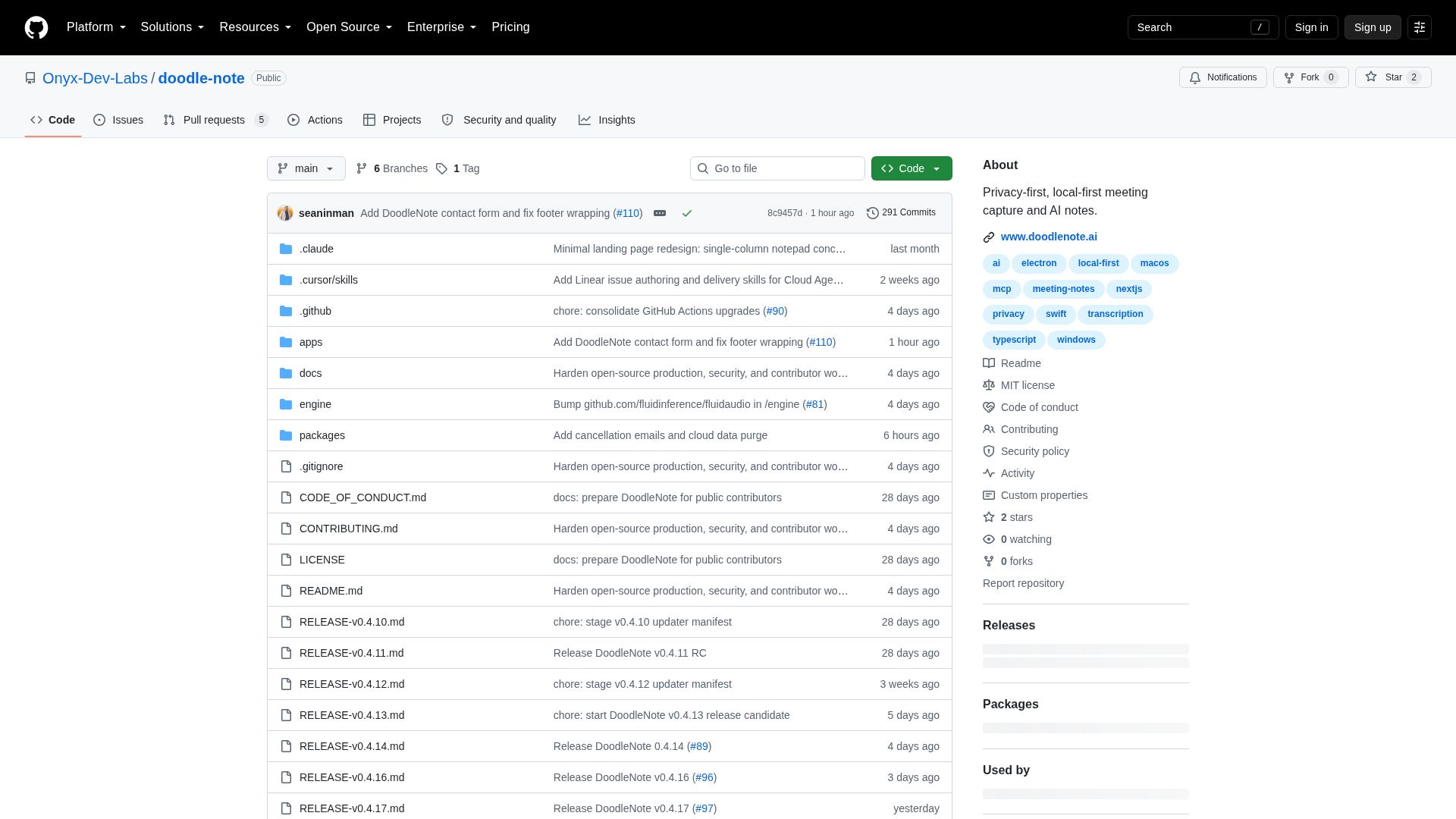
Worth Noticing:
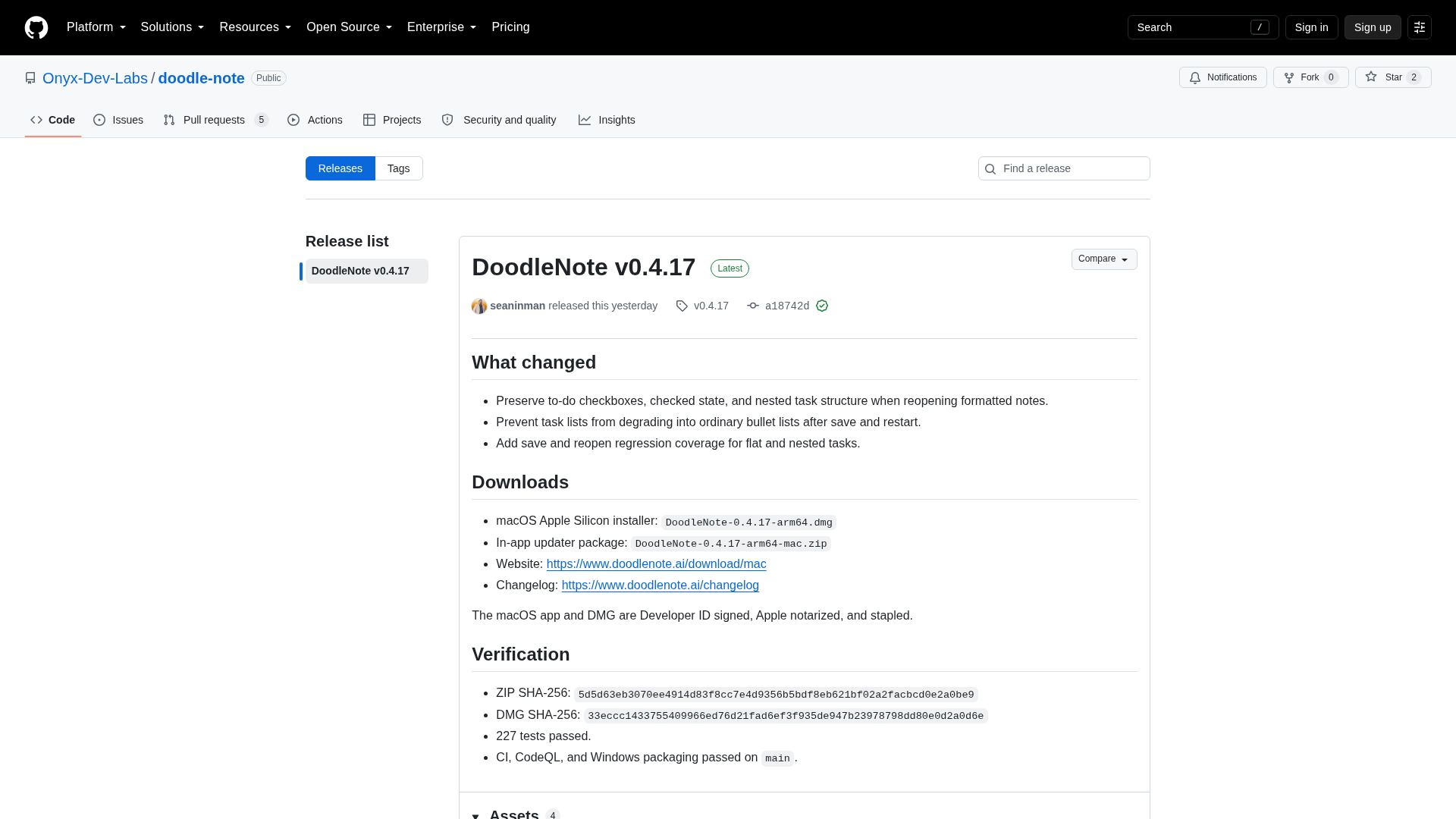
Two GitHub stars. The app is still being updated. Windows is beta. The phone app is not out. You are early. The MIT code is real. Hosted sync is a separate $10 a month bill if you want notes on every device.
But:
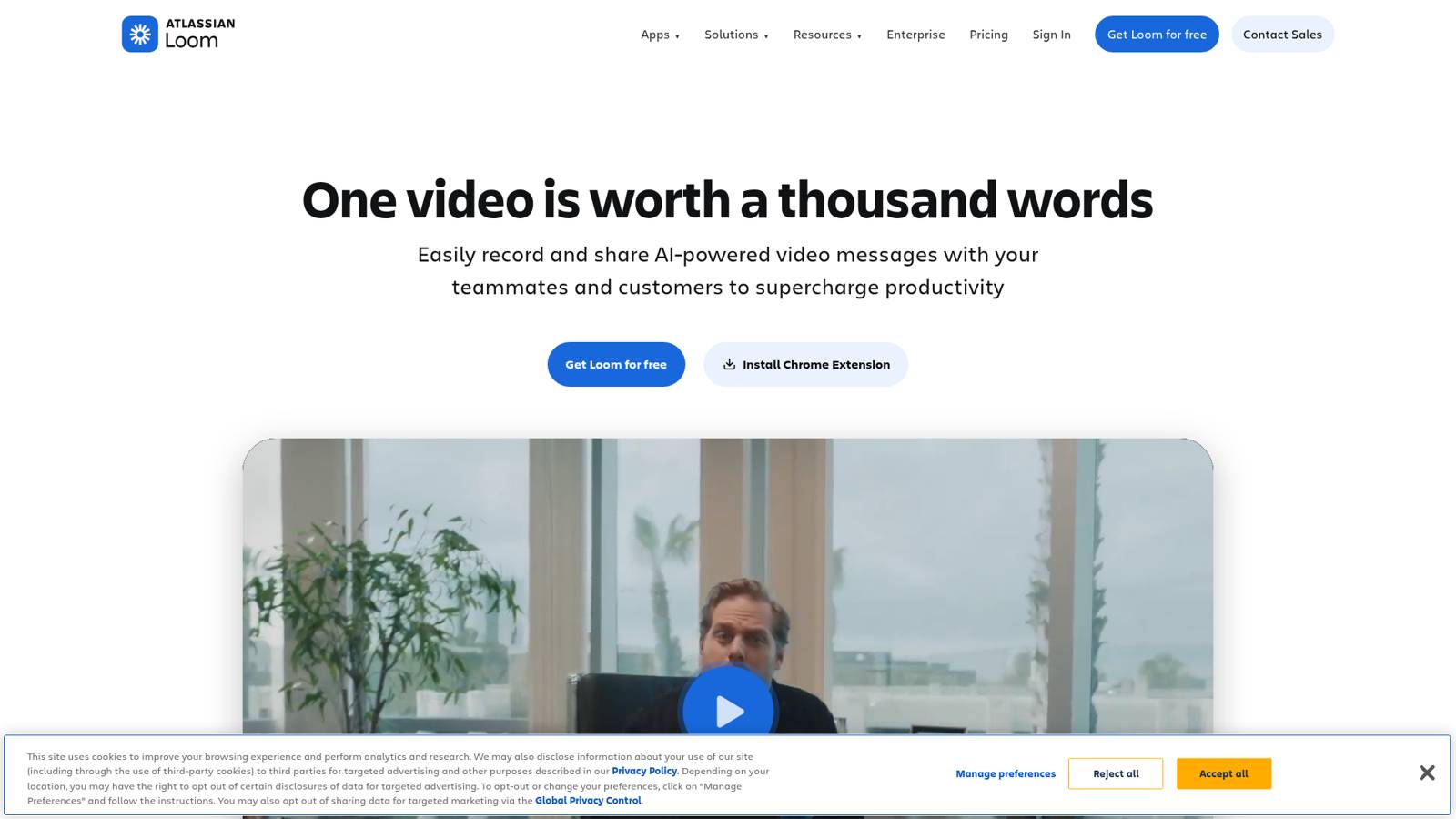
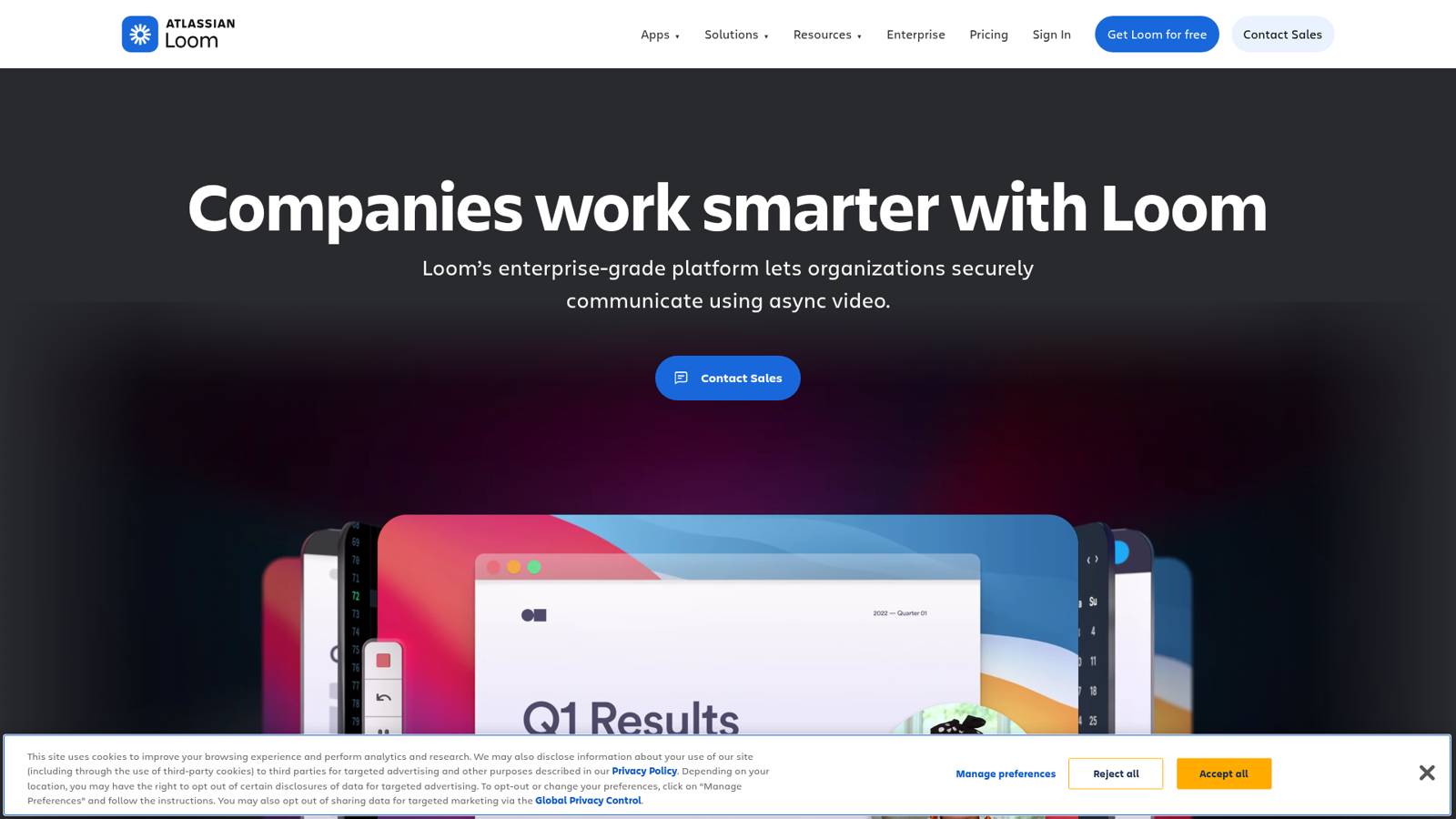
Your product demo lives on their servers.
Your bug report lives on their servers.
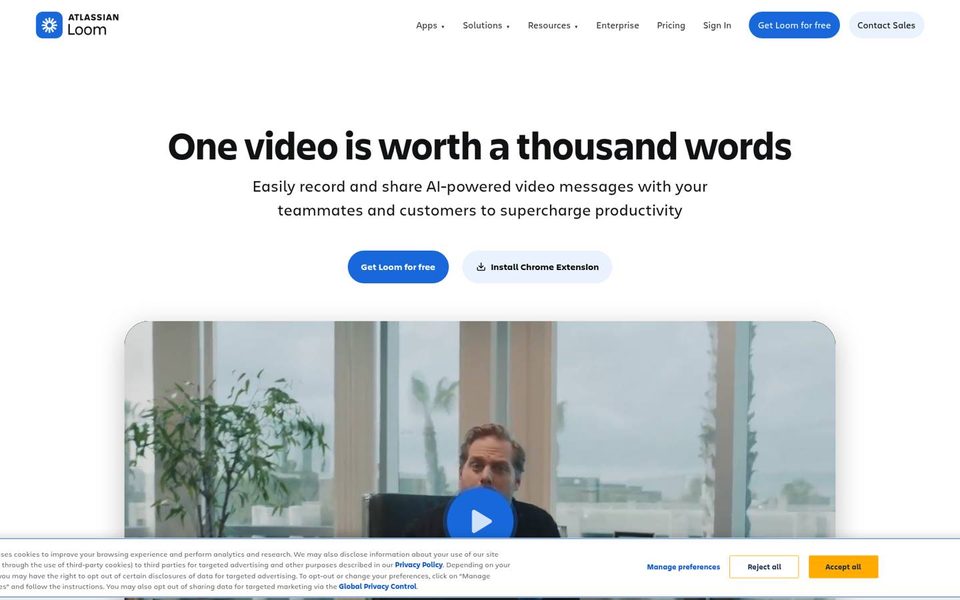
When you share a video, they use it to promote Loom to your viewers.
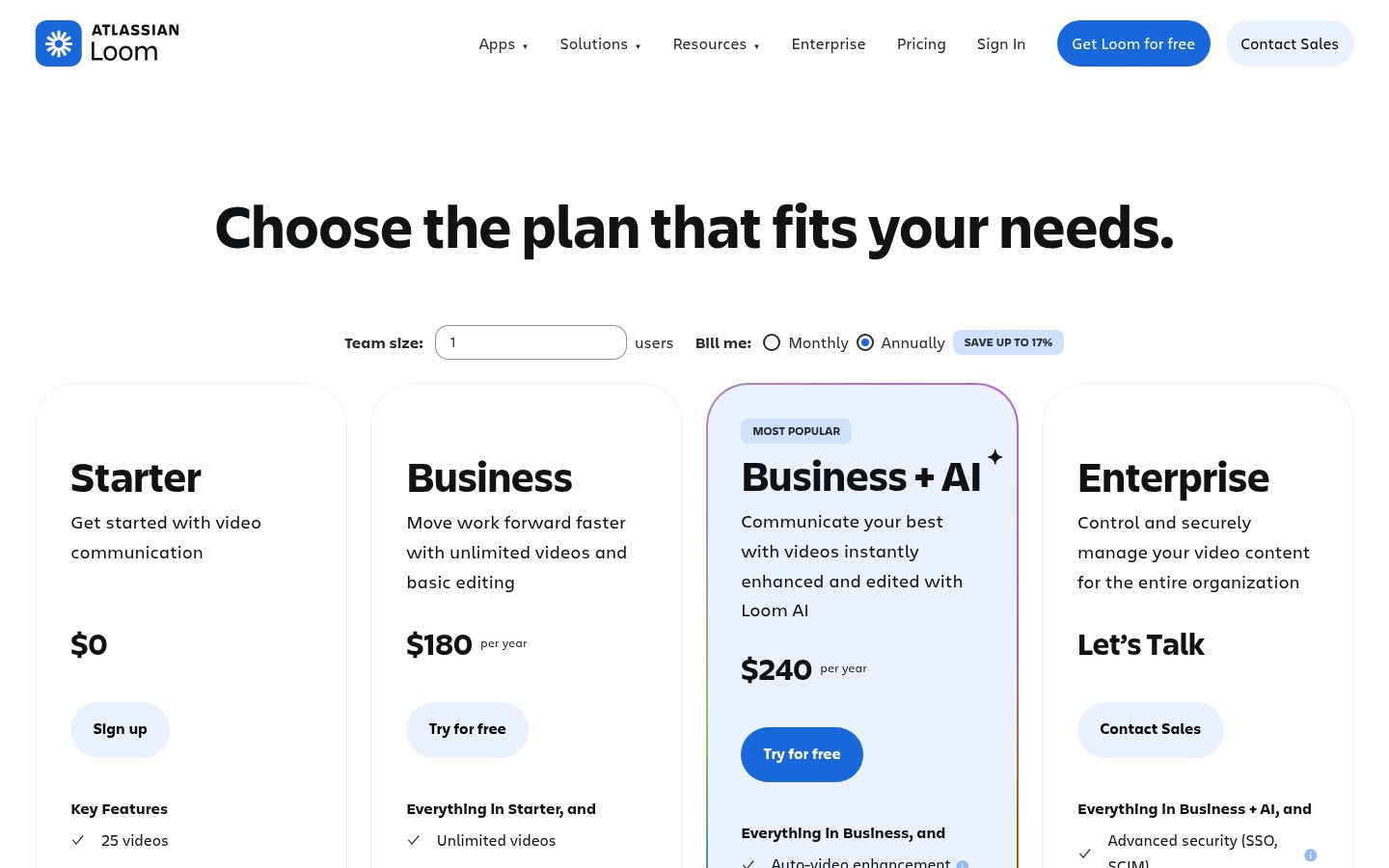
Their prices climb to $240 a year.
Then a company built the open source Loom alternative.
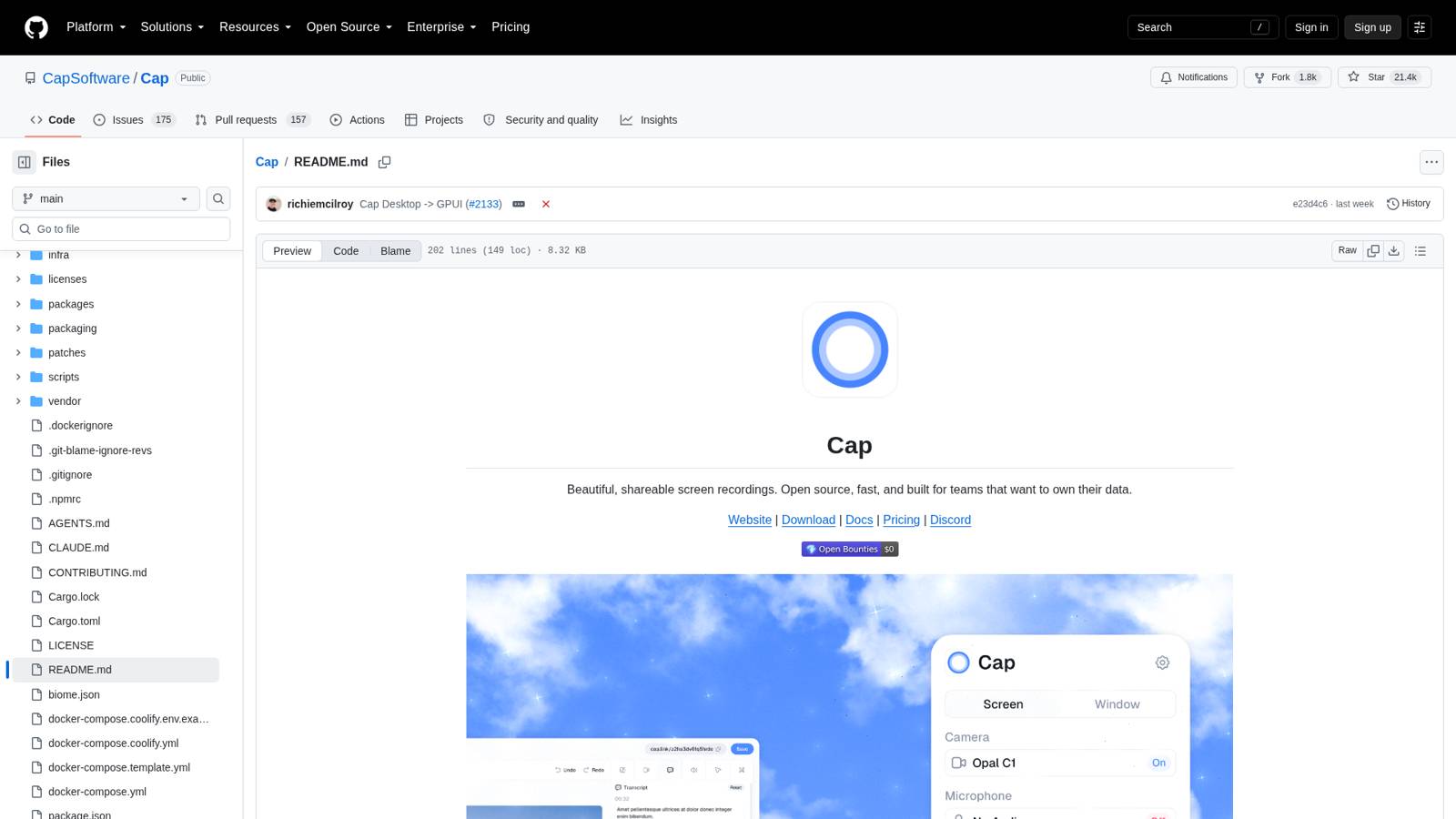
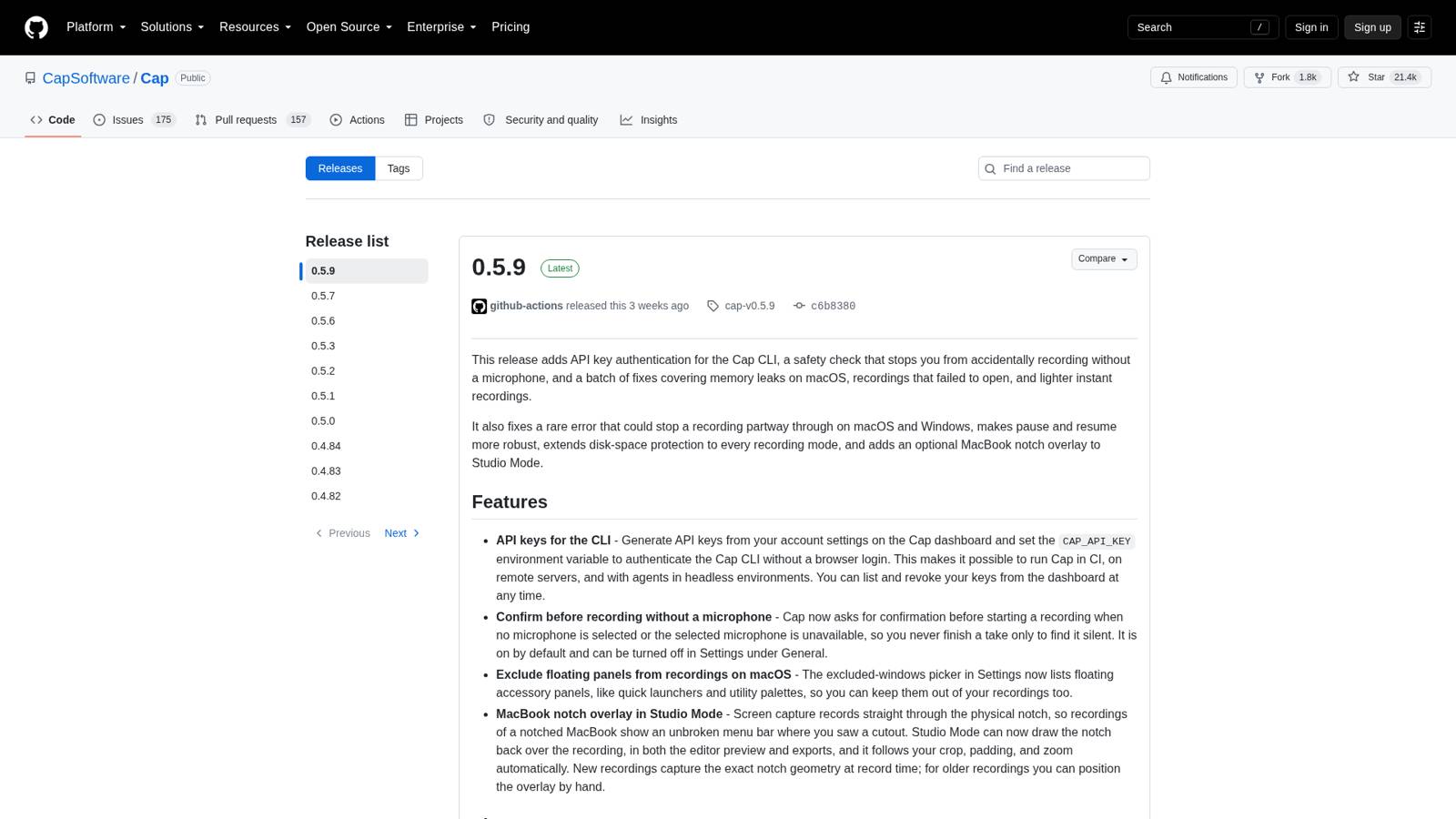
Cap went on GitHub in November 2023. 21,000 stars. 82 releases. It is shipping.
Cap is the open source alternative to Loom.
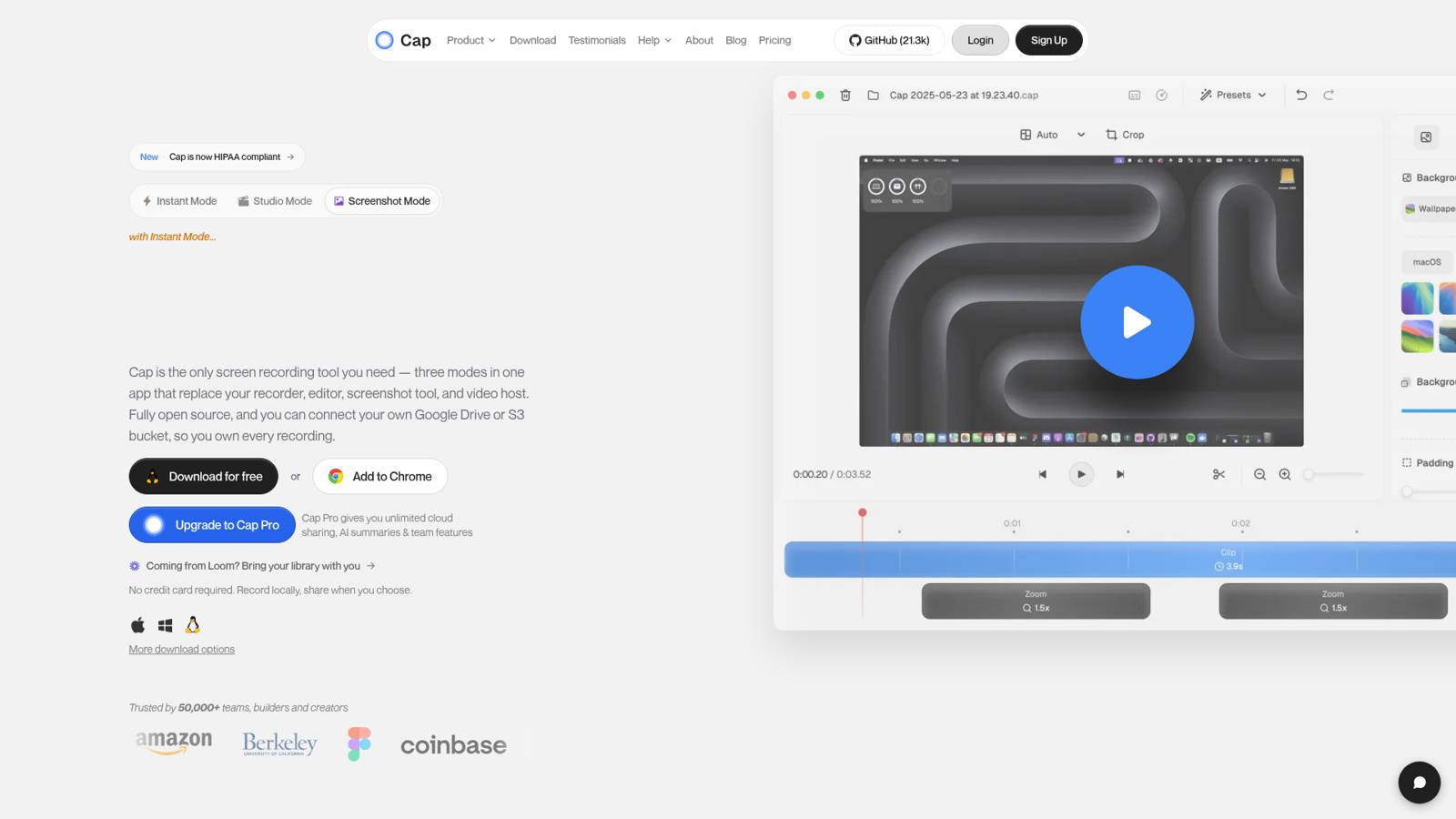
You can save the file on your computer and share it, for free.
Or use their cloud for up to 5-minute videos, for free.
Or use your account on cloud storage solutions, like AWS.
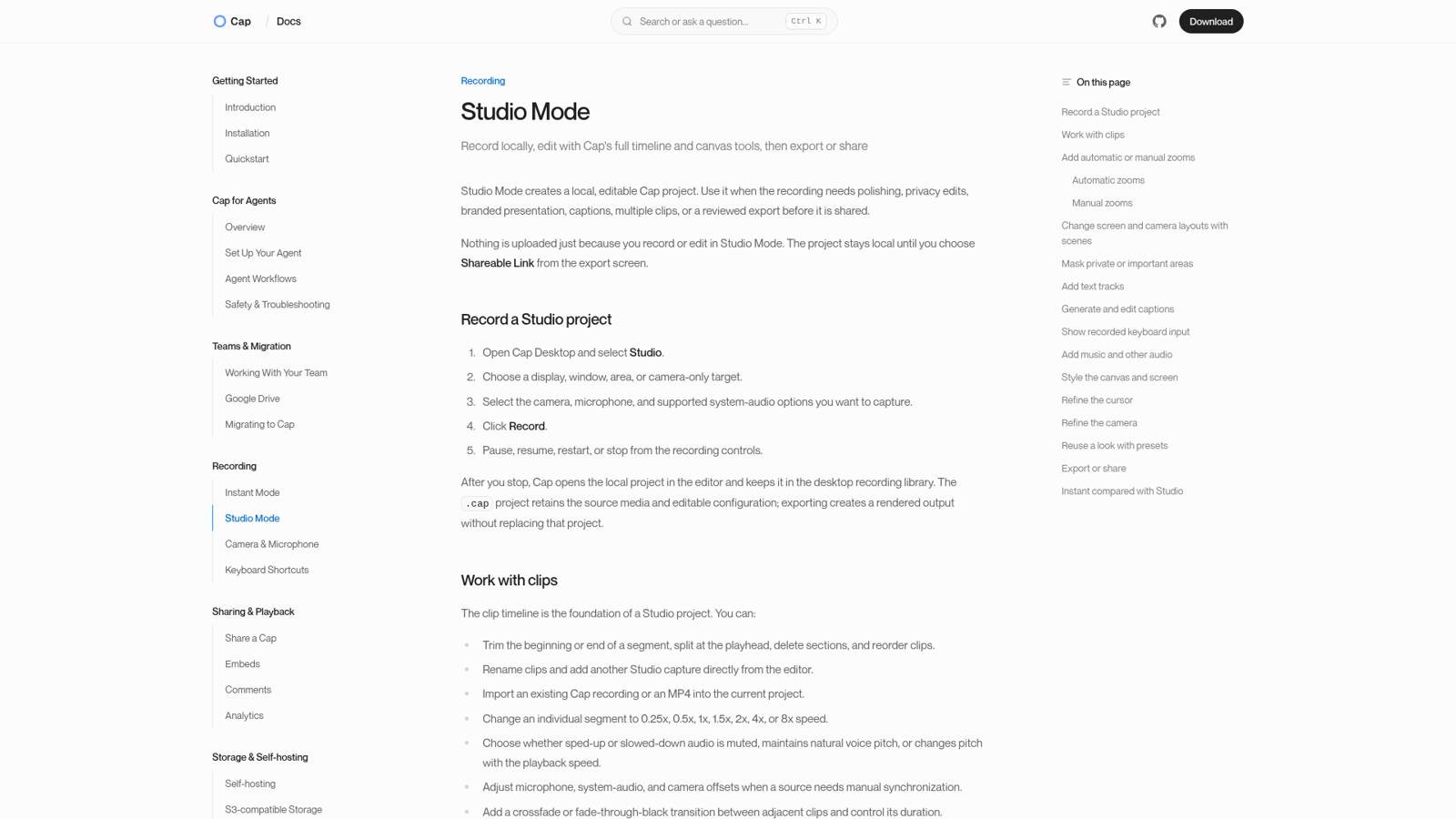
Here is what Cap ships:
Worth Noticing:
But:
The app that used to fill a login in a second now waits.
Search in a big vault lags.
The keyboard shortcut misses.
It feels like a website you have to wait on, not the app you already paid for.
Then someone wrote an unofficial Bitwarden-compatible server and gave it away.
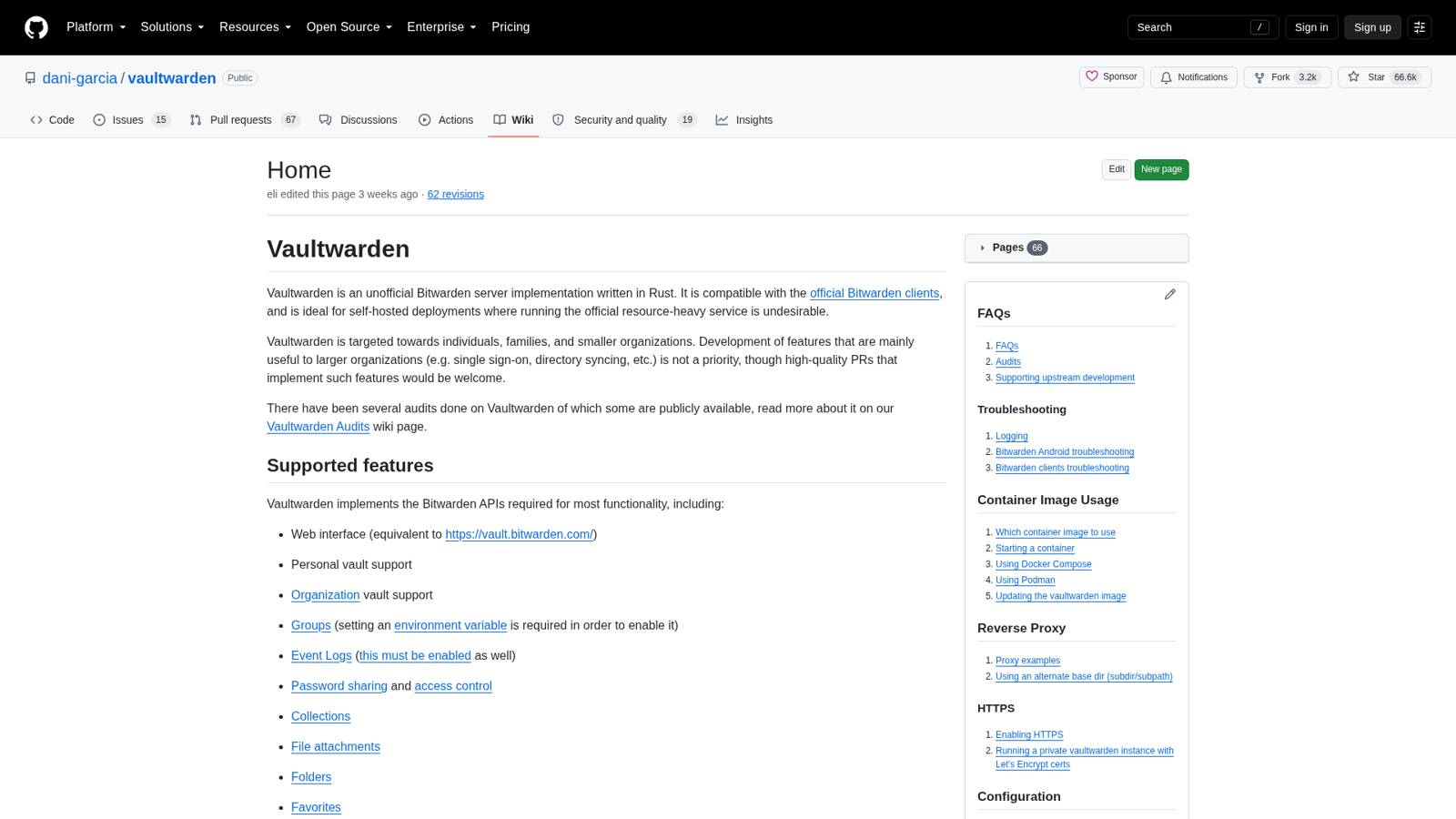
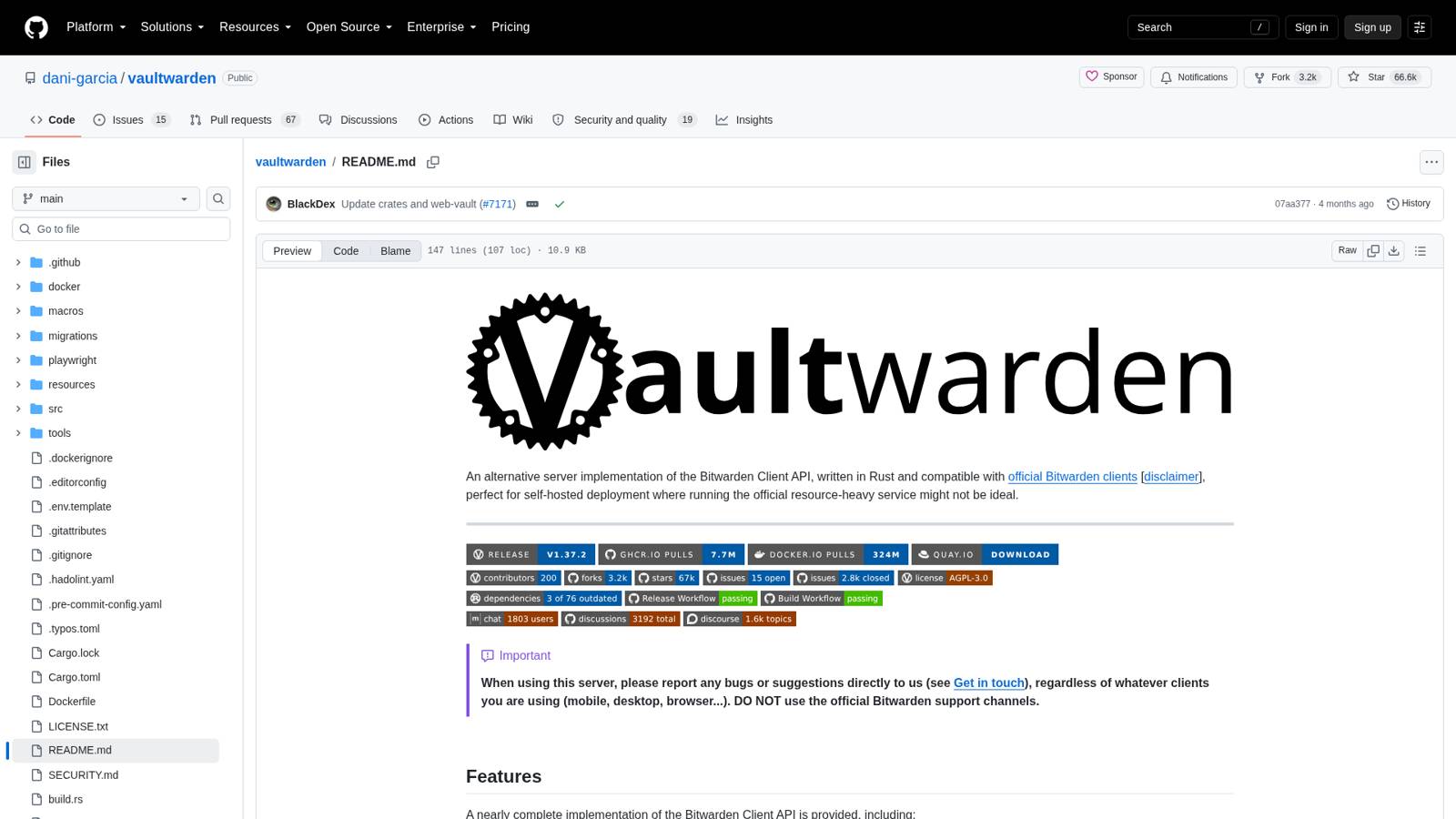
Vaultwarden went on GitHub in February 2018. 66,000 stars. That is not a toy password form. That is a server a lot of people actually run.
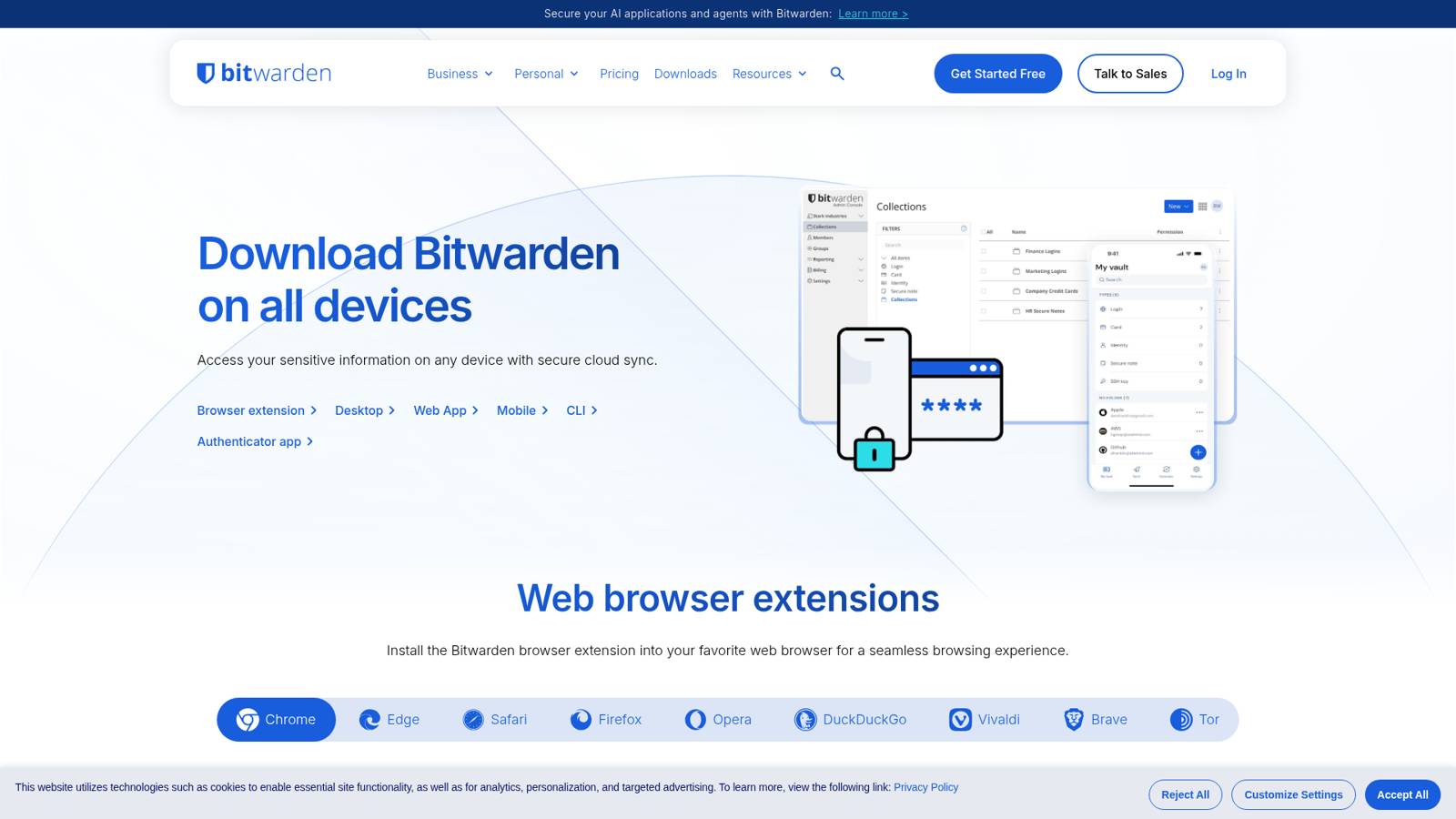
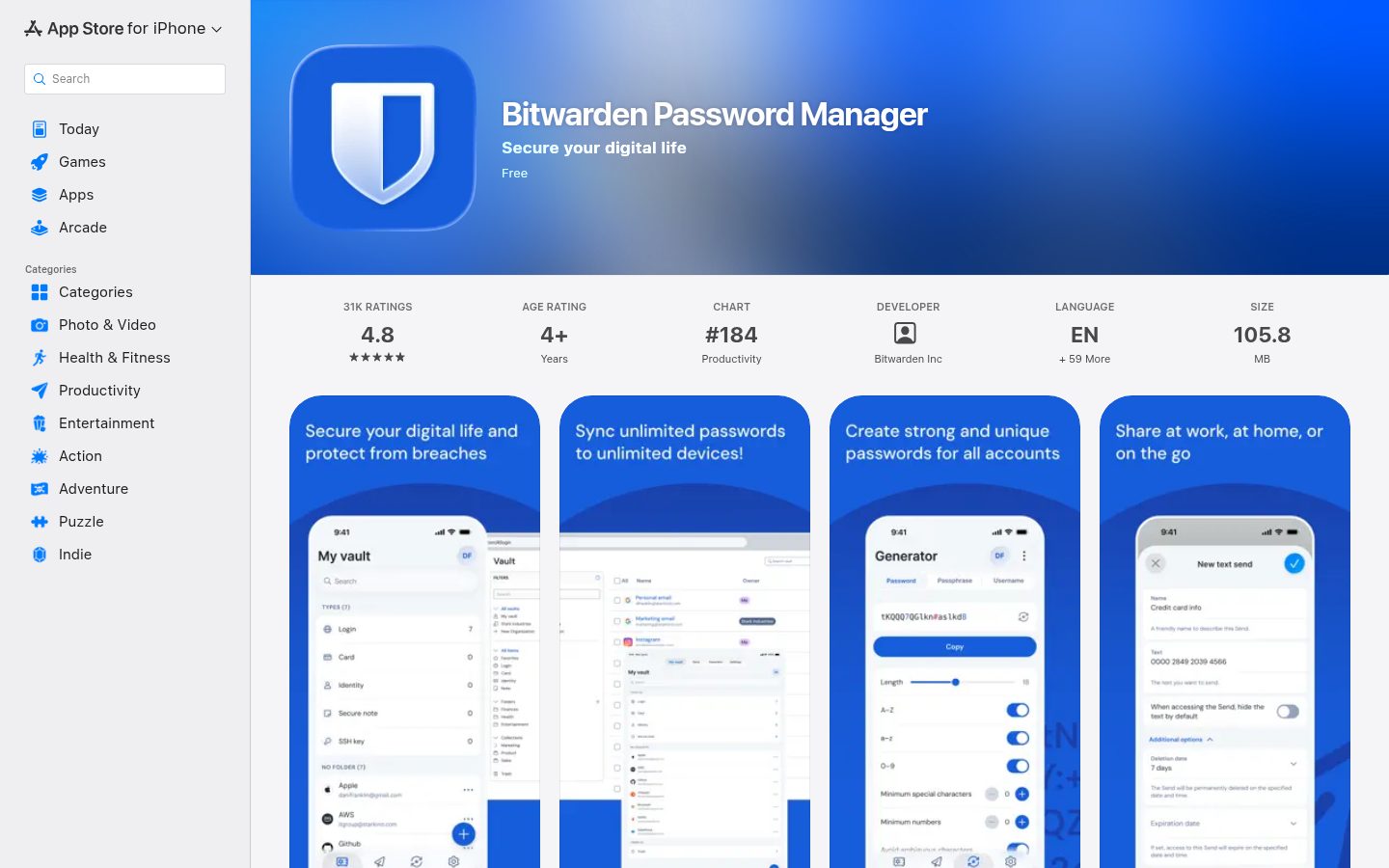
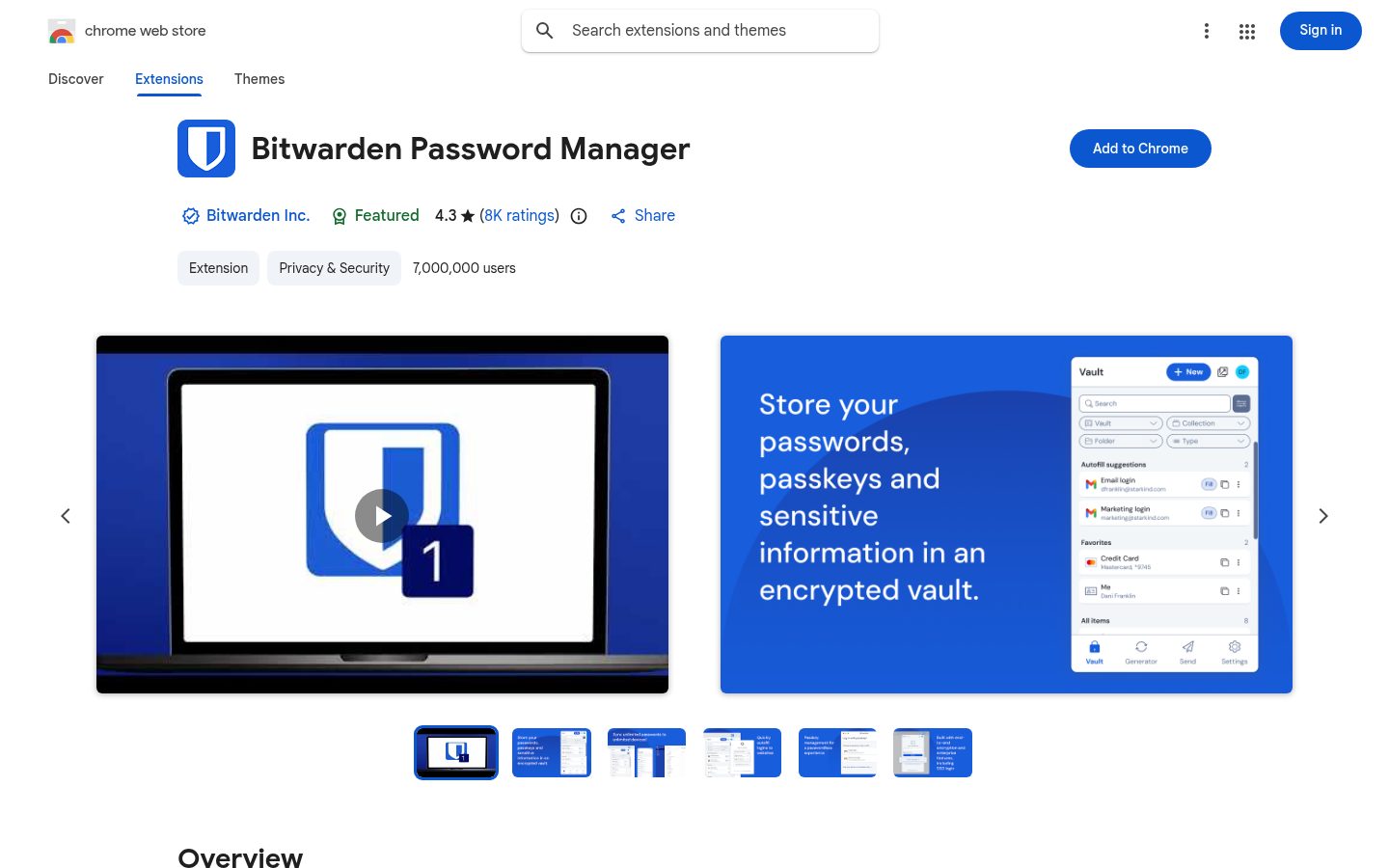
There is no Vaultwarden iPhone app. You install the official Bitwarden apps. Phone, desktop, browser, and the command line. Then you point the server address at yours. The clients are Bitwarden's. The vault lives on your box.
Say that slowly, because the confusion is the whole risk. Do not install a knockoff app. Organizations, collections, and team sharing work, and they are free on a server you host. You are the security team now.
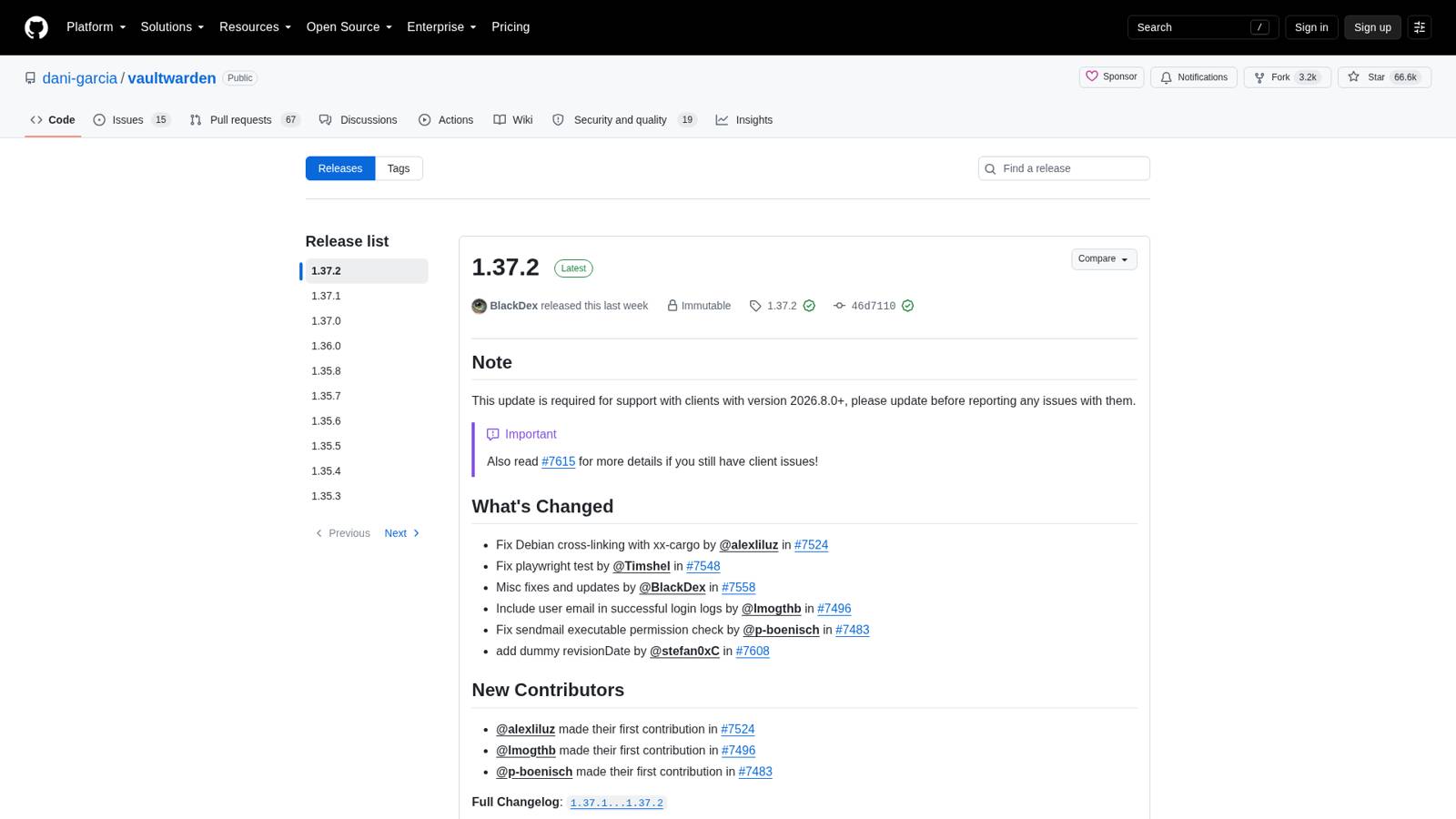
66,563 stars. 3,172 forks. 86 releases. AGPL-3.0. On GitHub since February 2018.
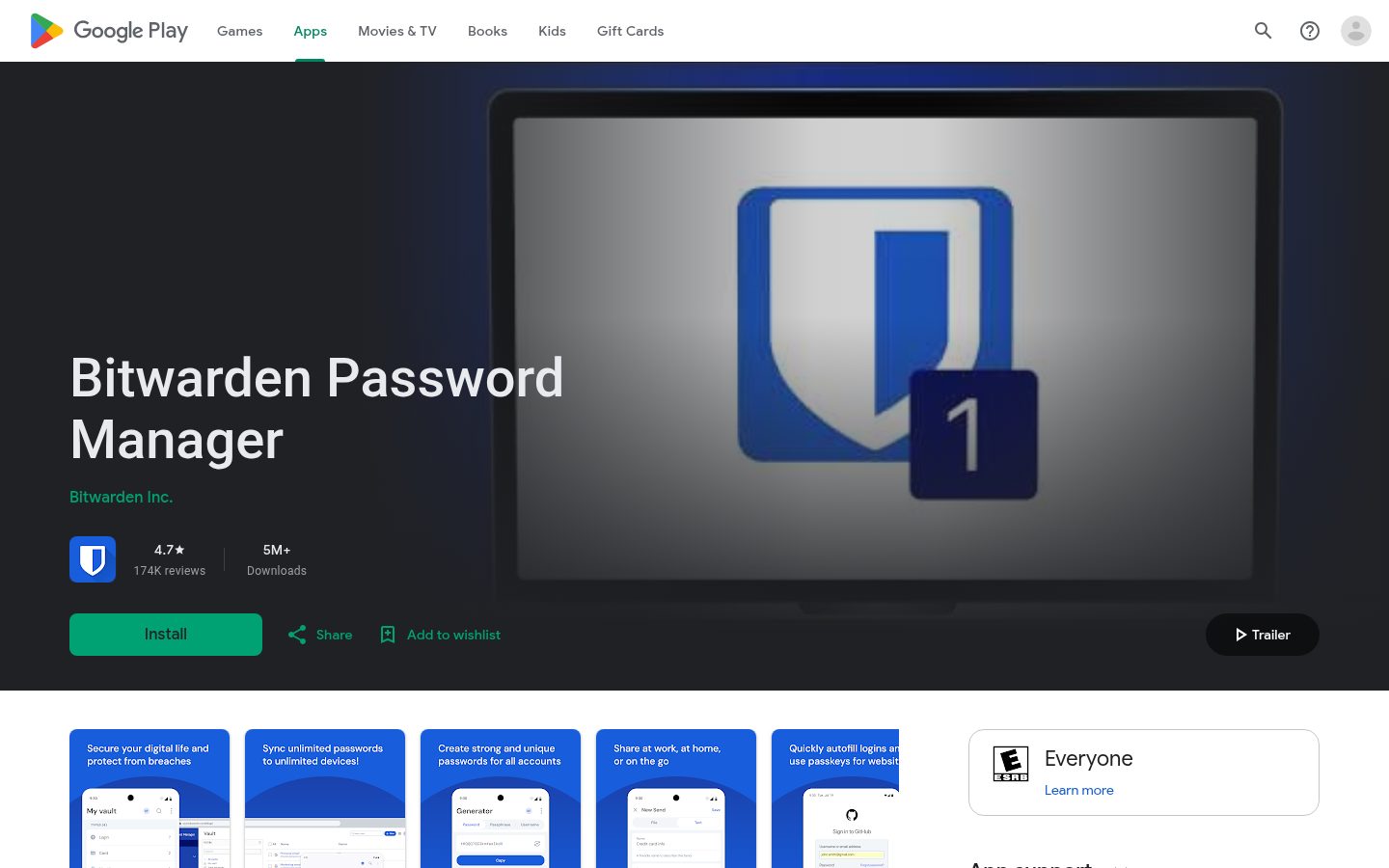
It works with the official Bitwarden apps. iPhone, Android, and the Chrome extension. You point them at your server.
Here is what Vaultwarden ships:
Worth Noticing:
If the box dies and you have no backup, those passwords are gone.
But:
Substack charges rent on your readers.
And the more subscribers you get, the more they charge you.
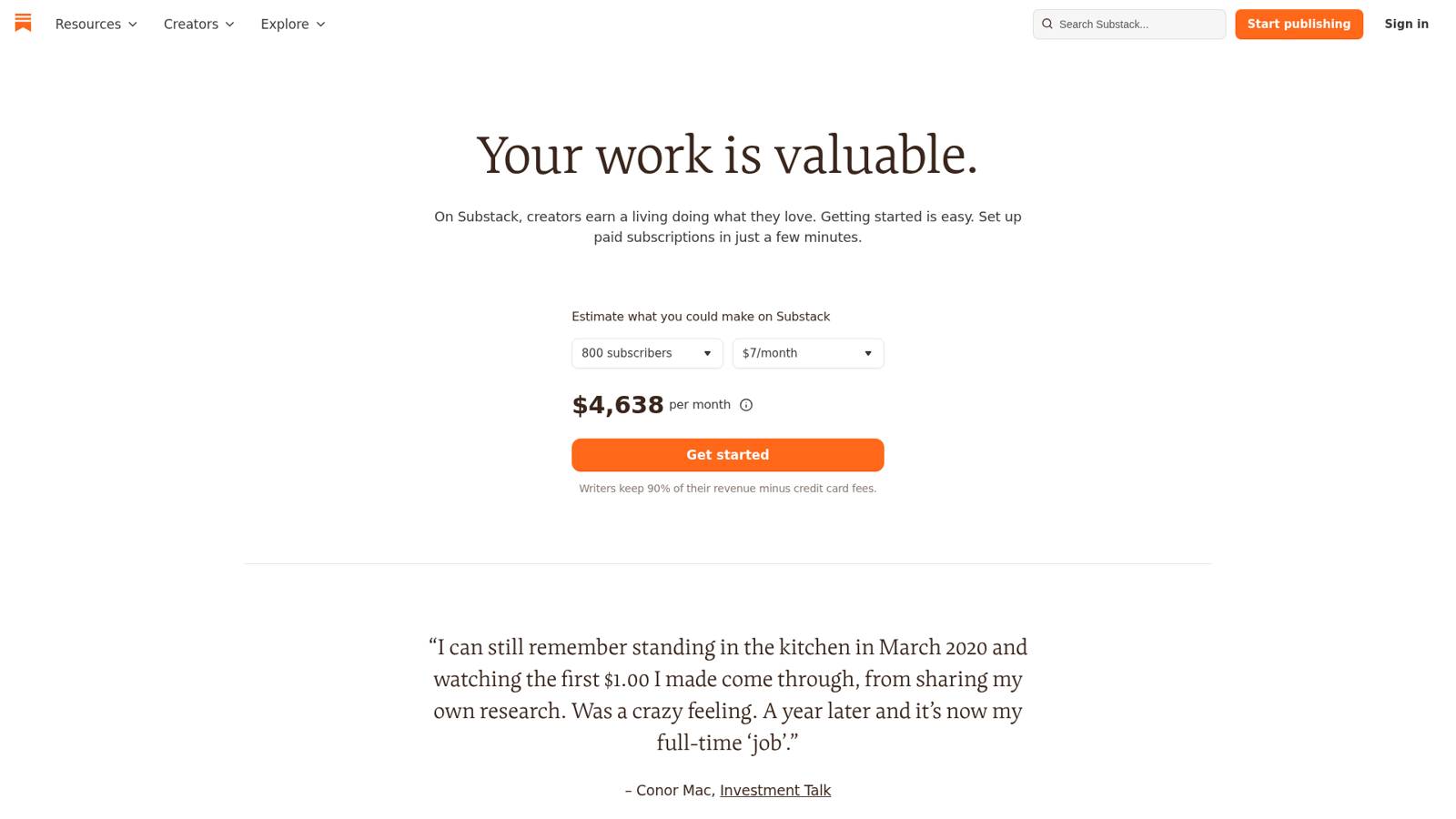
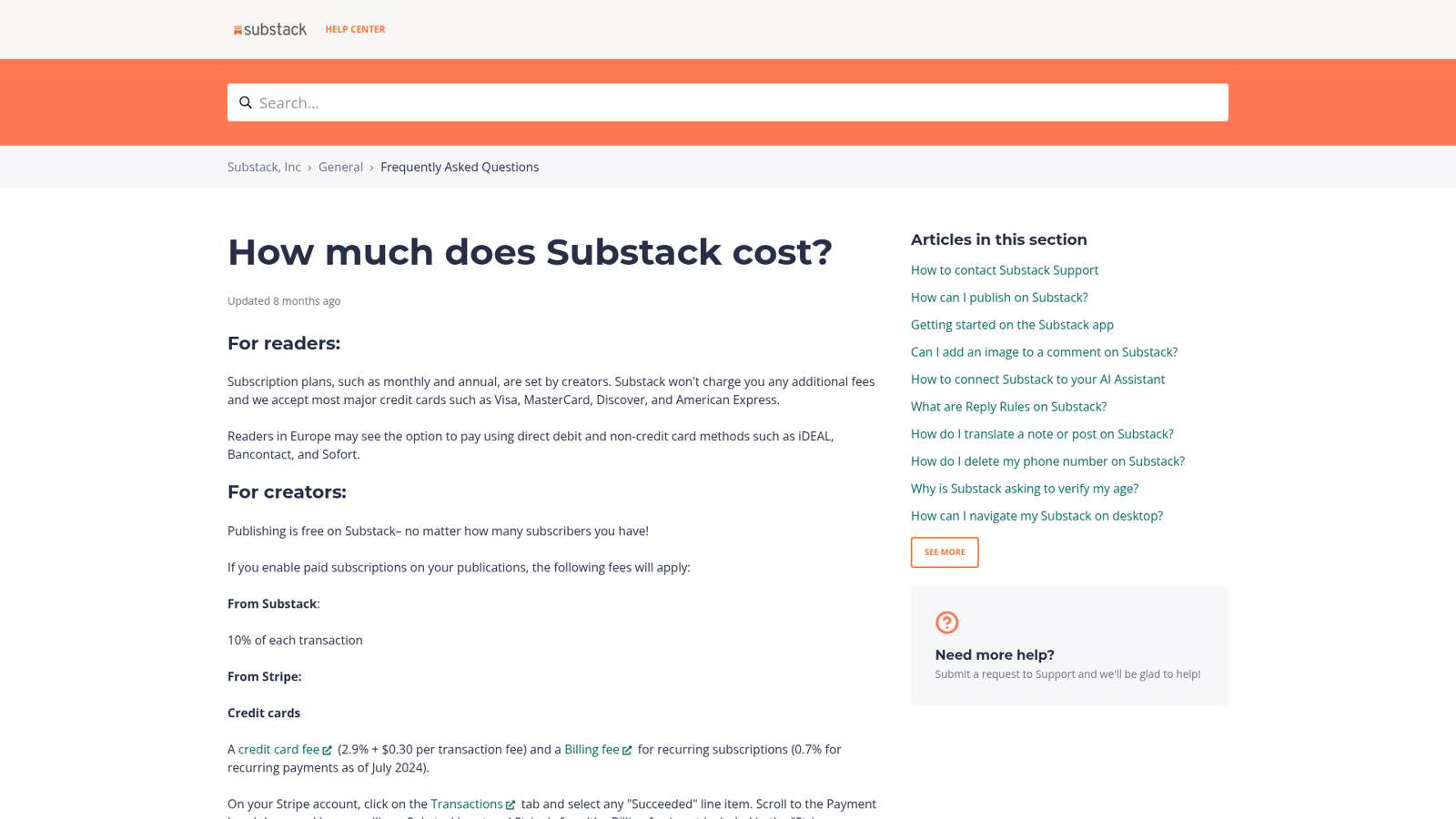
The moment someone pays you, Substack takes 10% of every transaction, forever, with no cap.
Then a non-profit built the publishing platform and put it under MIT.
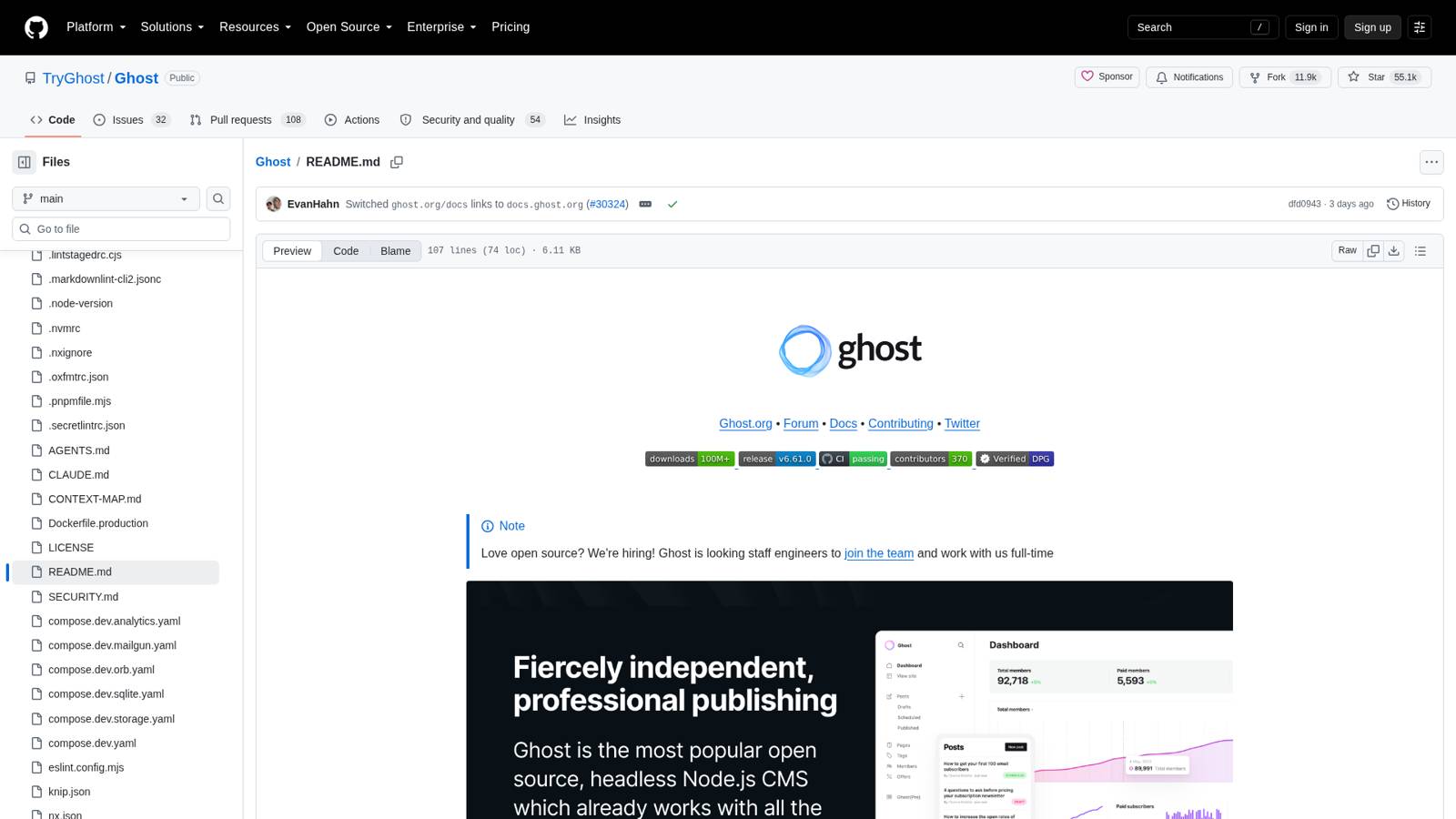
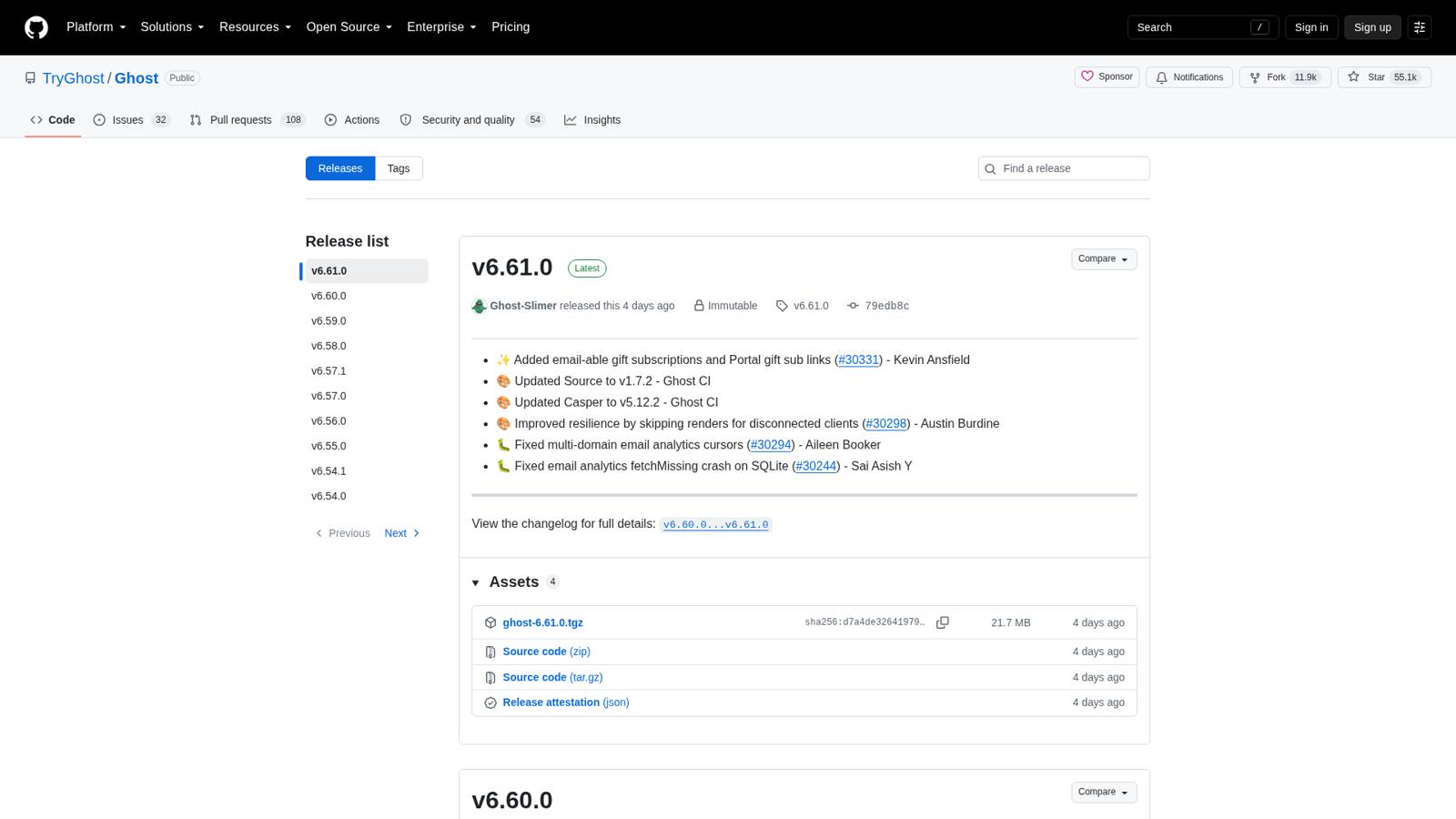
Ghost went on GitHub in May 2013. 55,000 stars. 1,002 releases. This is a 13-year-old publishing company that happens to give the software away.
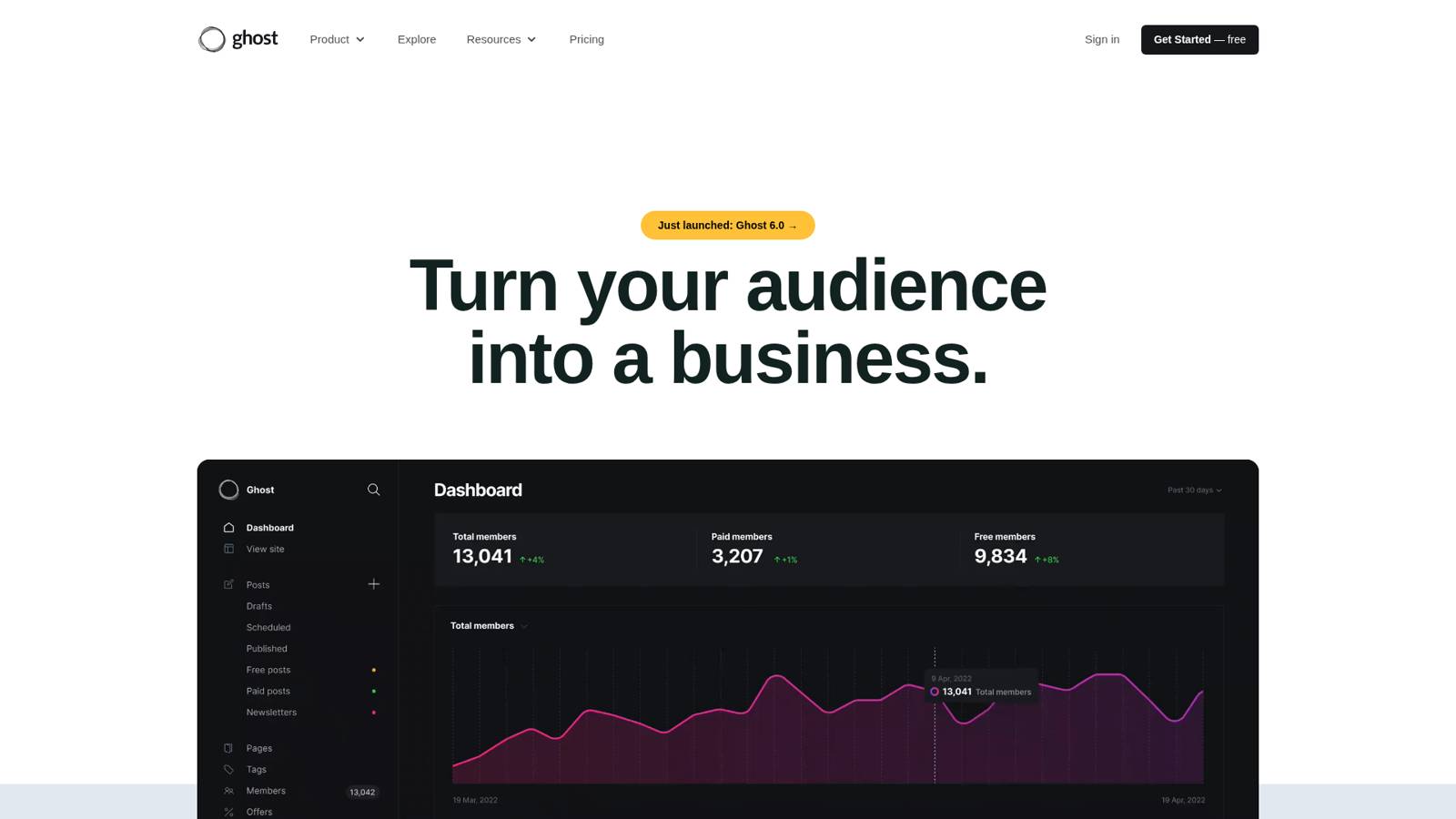
Ghost takes 0% of your revenue.
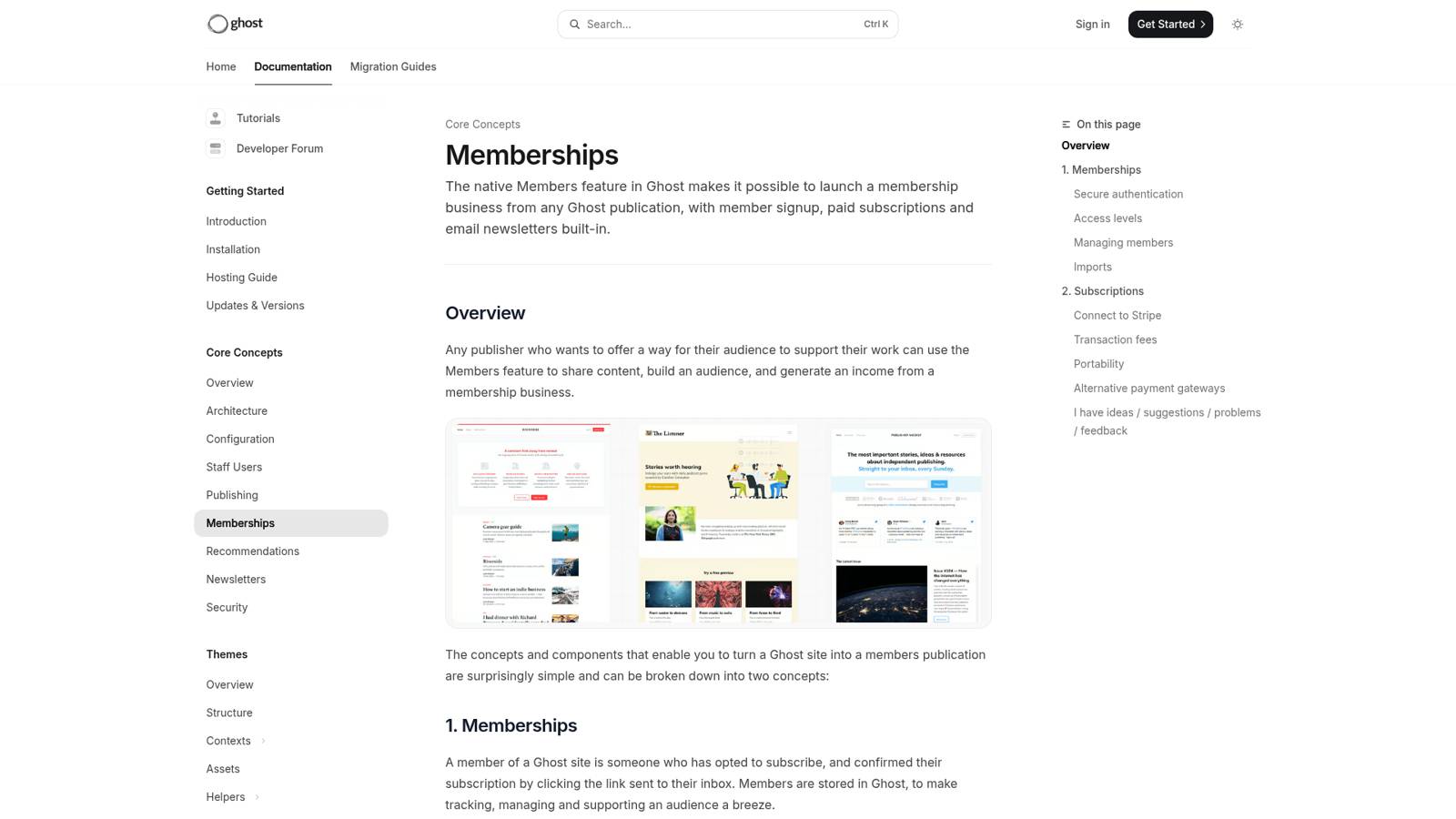
Here is what Ghost ships:
Worth Noticing:
Self-hosting Ghost is a work. Their hosted plan exists because most writers do not want that job, and the money from it funds the software.
But:
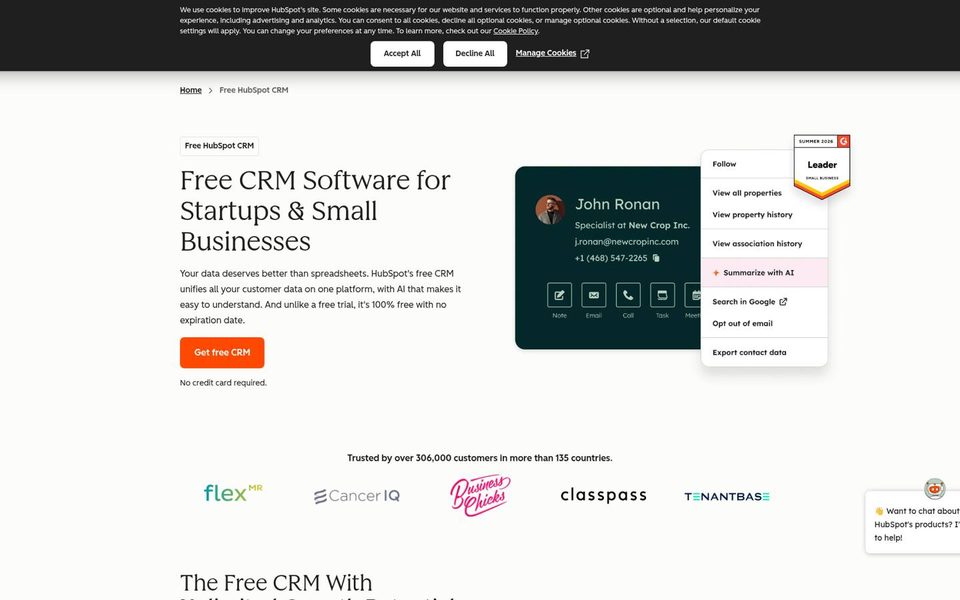
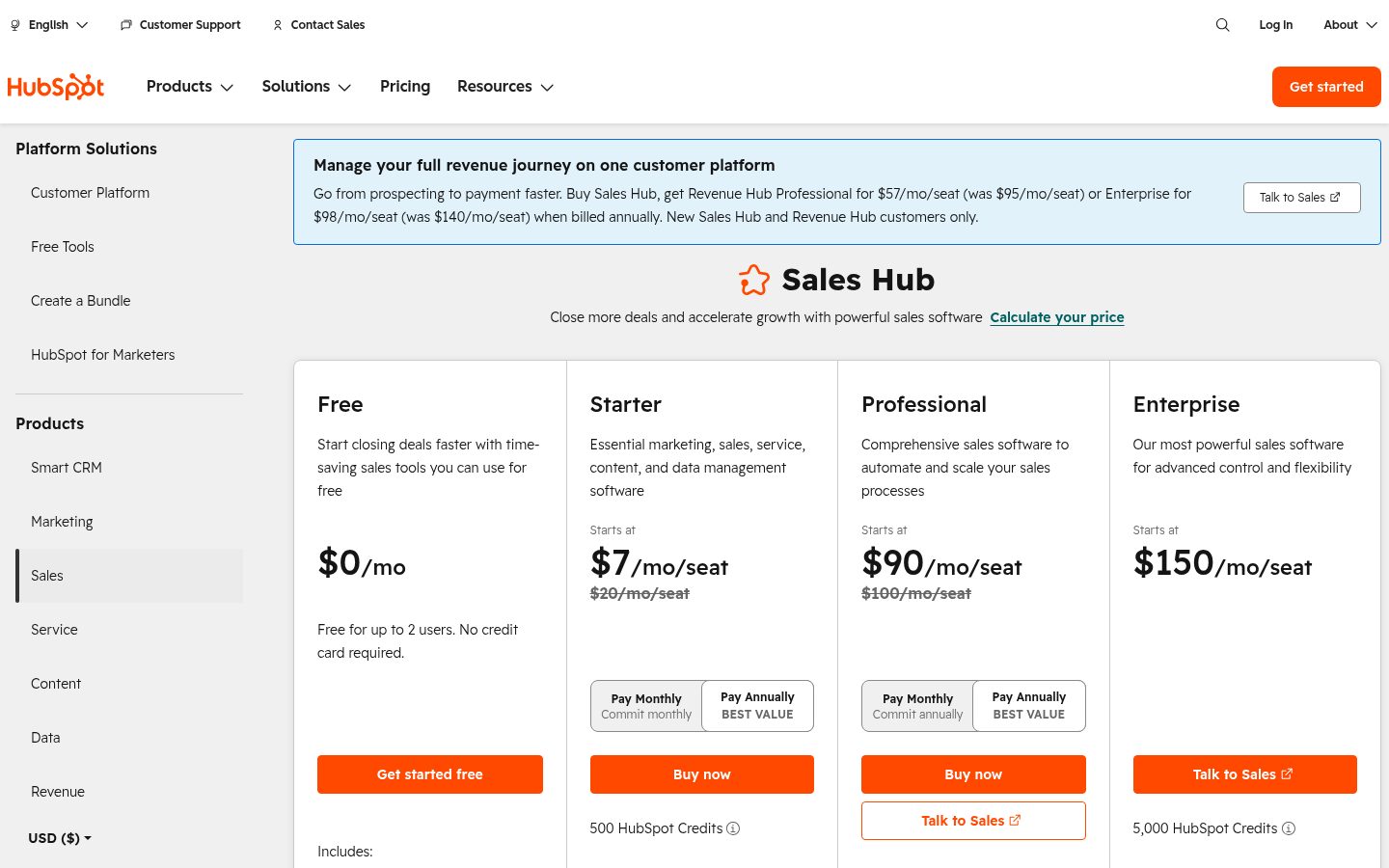
The free CRM is the hook. Sequences, forecasting, and custom reporting sit behind Professional.
The bill is per seat, and it jumps when you want the sales tools.
You came for a contact book. You leave paying for a platform.
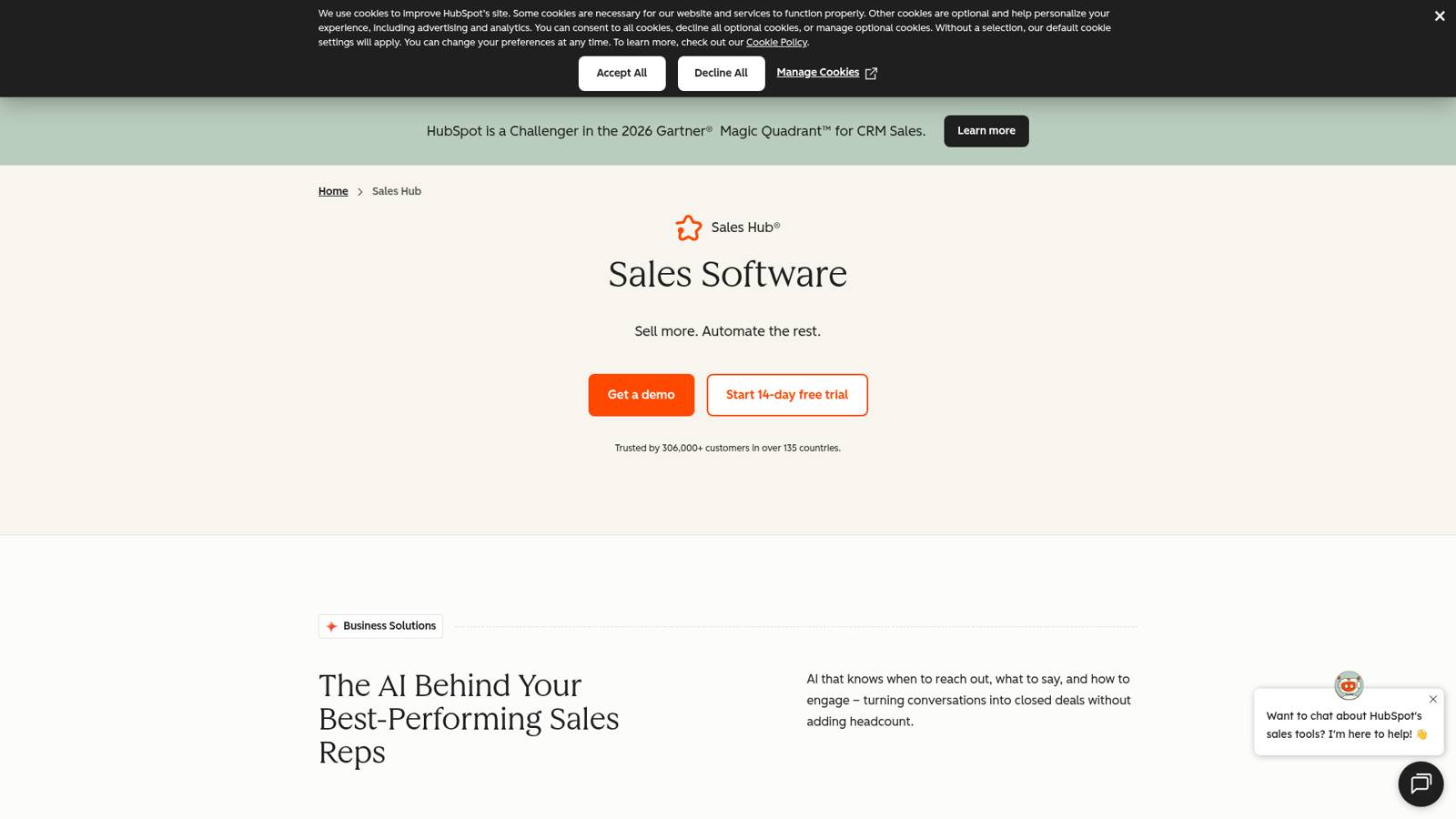
HubSpot Sales Hub Professional is $90 a seat a month, billed annually. That is $1,080 a year.
Then a team put an open source CRM on GitHub.
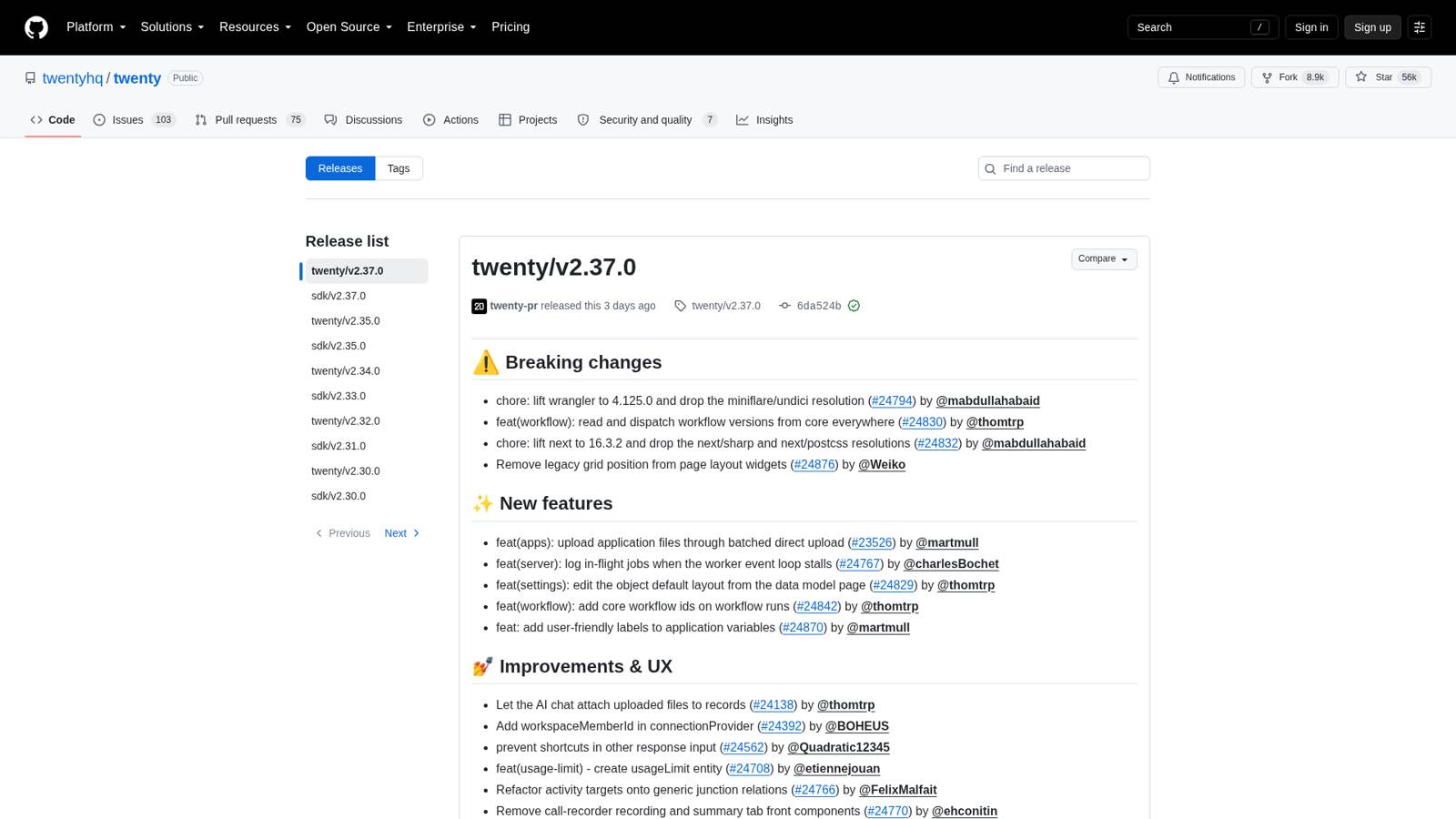
Twenty is the CRM you can run yourself.
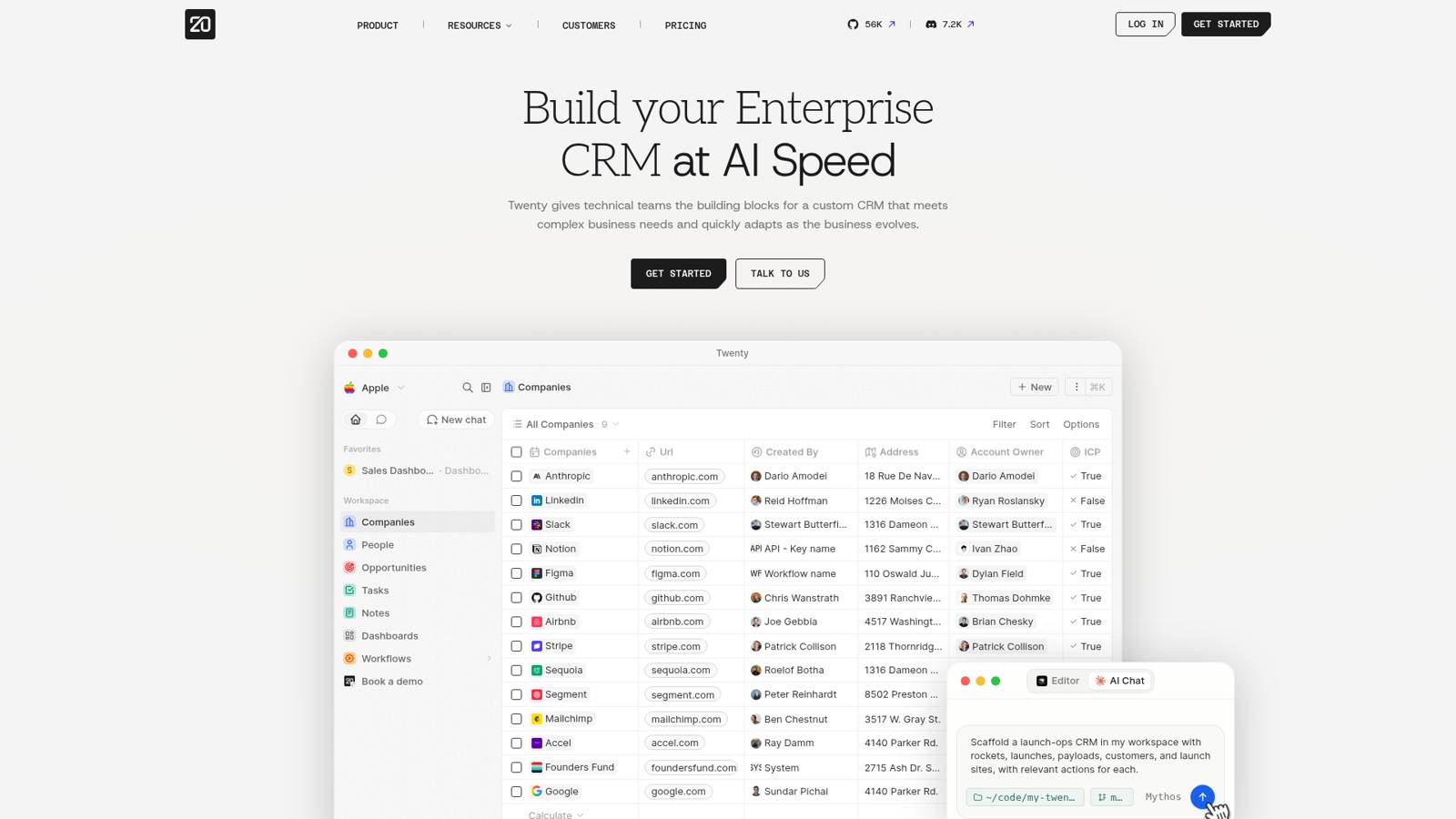
You can self-host it.
Contacts, companies, pipelines, and workflows live on a box you own.
You can also use their cloud if you do not want to run a server.
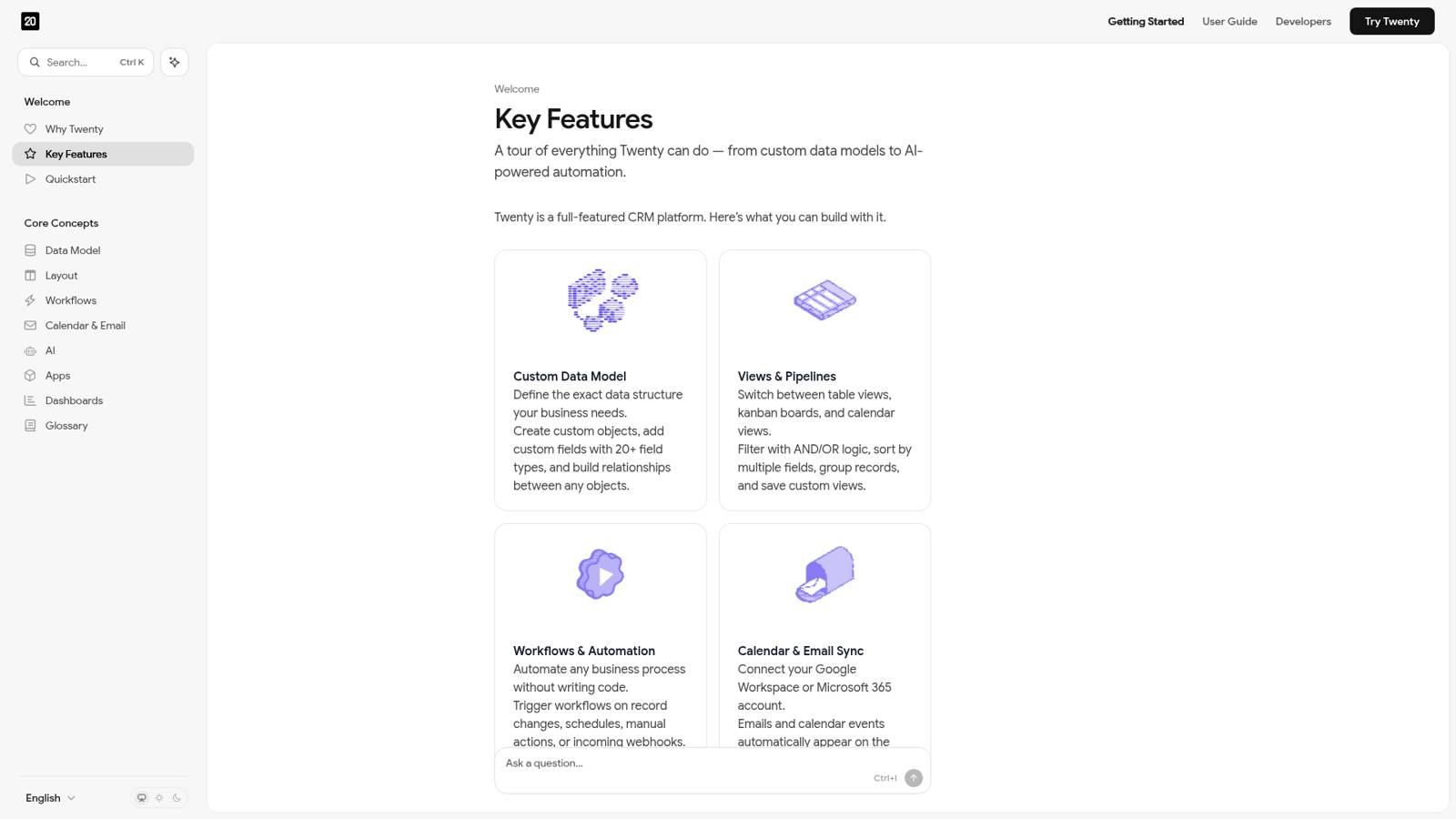
Here is what Twenty ships:
Worth Noticing:
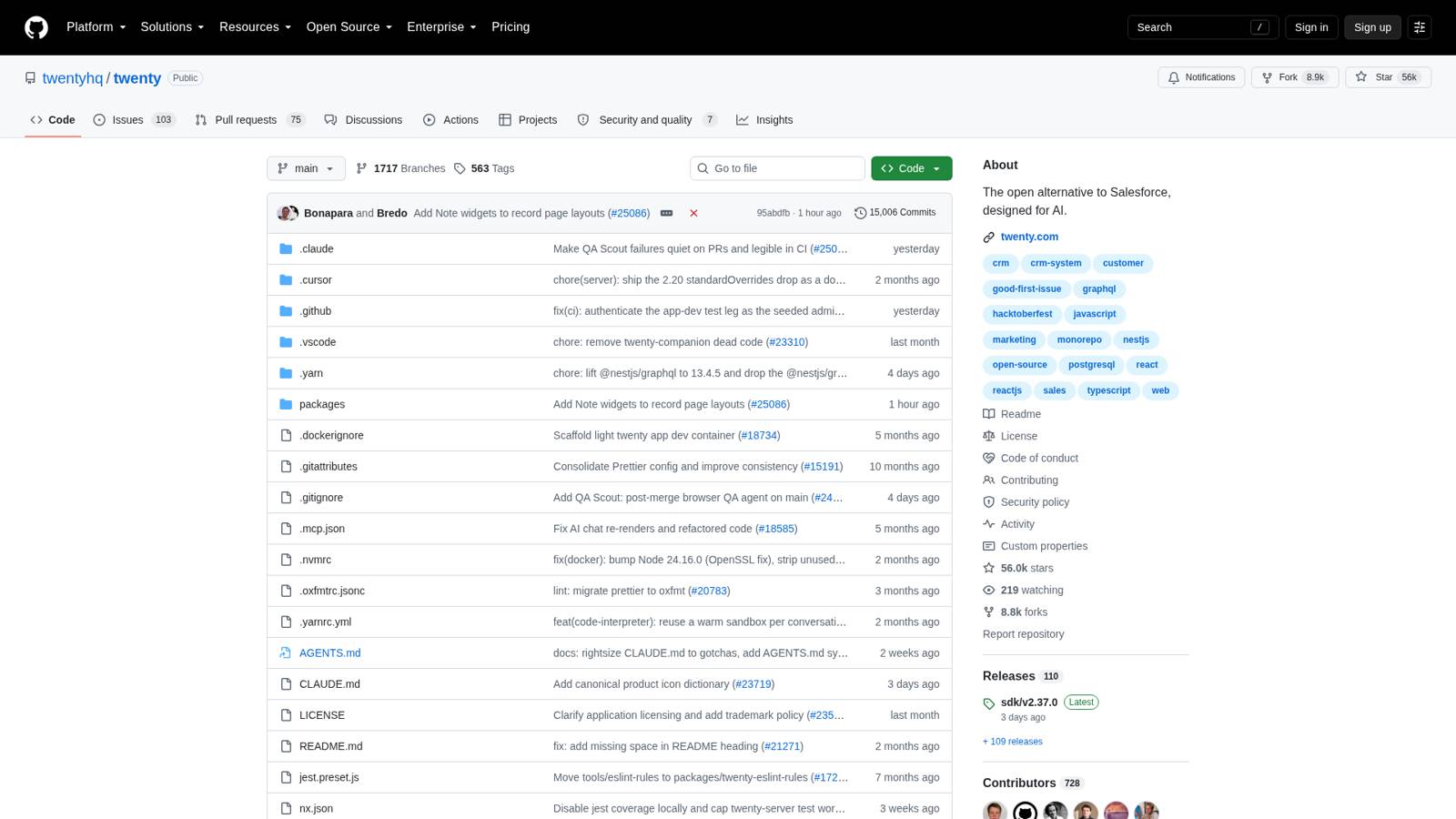
GitHub labels the licence Other because some files are commercial. The bulk of the code is AGPL-3.0. Twenty Cloud Pro is $9 a user a month.
But:
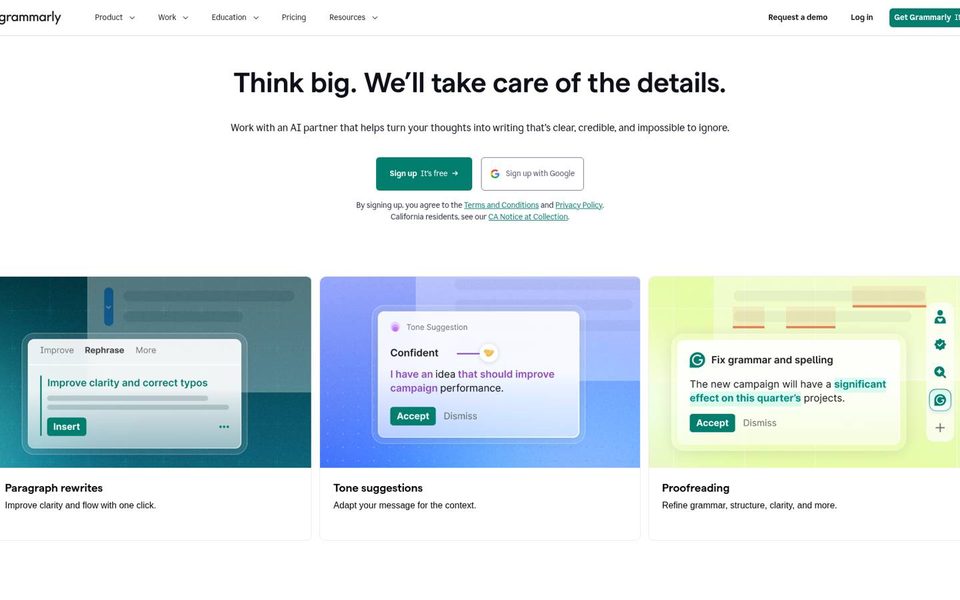
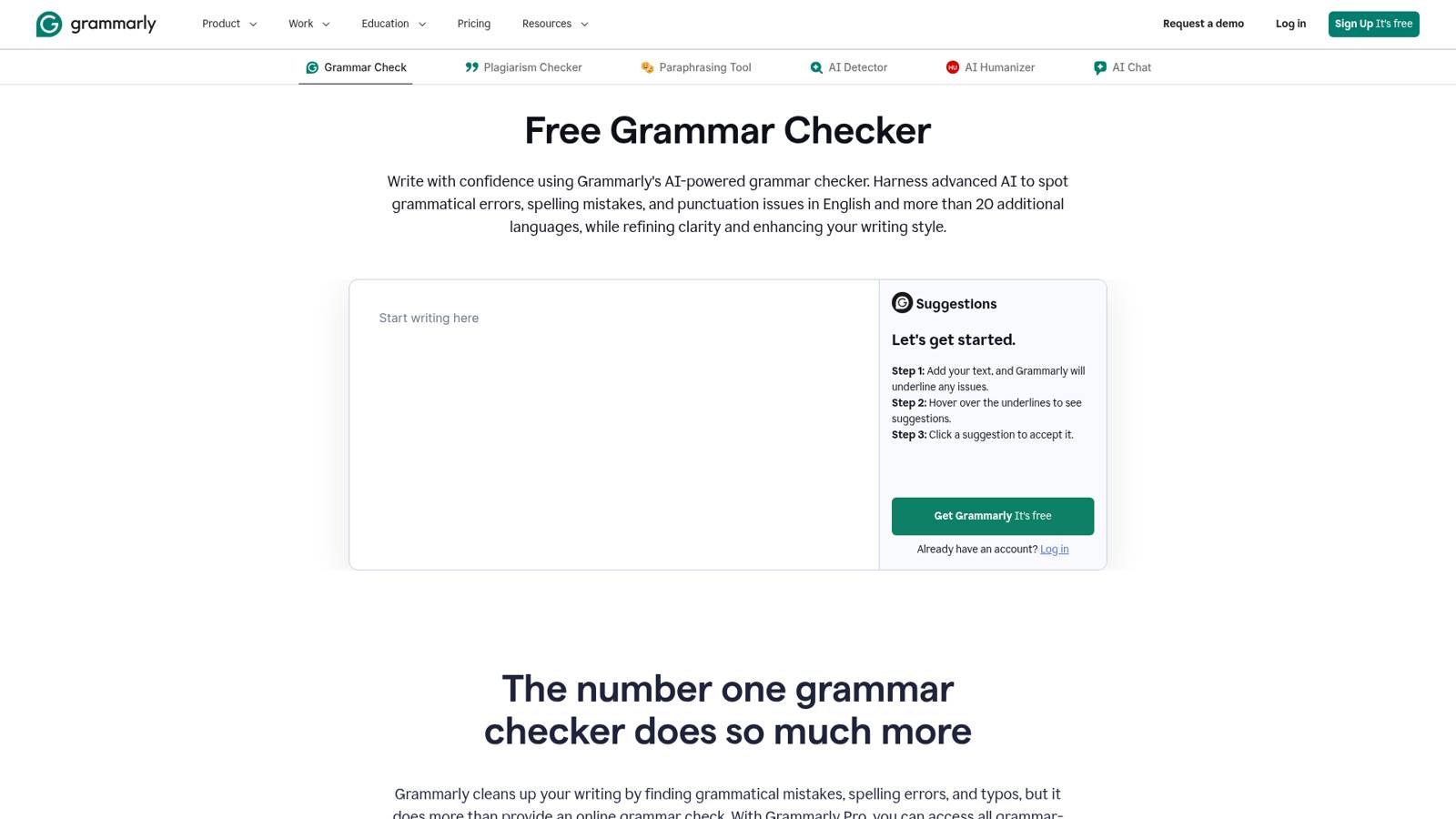
Grammarly keeps trying to upsell you.
Every time you use it they are promoting and pushing the paid version.
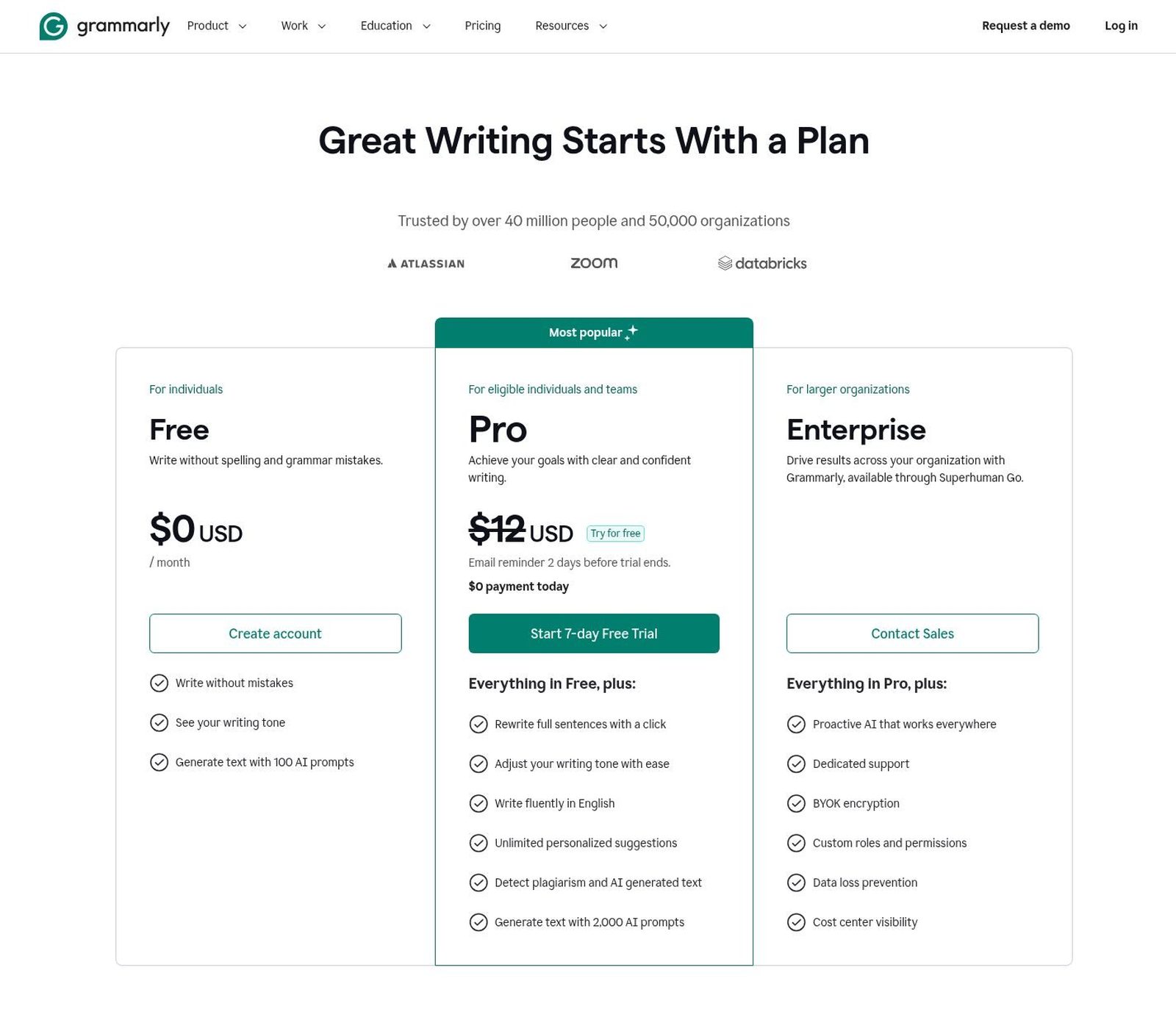
Grammarly Pro is $144 a member a year.
Then a team put a writing checker on GitHub.
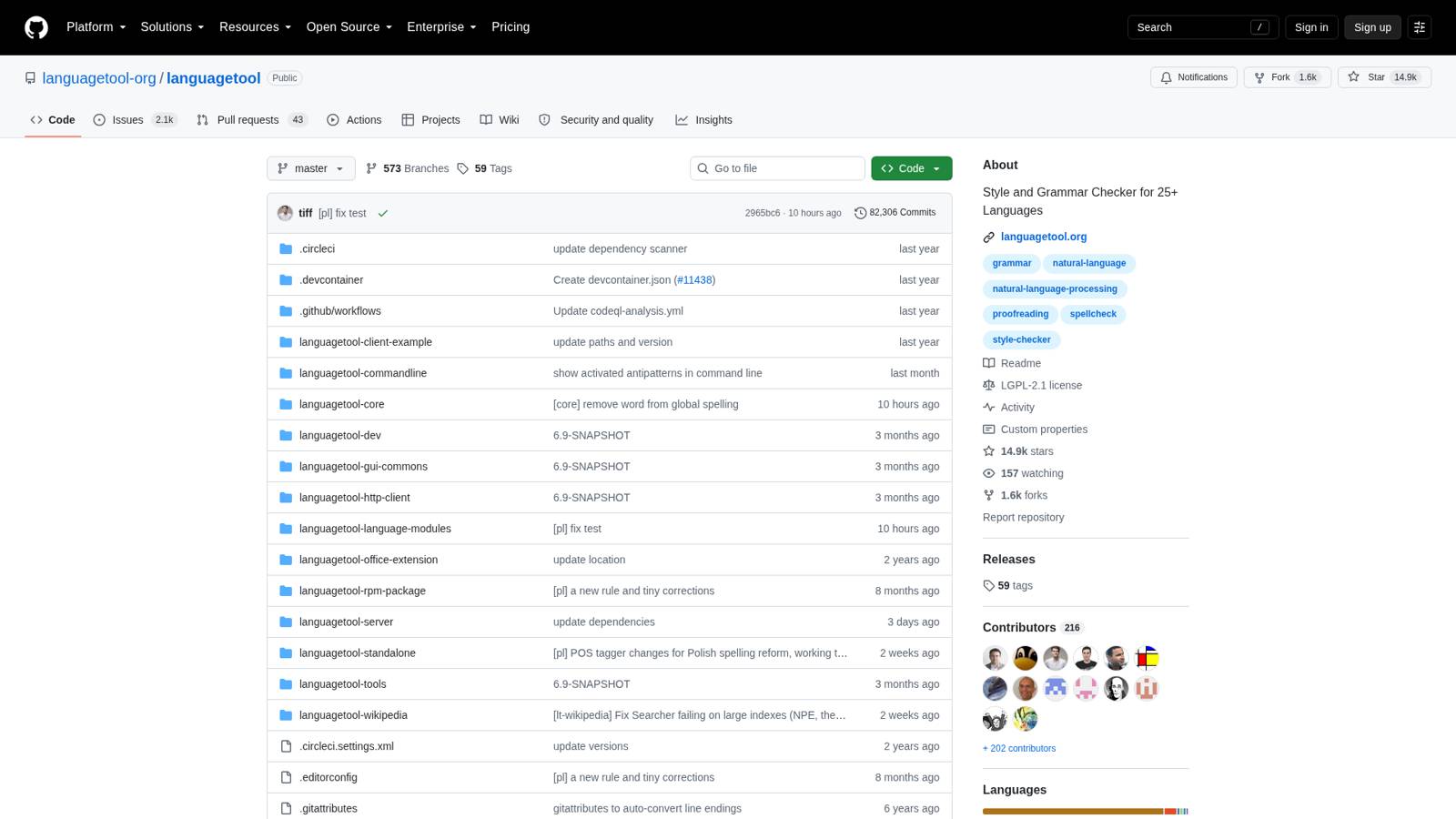
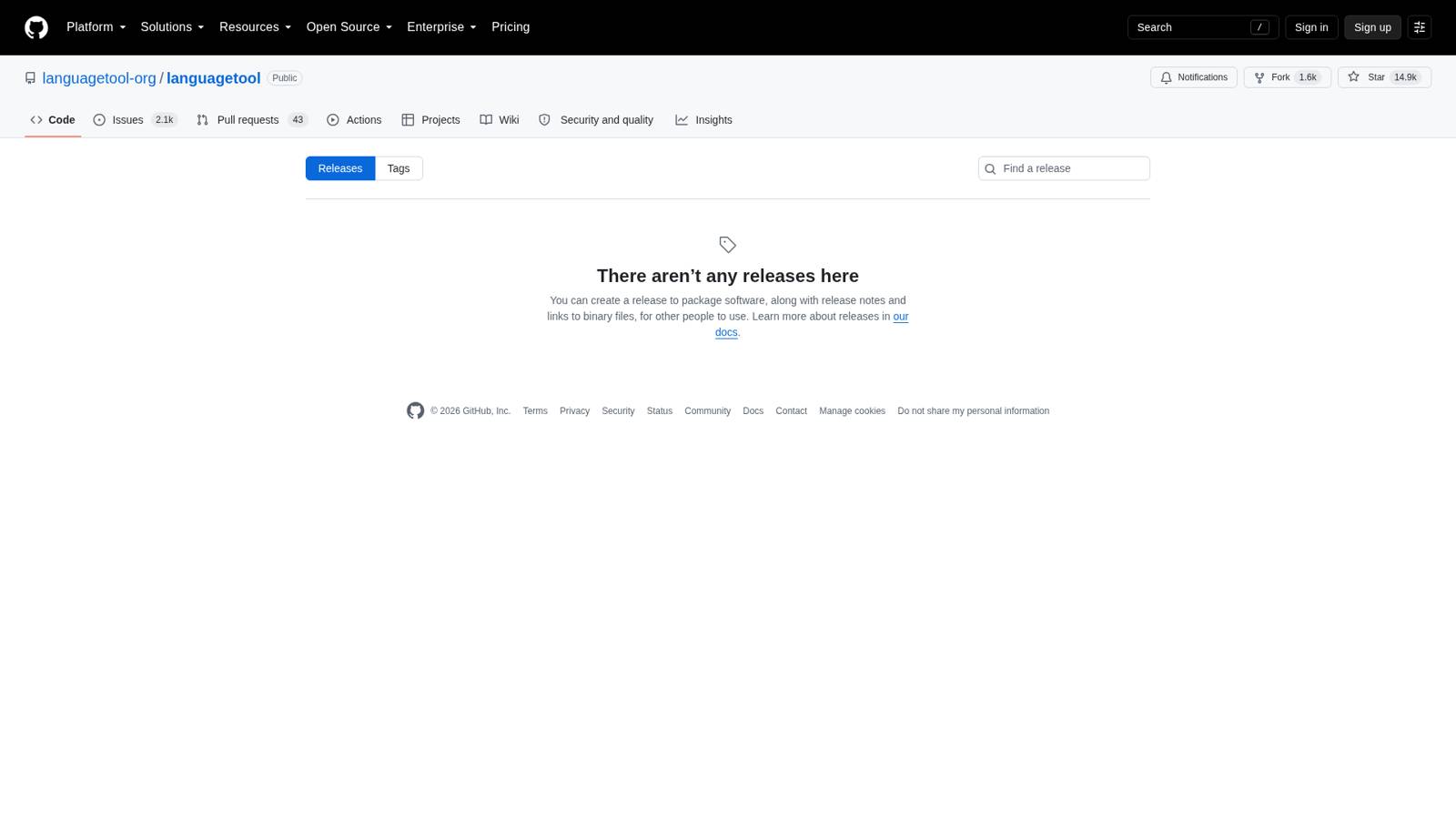
LanguageTool is the open source writing checker. It works in more than 30 languages.
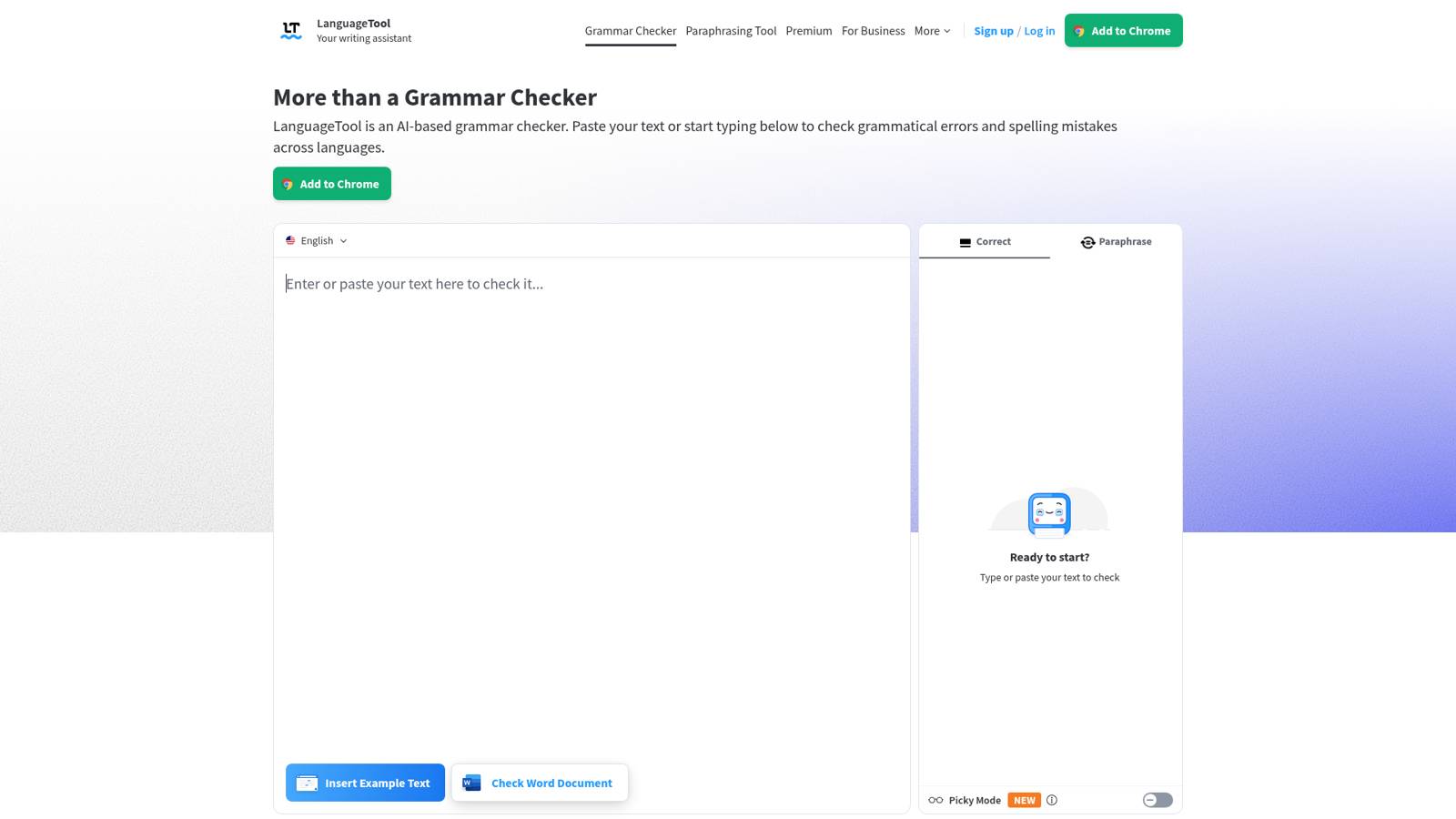
You can run the checker on your own machine.
Point the browser add-on at a local server.
Your sentences do not have to leave the room.
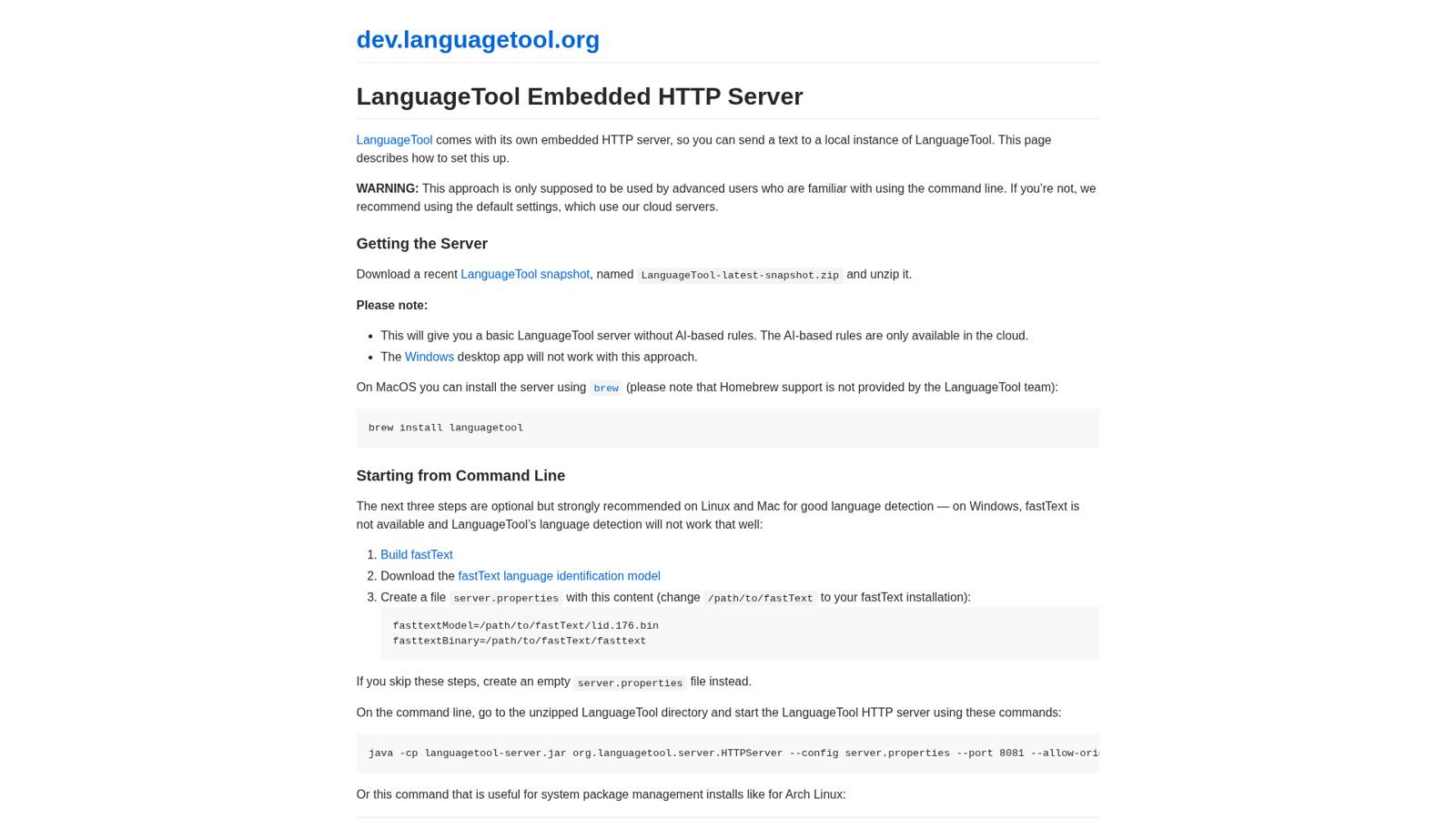
The free self-hosted copy does not include LanguageTool's paid rules or the AI paraphraser. Those stay on their cloud. Grammarly still wins English tone. LanguageTool wins the other languages.
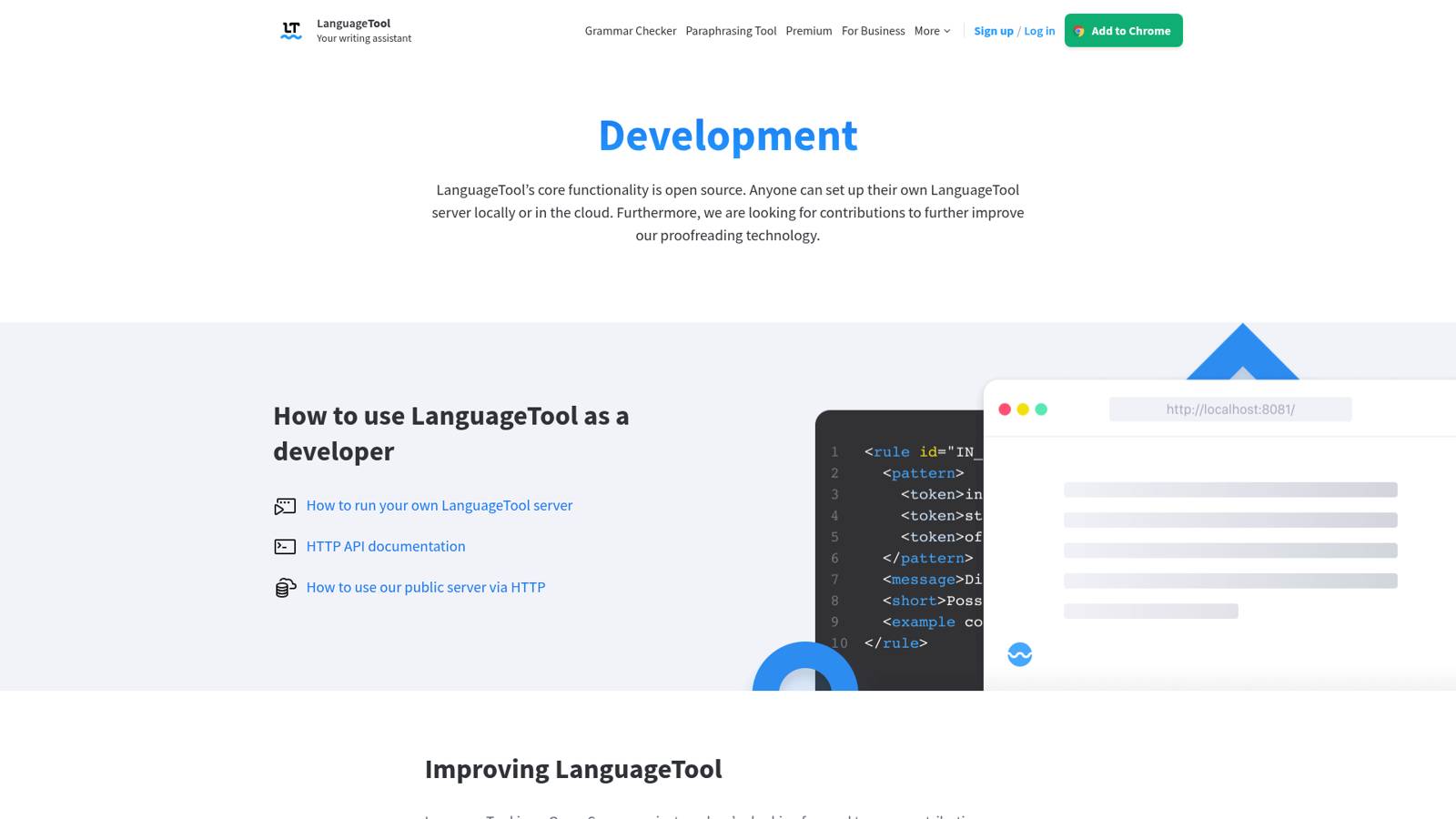
Here is what LanguageTool ships:
Worth Noticing:
Grammarly Pro (as well as LanguageTool's own paid Premium tier) uses proprietary, closed-source AI models to offer complex sentence rewrites, tone detection, and fluency improvements.
The local version cannot perform these deep structural rewrites.
But:
Google gets every visit.
Google gets the page they lingered on.
Google gets the campaign that brought them.
The standard product is free. The cost is the data.
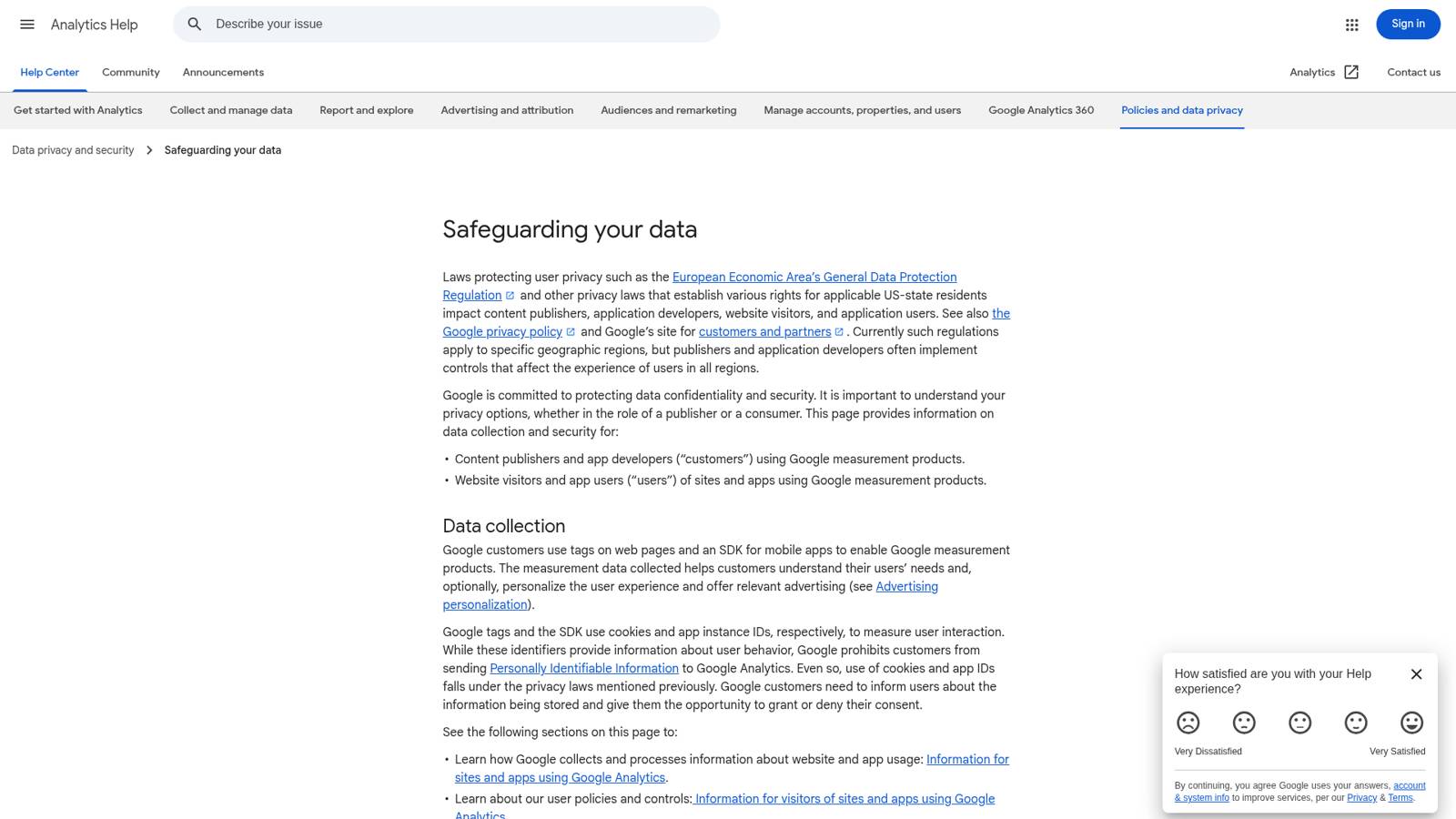
Free, until they own every visitor.

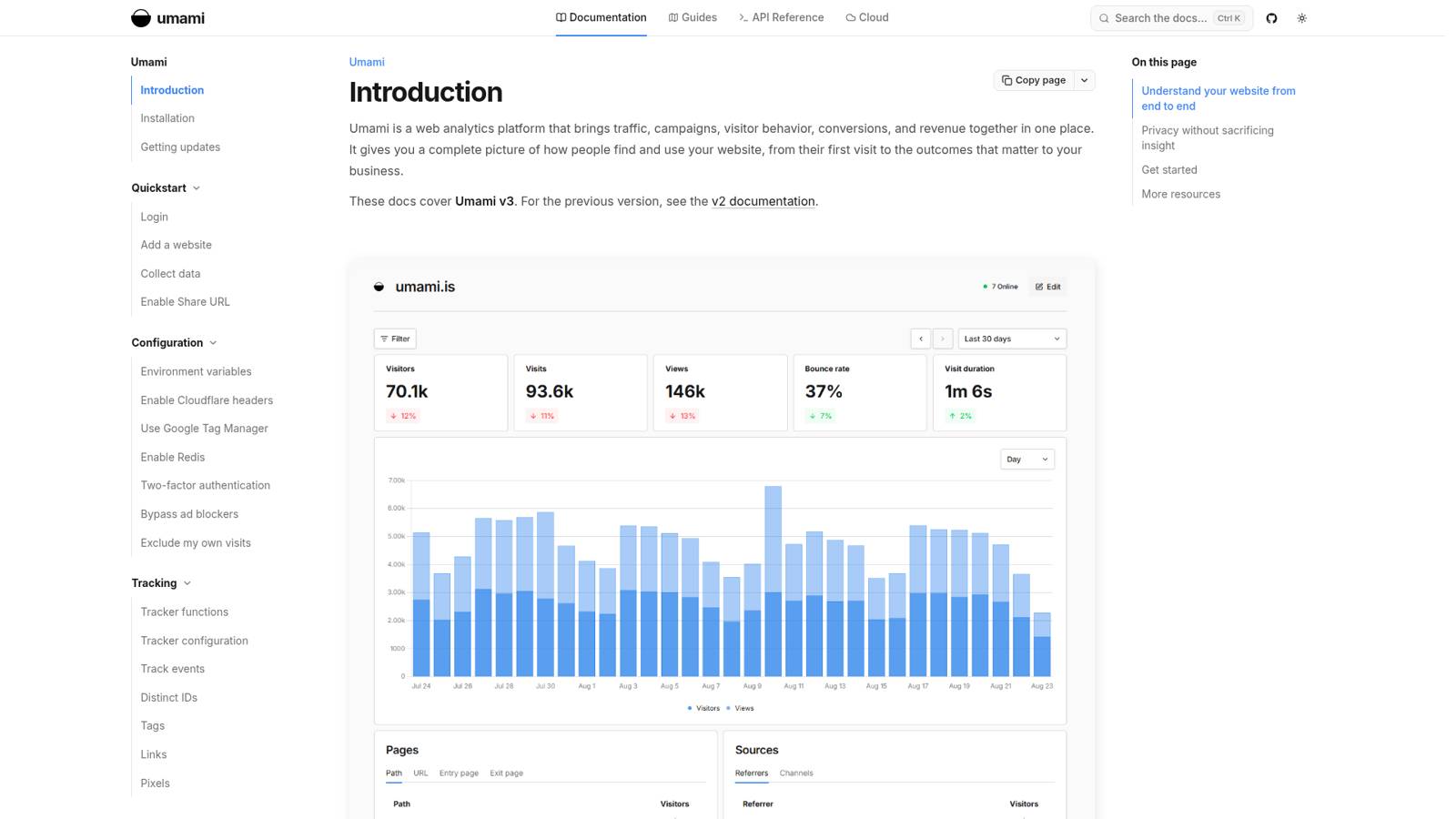
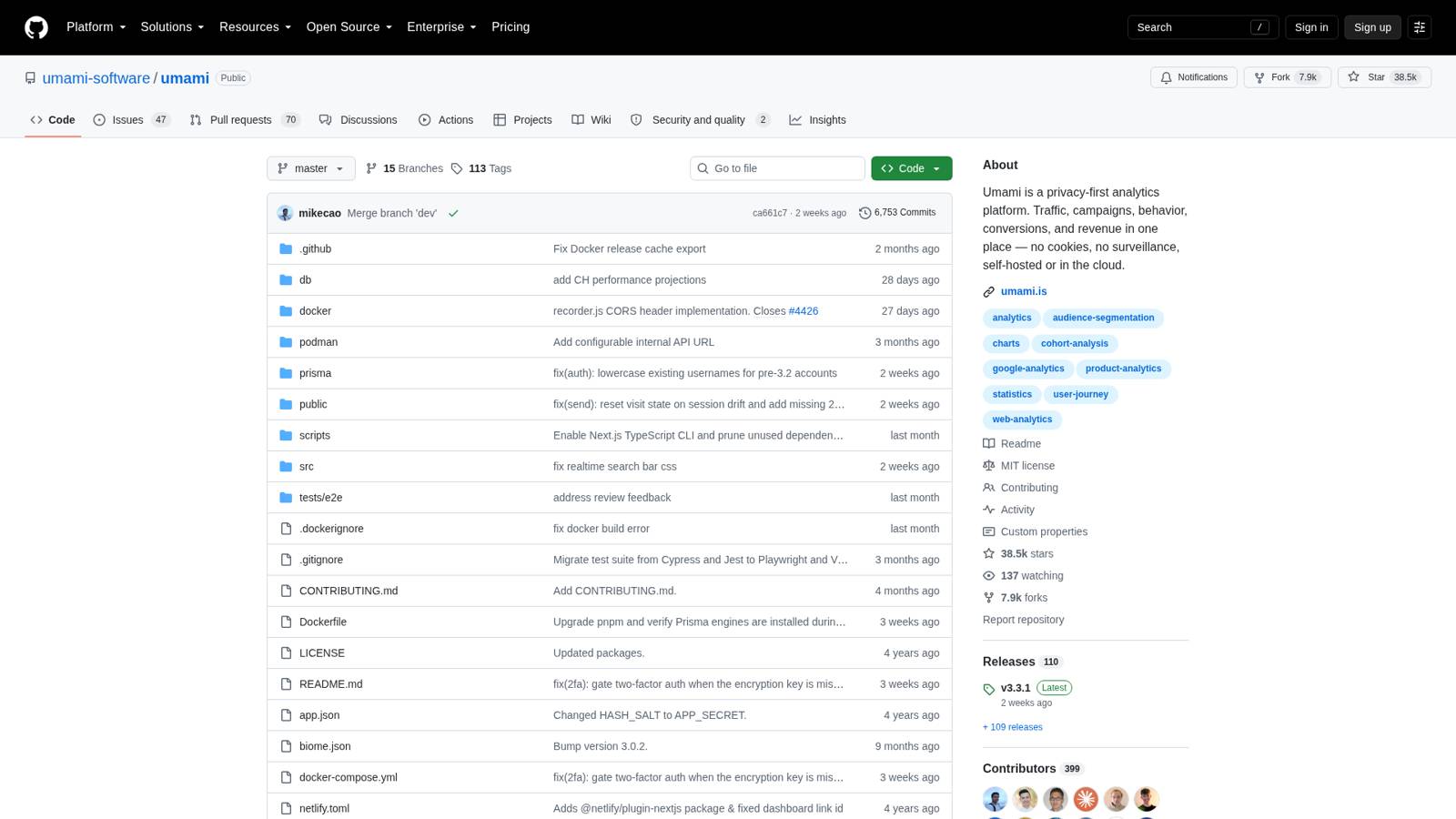
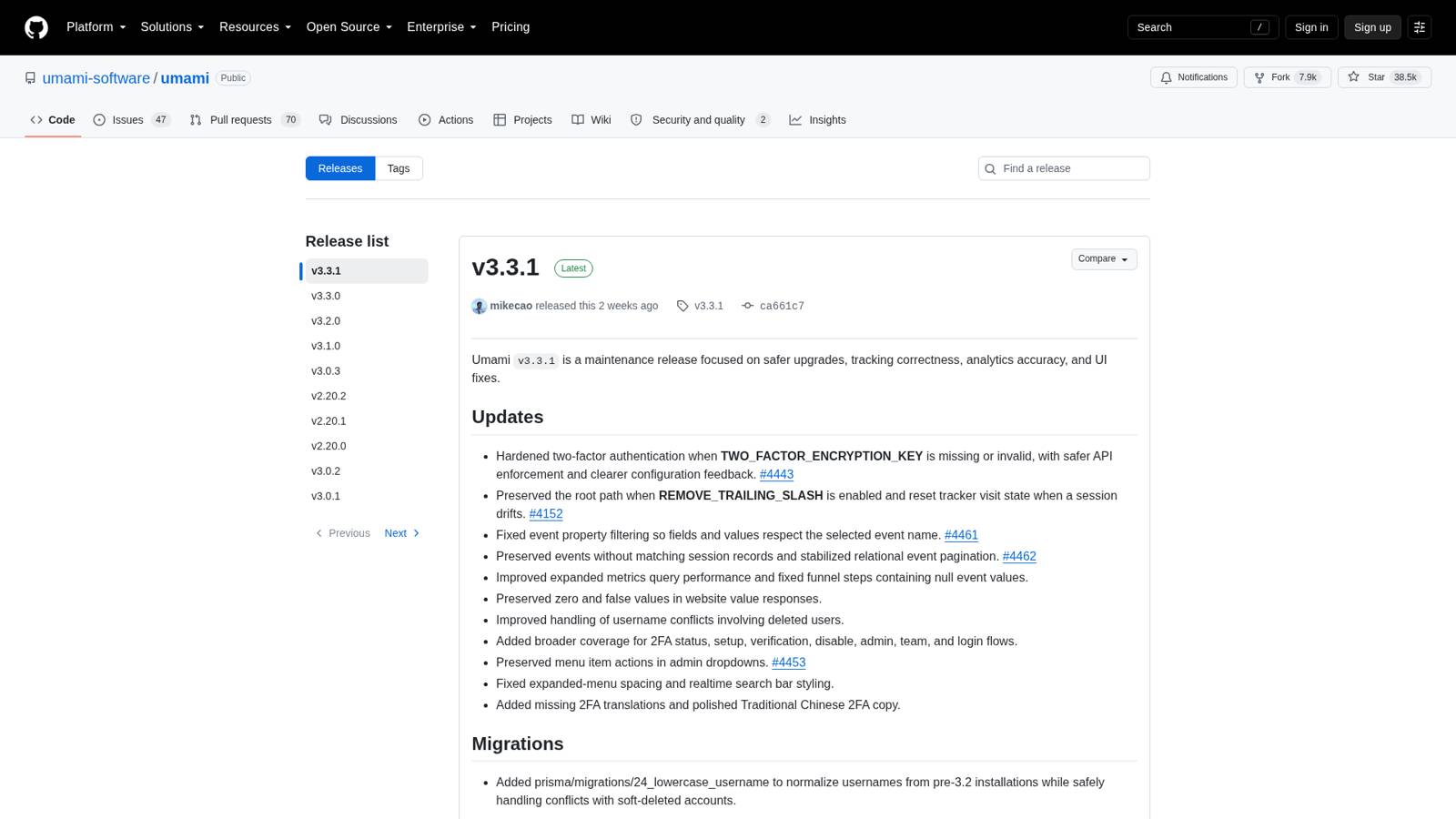
No cookies. No personal data collected by default.
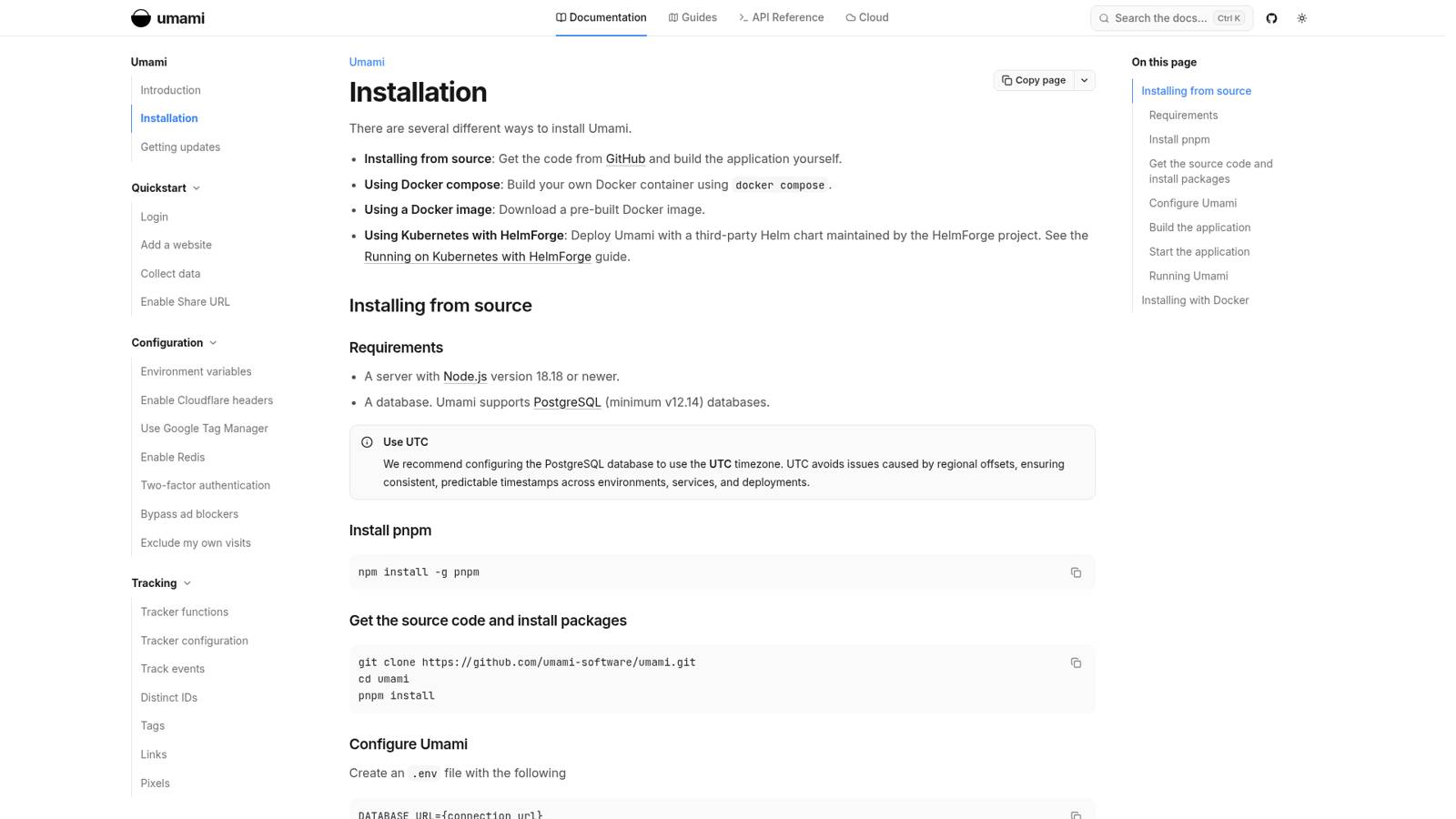
Traffic, campaigns, behavior, and conversions on a box you host.
Or on their cloud, if you do not want to run a server.
Umami:
Worth Noticing:
W3Techs still has Google Analytics on about half the web. You still have to add the script and keep the box healthy.
But:
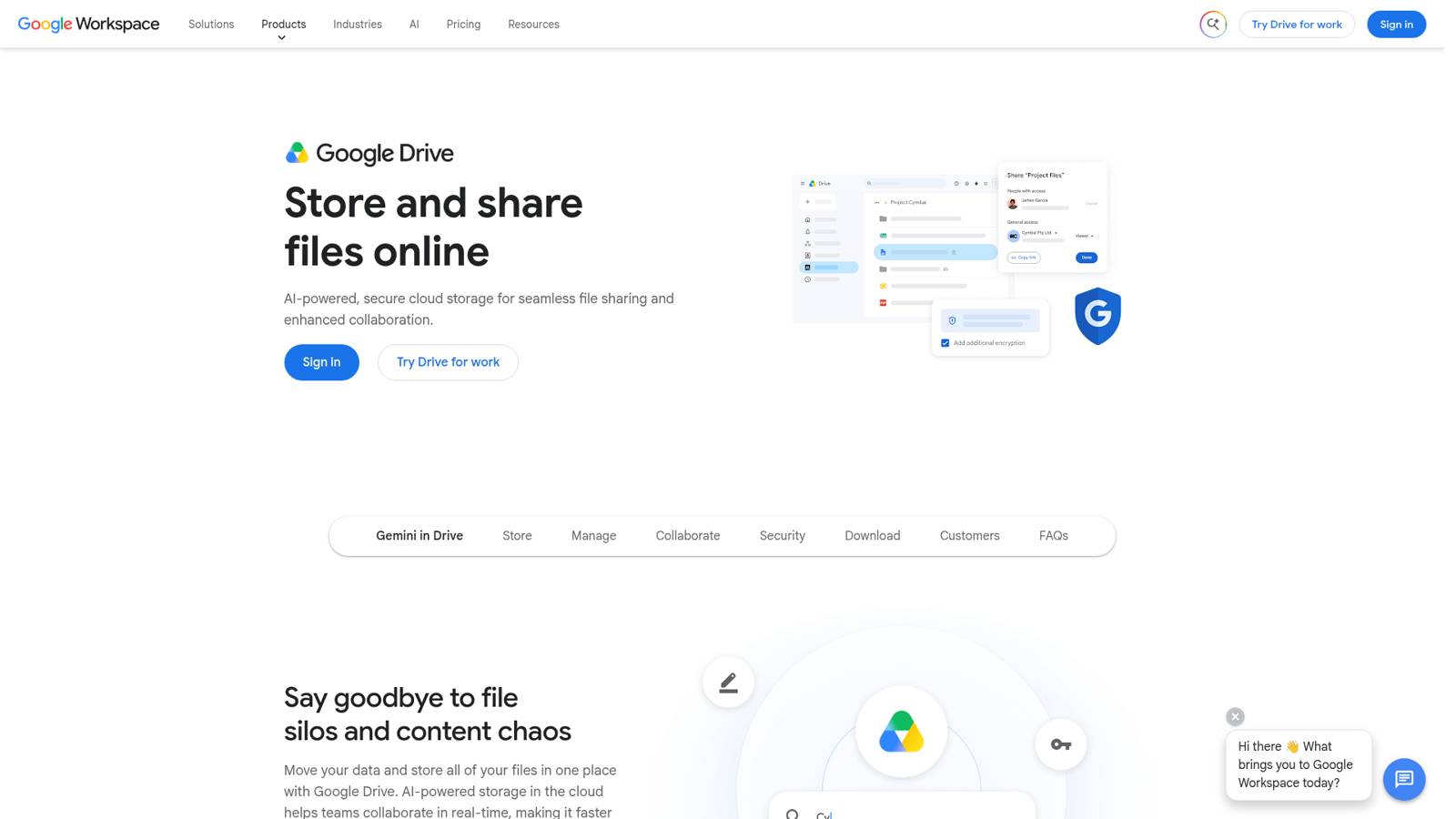
Your files live in Google Drive.
Your contracts live in Google Drive.
And if they change the rules, you need to leave, which is hard.

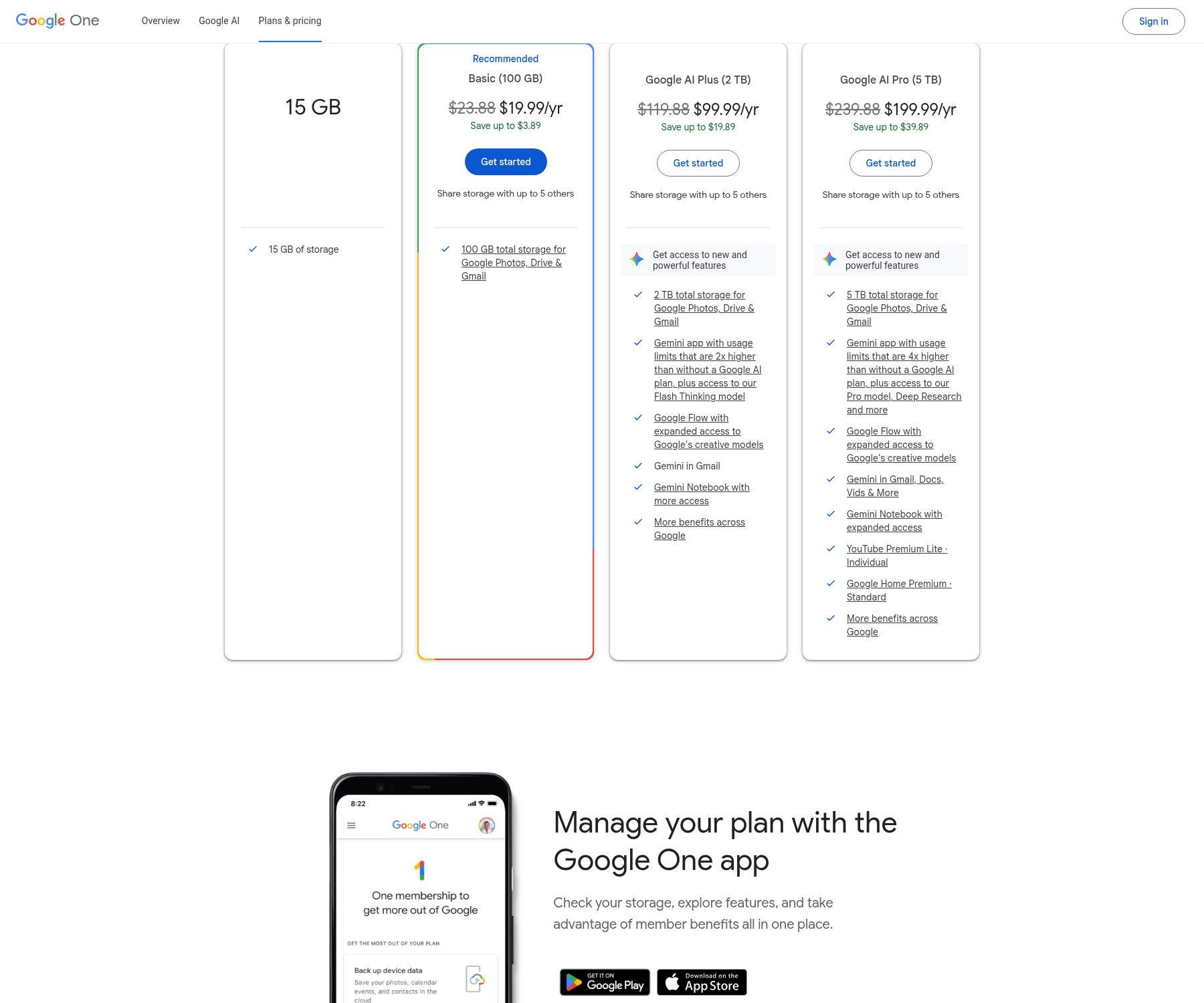
Google AI Pro is $199.99 a year for 5 TB.
You put the files on a machine you can point at.
It syncs with phones and laptops.
You share a link with access you control.
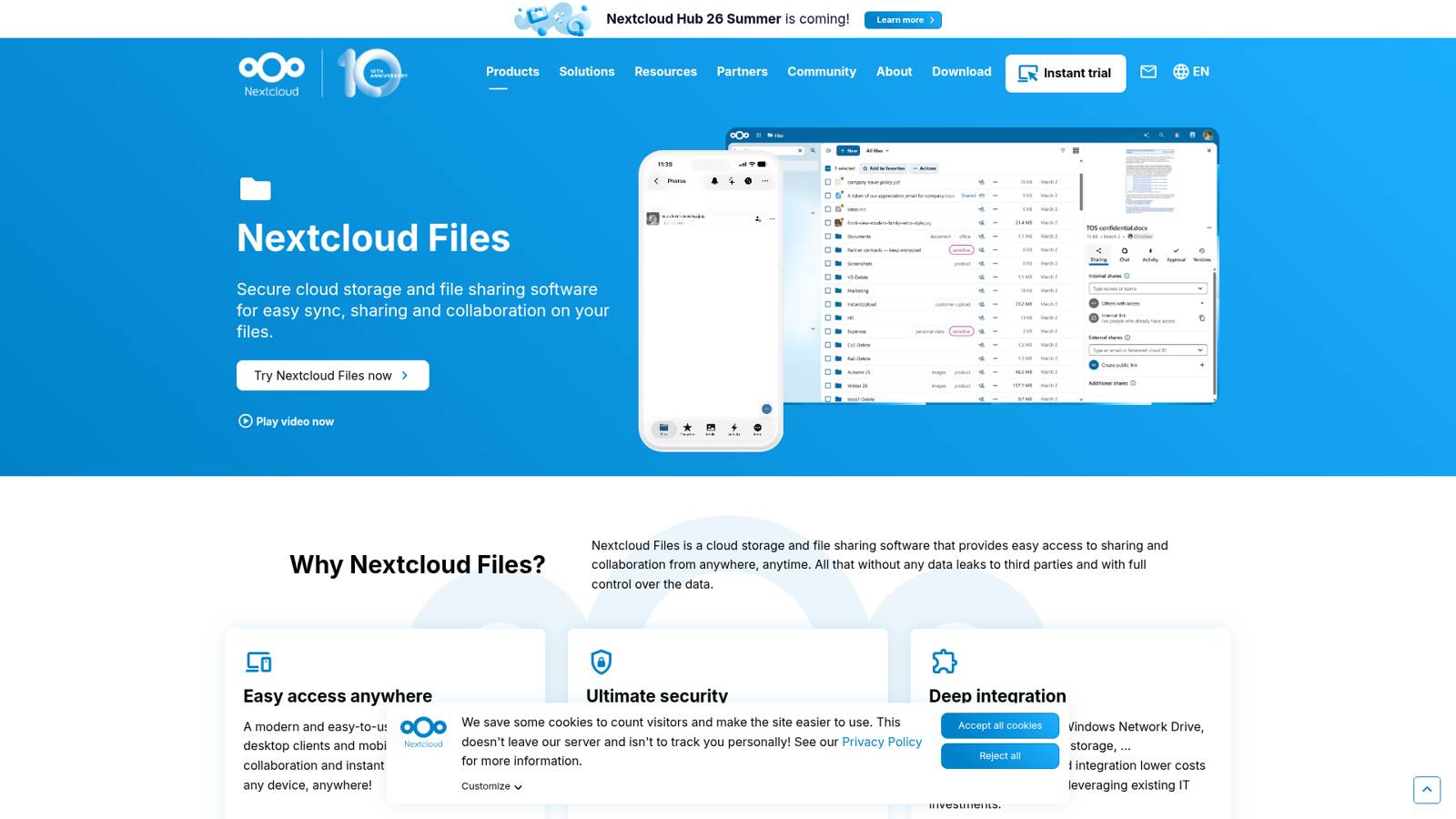
You become the person who keeps it running. End-to-end encryption is not finished. Desktop sync can be buggy. If nobody on the team wants to own upgrades, the Google seat was buying you an operations department.
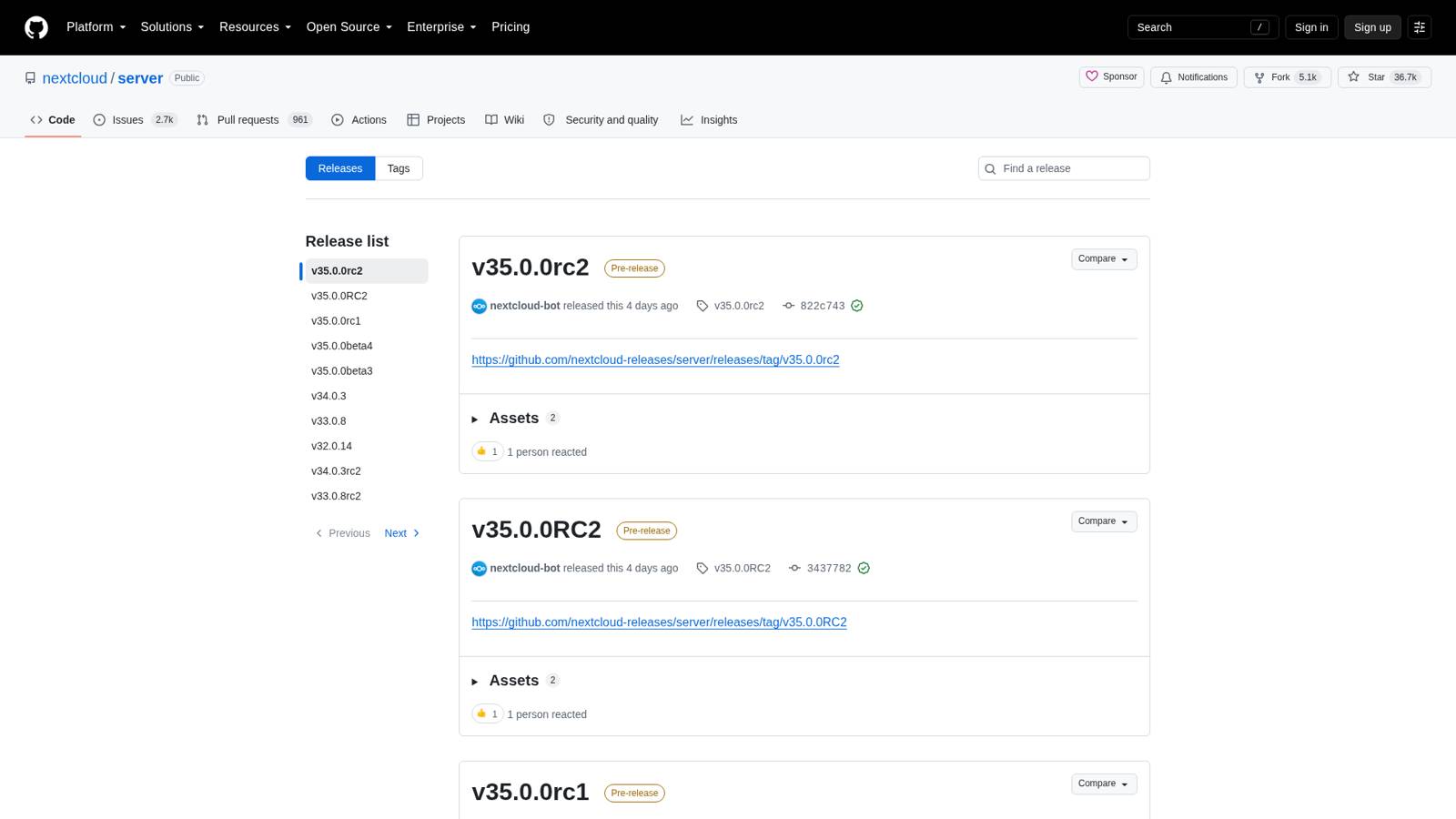
Here is what Nextcloud ships:
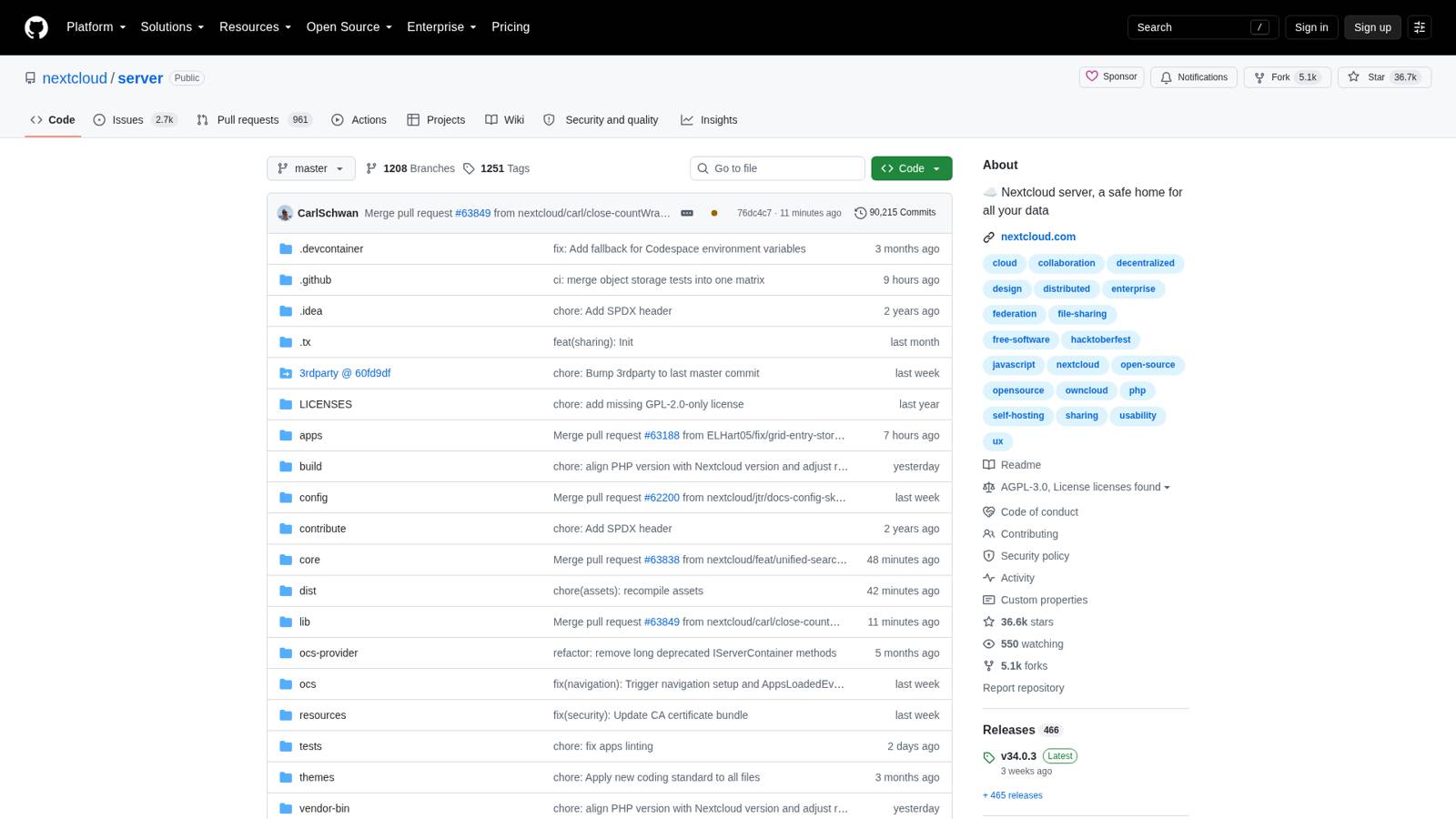
Worth Noticing:
Self-hosting is the real product, and it is an ops job. You patch it. You back it up. You get HTTPS right. Nextcloud GmbH will sell you enterprise support and a hosted option if you do not want that job.
But:
You have to pay for every person who answers your customers.
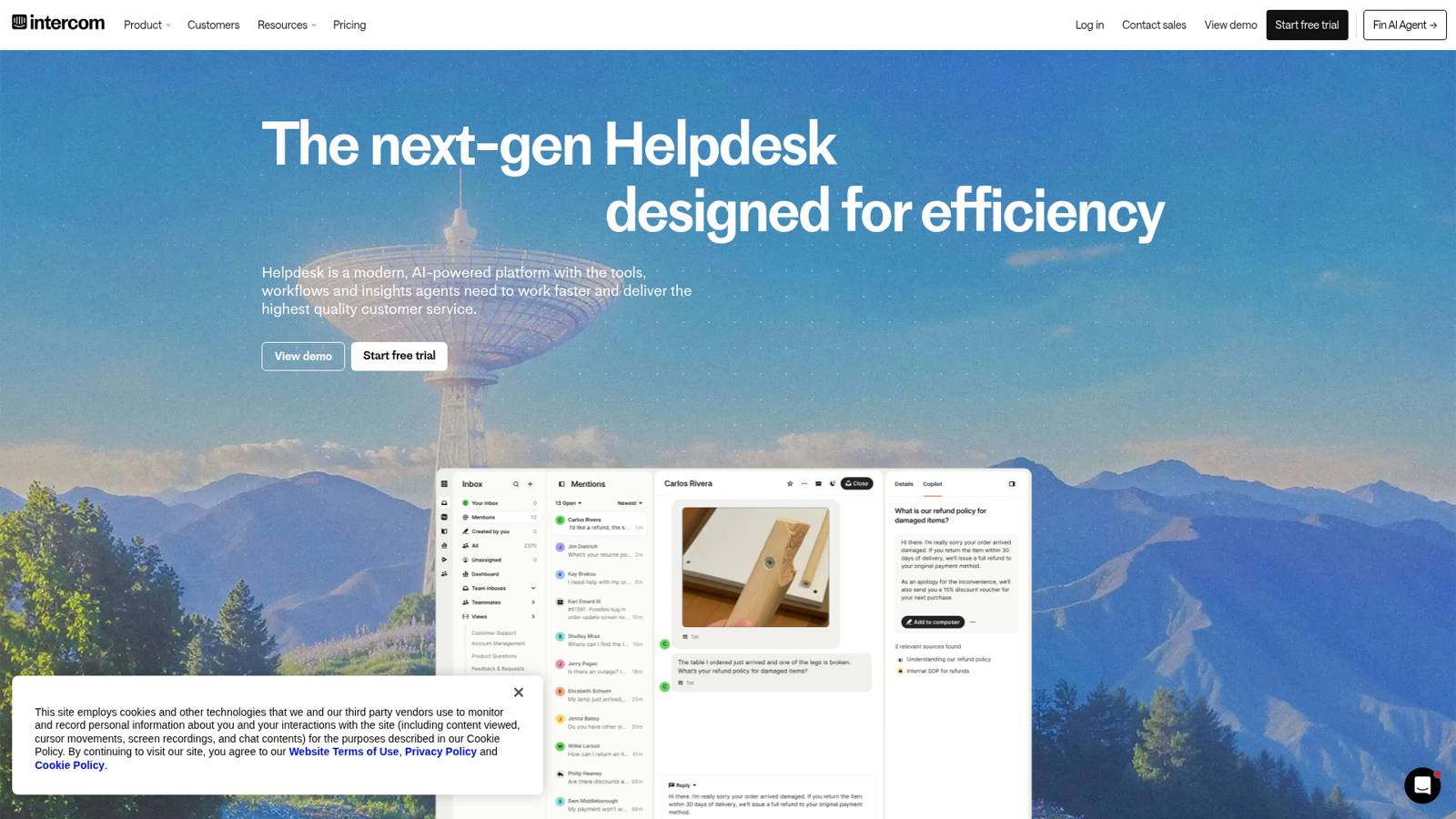
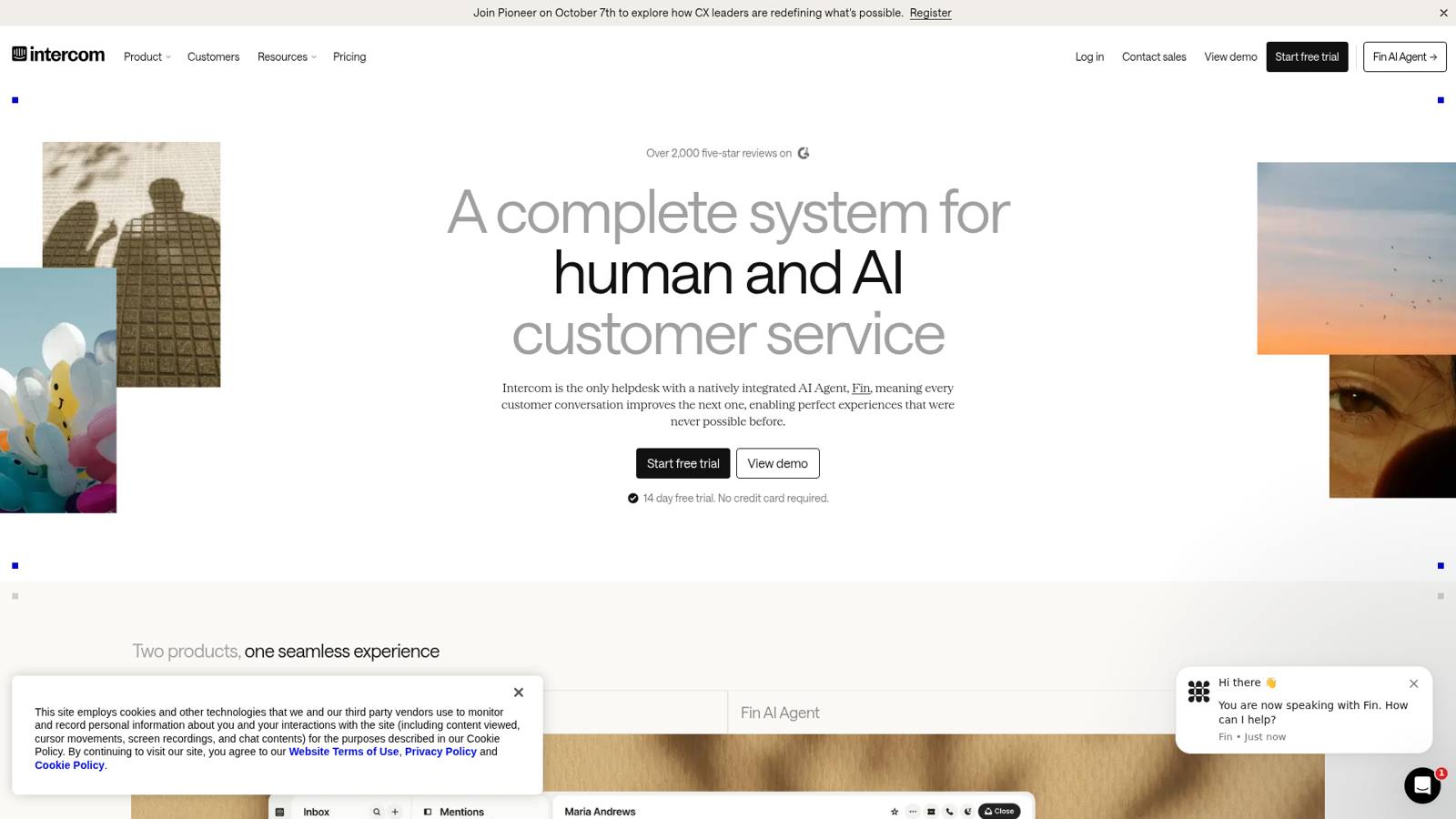
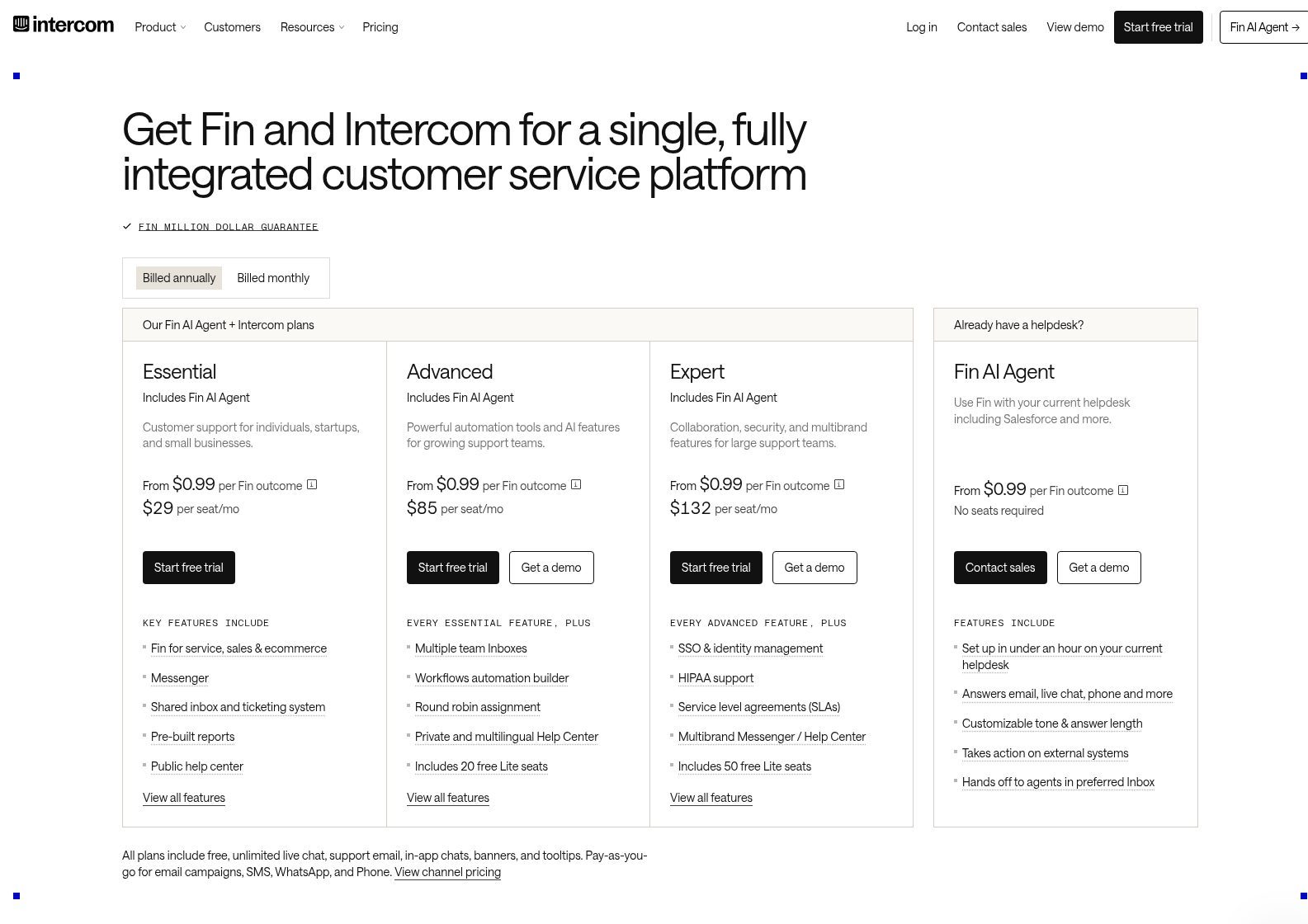
The Intercom Expert plan is $1,584 a seat a year.
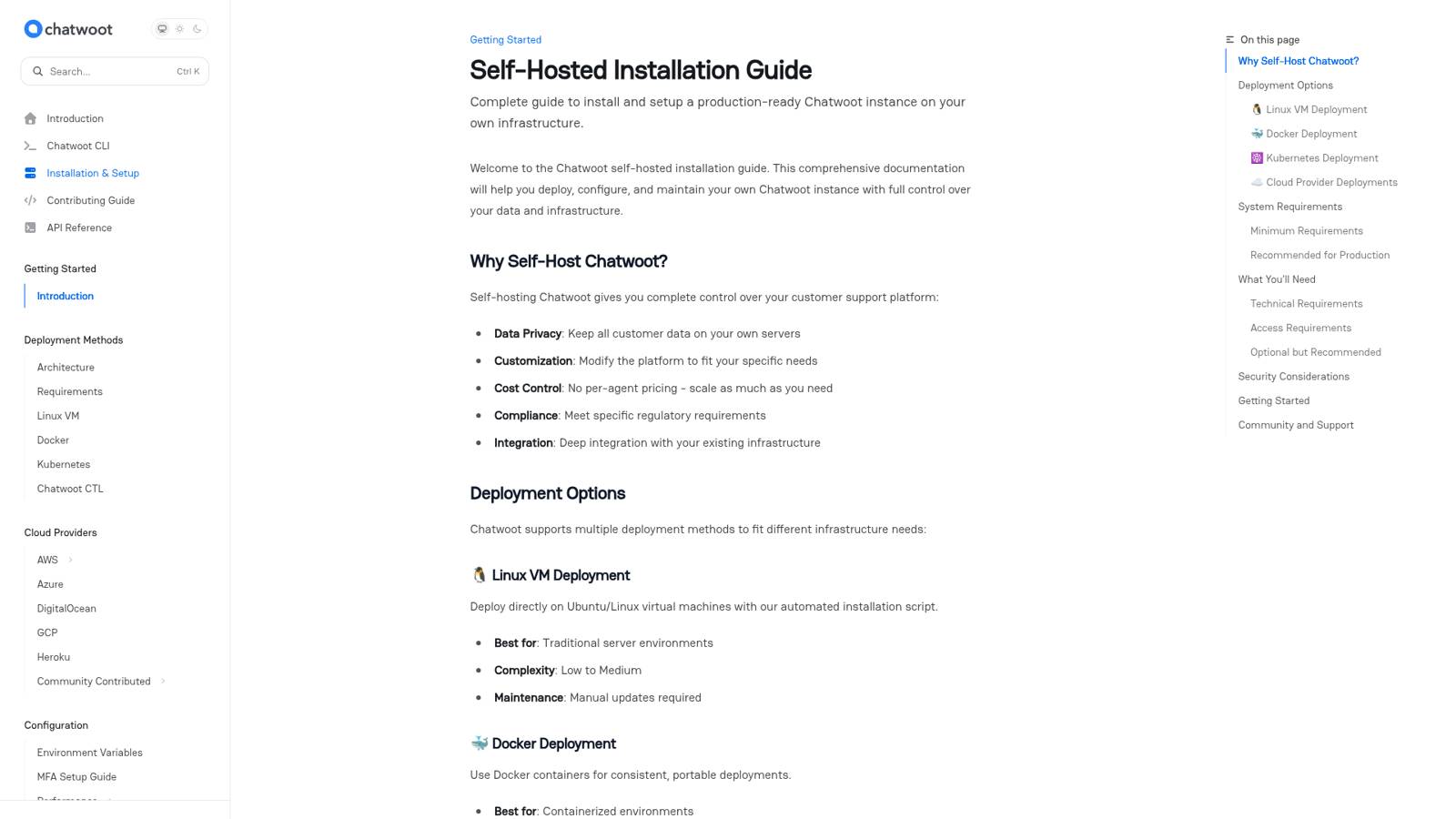
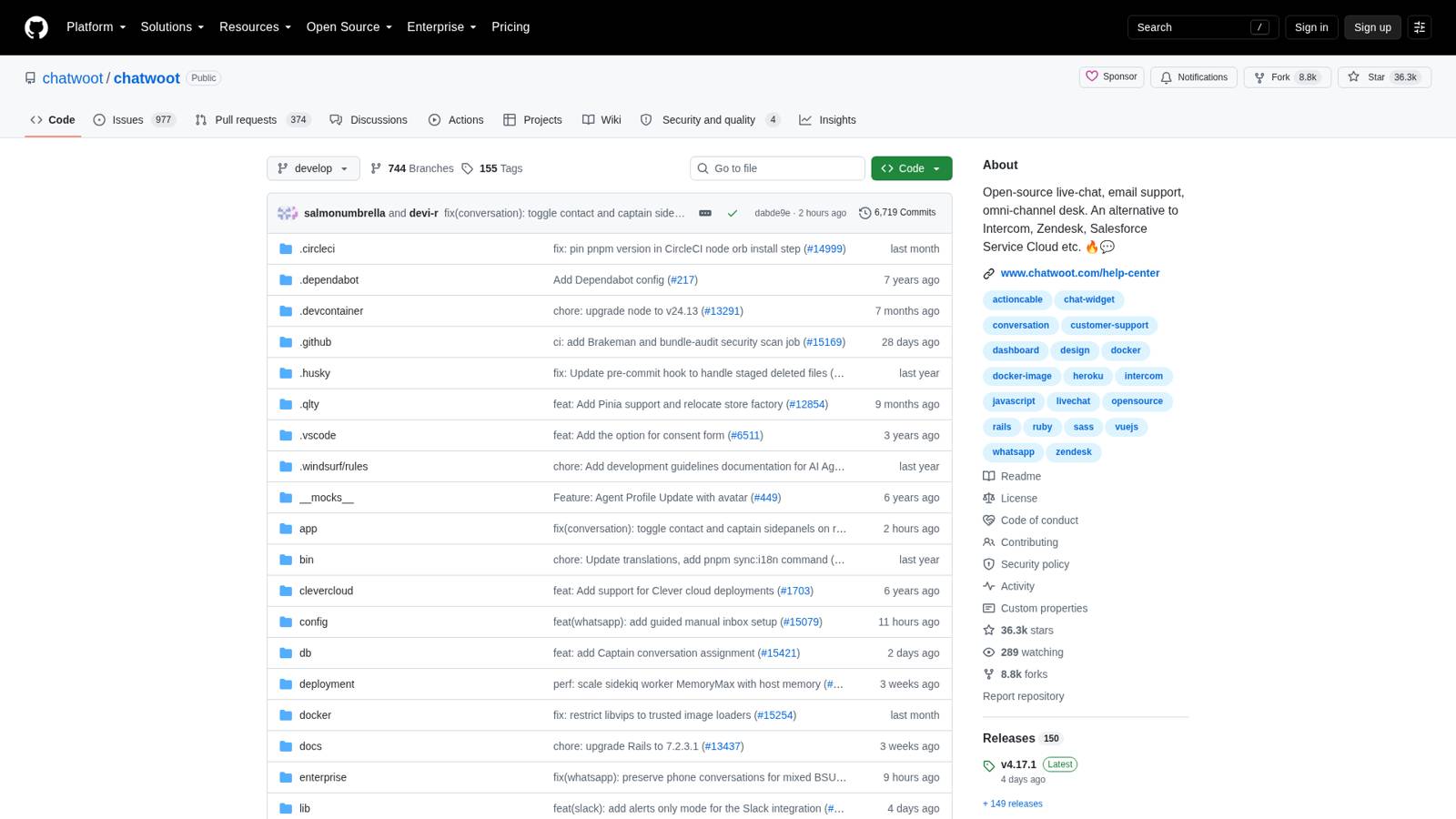
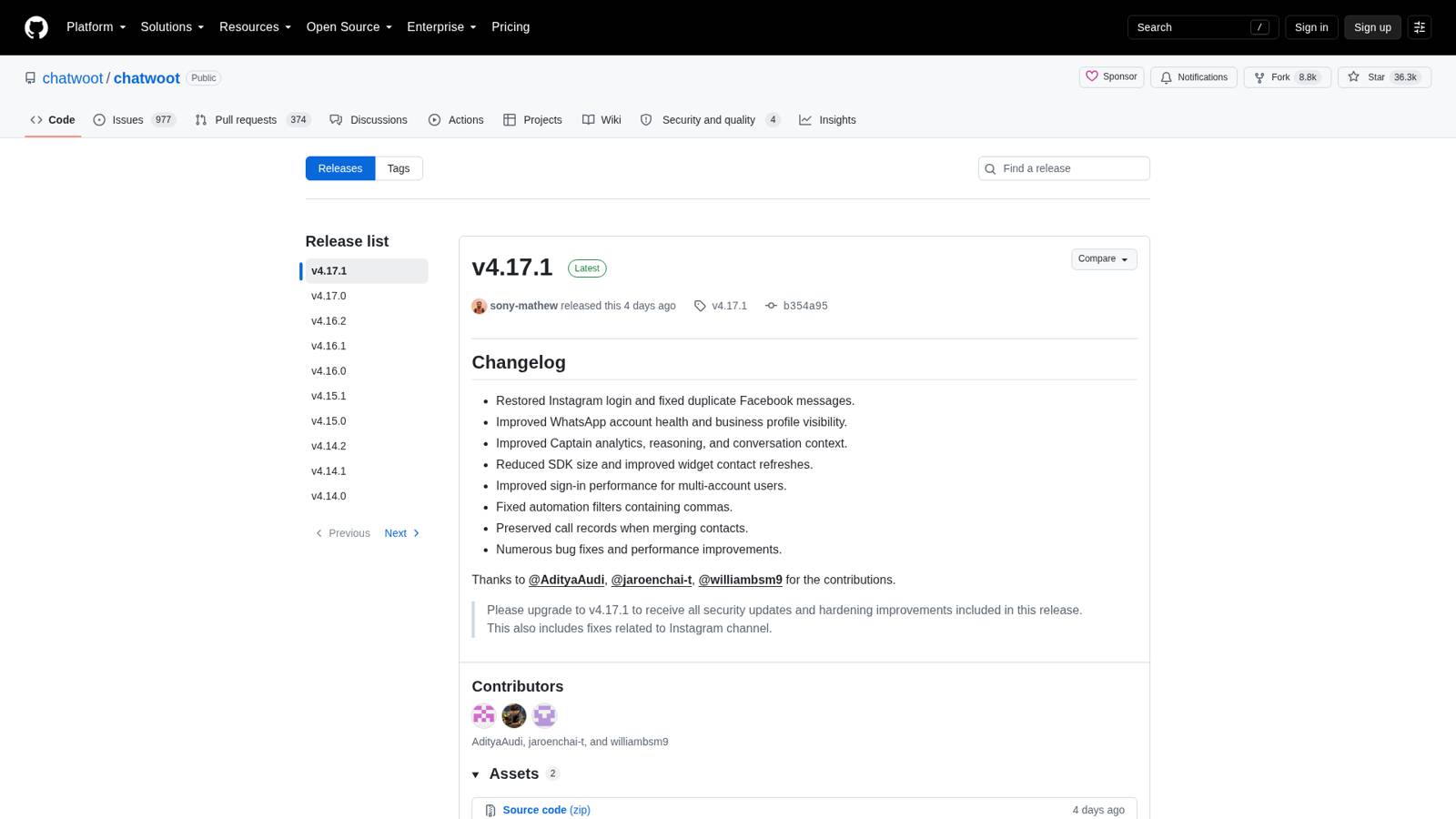
Chatwoot consolidates customer interactions from live chat, email, WhatsApp, and social media into a single view.
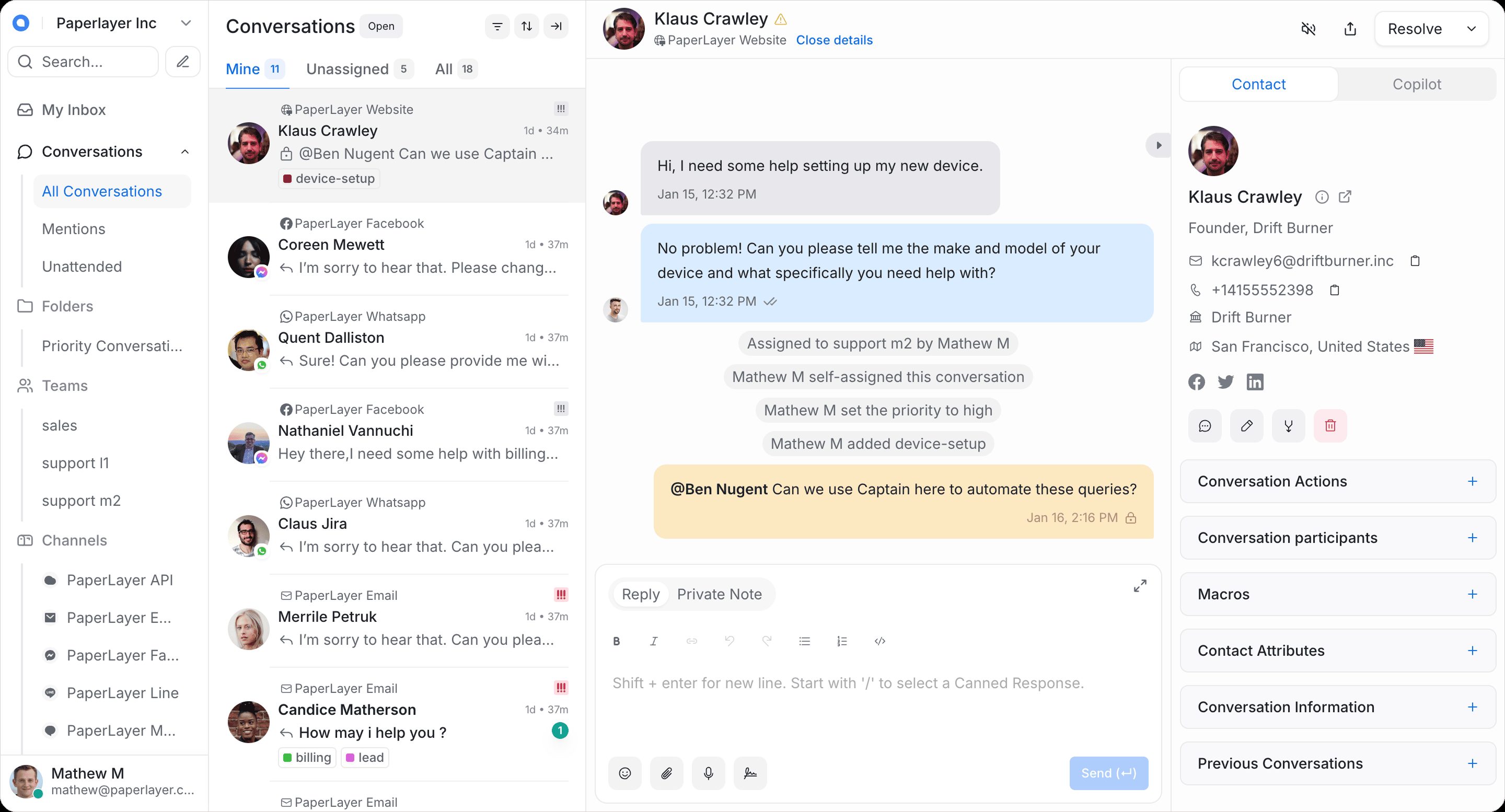
It is one inbox. Live chat on the site. Email. WhatsApp. Instagram. Telegram. The agent sees the person, not the channel. That is the Intercom job that actually hurts when it is expensive. Product tours and marketing campaigns are a different Intercom. Chatwoot does not win that fight.
Here is what Chatwoot ships:
Worth Noticing:
Think QuickBooks versus SlowBooks. The free core does the job. The extra bits cost money.
But:
The free Zoom meeting cuts off at 40 minutes.
A webinar is a separate bill.
Your "private" room still sits on Zoom's servers.
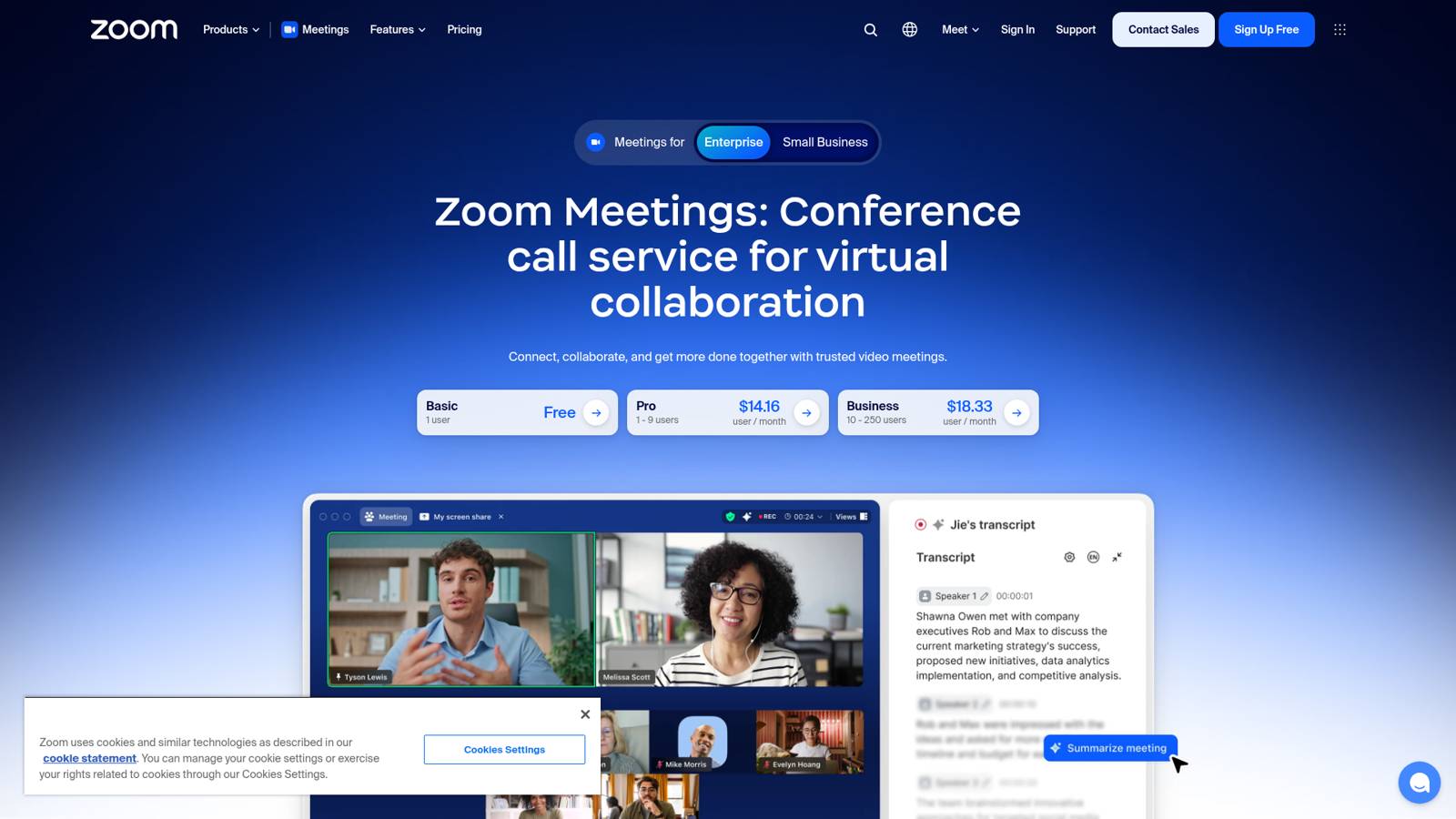
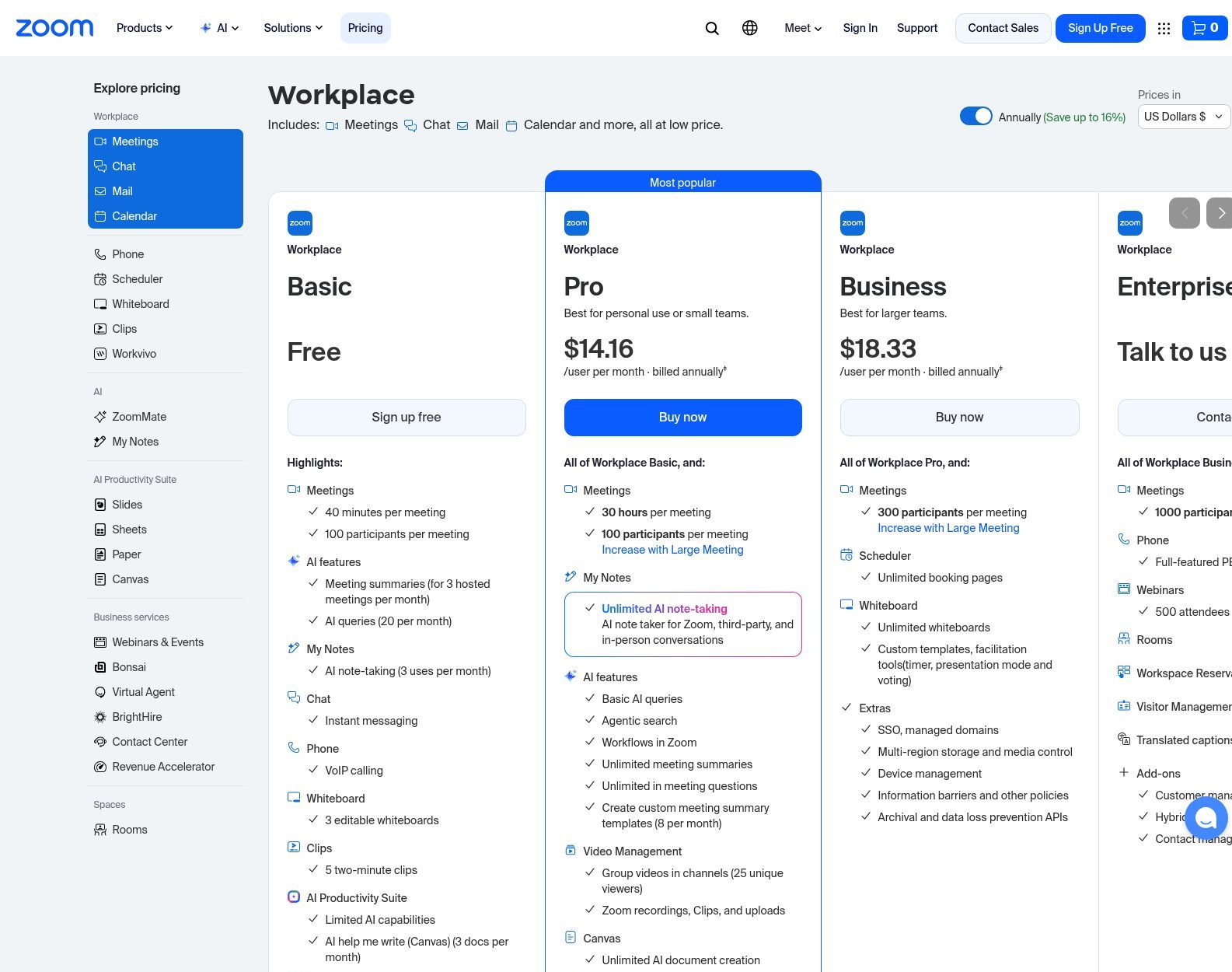
Zoom Pro is $170 a user a year.
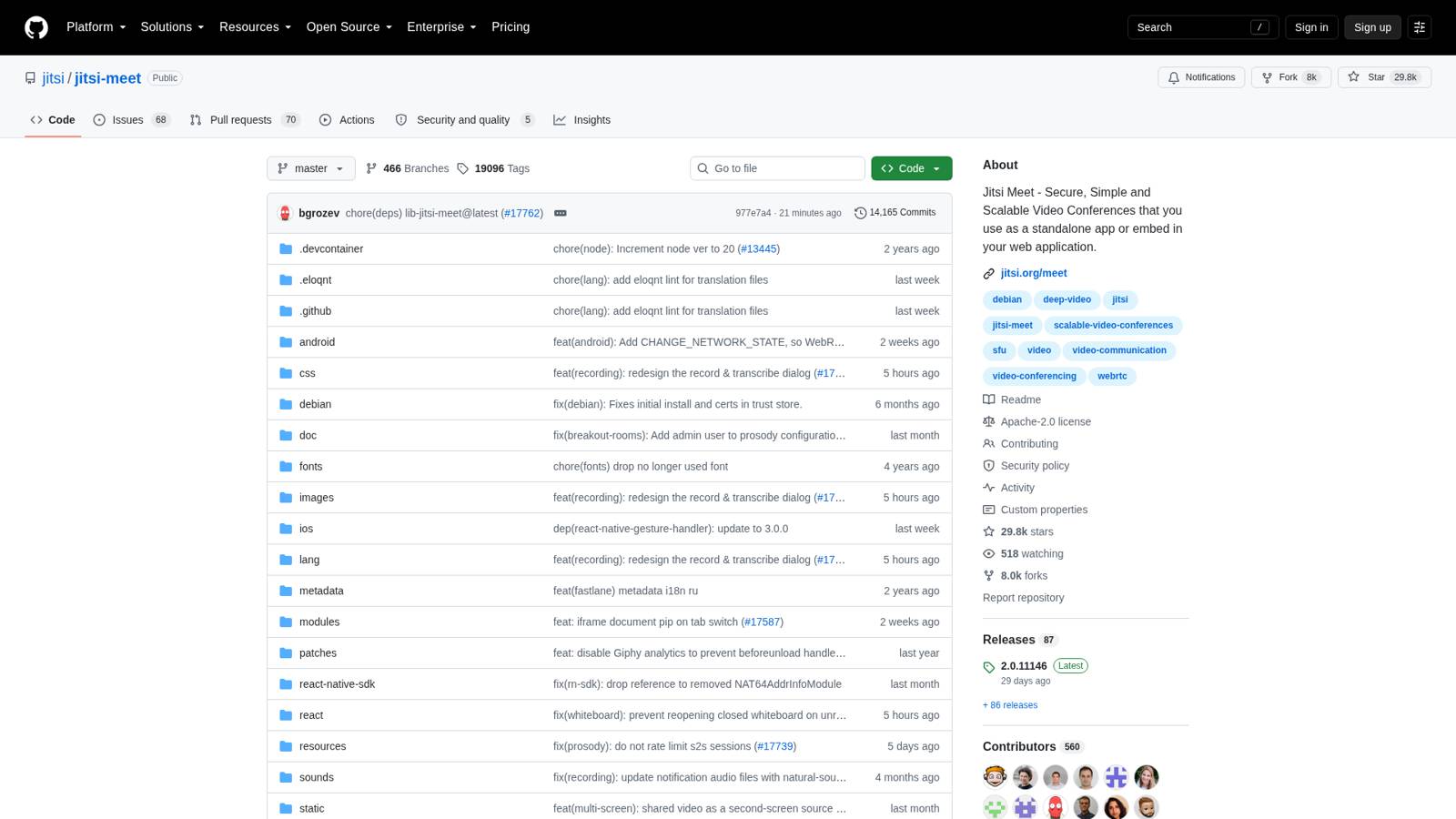
Meanwhile, Jitsi Meet has been on GitHub since 2013, and you can use it without buying a seat.
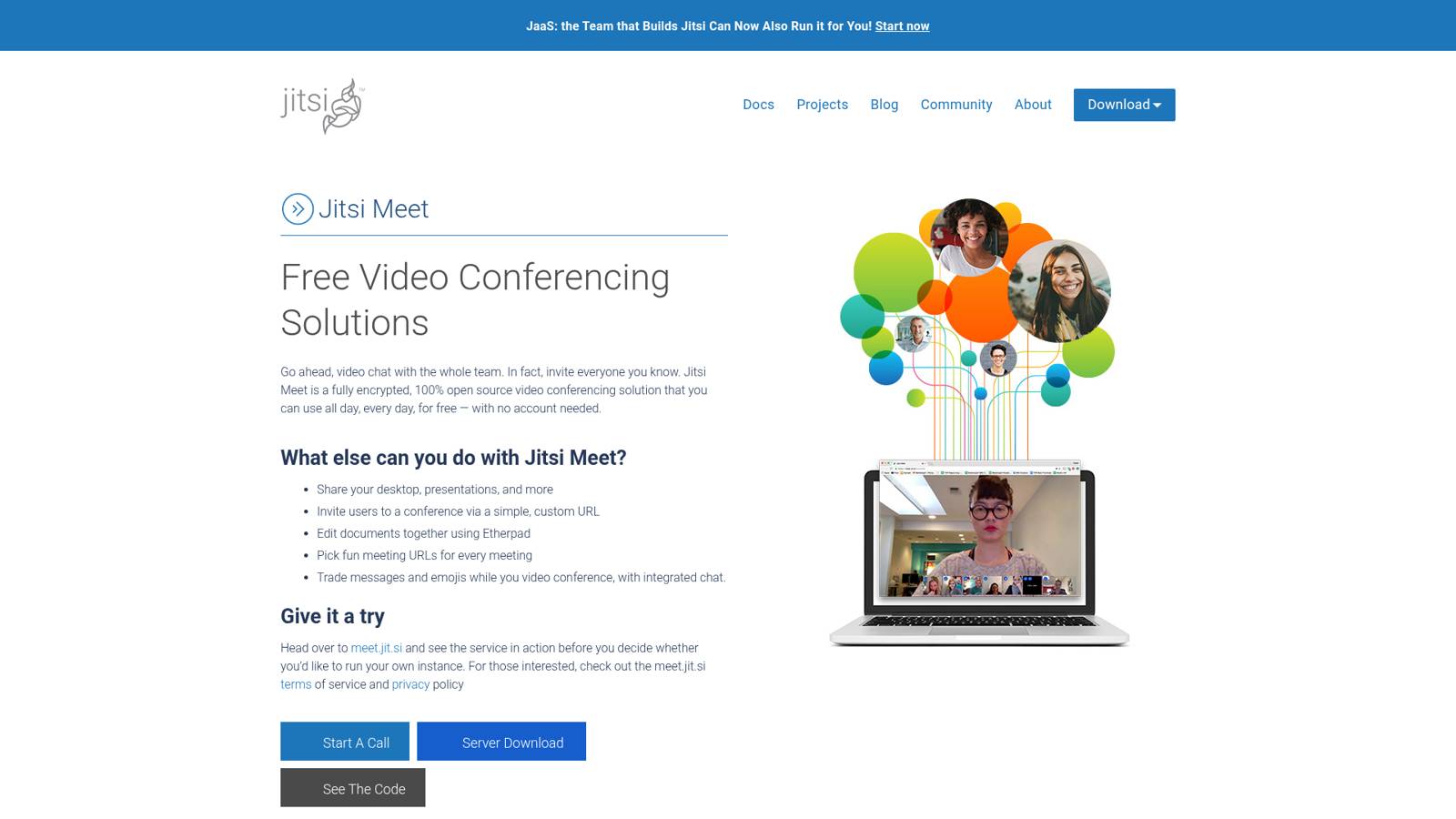
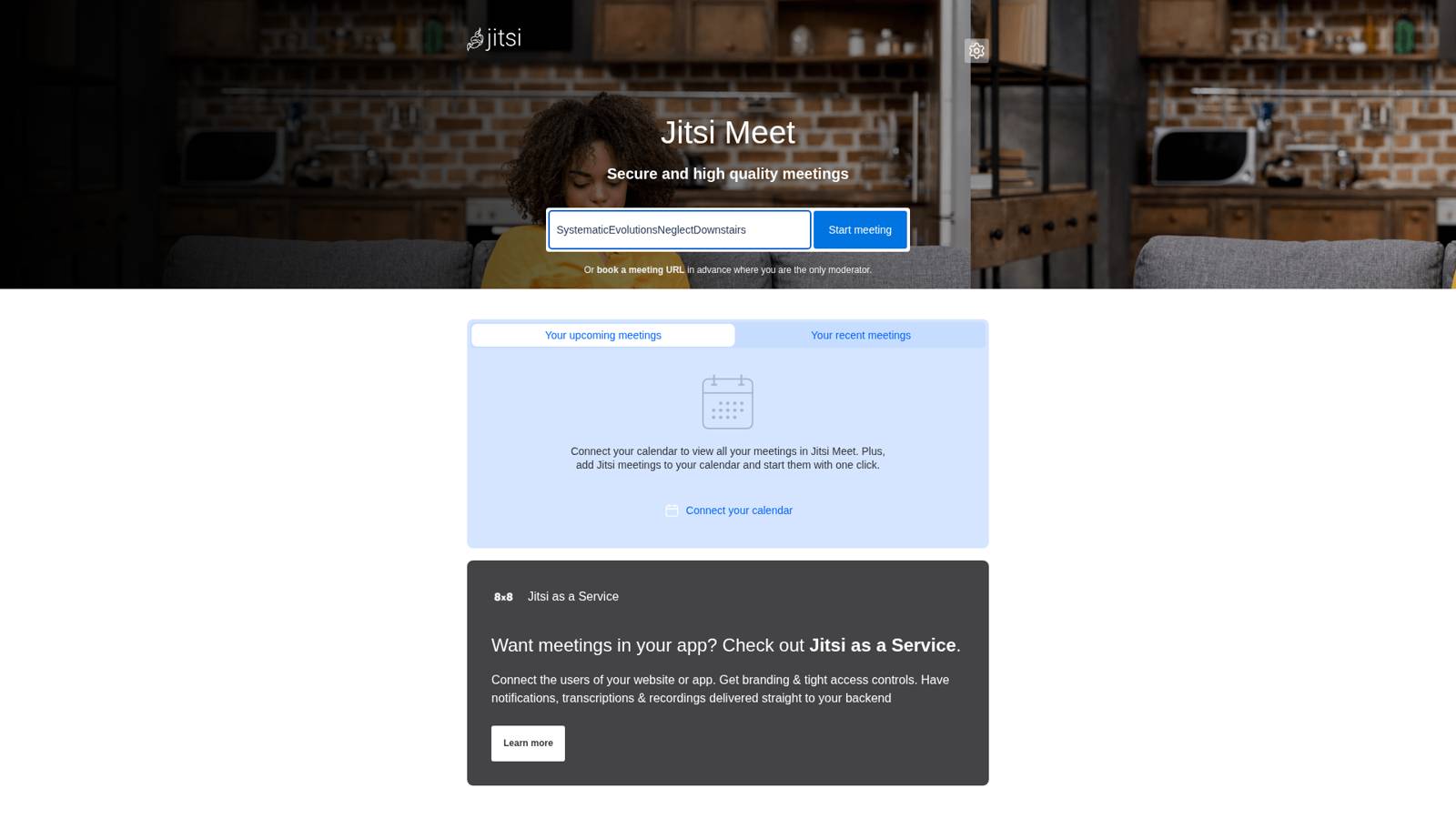
A guest does not need an account to join. They click a link. They are in the room. HD video, screen sharing, chat, a raise-hand, polls. It is a meeting. It is not a webinar product.
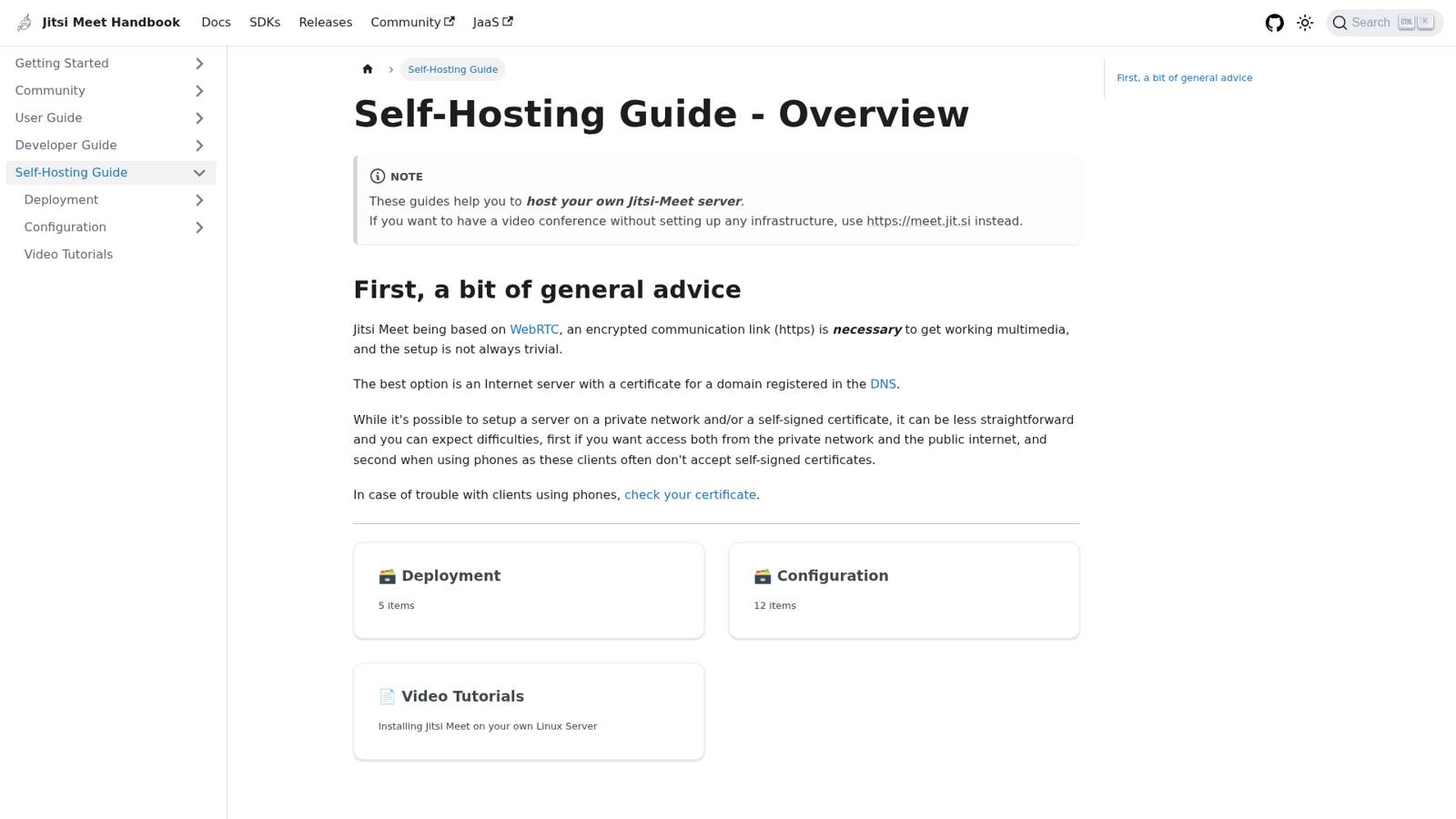
meet.jit.si is a public instance. Anyone can try it. It is not your server. Room names on a public server can be guessable. The click-a-link magic is the demo. The product you can stake a company on is the instance you host.
Here is what Jitsi Meet ships:
Worth Noticing:
Self-hosting is the real Zoom replacement. meet.jit.si is a shared public room, not a private stack. Video infrastructure is an ops job — certificates, bandwidth, phones that refuse a bad cert. The Jitsi team also sells a hosted option. Zoom still wins a fifty-person webinar.